An initial lack of success of transportation pilot projects isn't always an indicator of long-term viability in a rapidly shifting transportation landscape, according to this article.


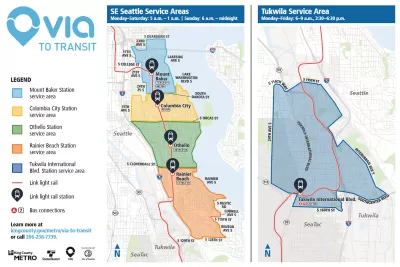
Arielle Fleisher, transportation policy director for SPUR, writes a defense of the pilot project, source of wild ideas.
Unprecedented change in the transportation system, most of it emerging from the private market, has caught the public sector flatfooted. In response, many cities and transit agencies are starting to pilot new kinds of services, testing a variety of ideas for giving people better ways to get around. In a number of cases, the early ridership results from these pilot programs are not strong, which has led many to dismiss the new ideas — and the agencies for trying them.
But this skepticism undermines the intended purpose of pilots: to test and refine the opportunity to extend the transportation system and get people out of their cars. Rather than looking down on pilots, we should embrace experimentation as a chance to learn and to improve transportation outcomes.
With L.A. Metro's on-demand transportation pilot, Via, as an example, Fleisher suggests a few ways pilot projects can be improved to ensure better results, and the transportation solution needed in communities.
Read the full story: Don’t Dismiss Transportation Pilot Projects: We Need More Wild Ideas


Los Angeles to Test Road Closure Through Scenic Griffith Park
After a driver killed a cyclist on Griffith Park Drive in April, the city of Los Angeles is studying safety upgrades on streets in its famous park. The L.A. Times says the changes are part of a growing movement.
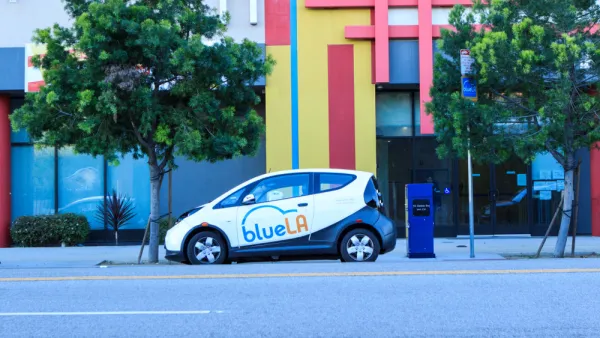
‘Universal Basic Mobility’ Pilot Launches in Los Angeles
A new program will bring electric car sharing, an e-bike library, on-demand shuttles, and other services to South Los Angeles in an effort to give residents more transportation options.
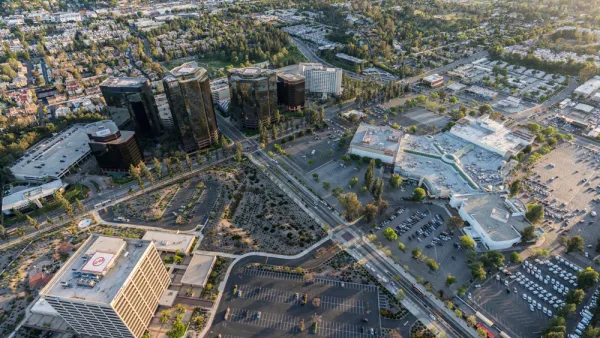
Transportation Tech Innovation Zone Launched in Los Angeles
Urban Movement Labs (UML) is working with the office of Mayor Eric Garcetti to undertake a series of pilot programs to entice private companies to Los Angeles to develop and test innovation transportation technology.

Planetizen Federal Action Tracker
A weekly monitor of how Trump’s orders and actions are impacting planners and planning in America.

Amtrak, CN end decades-long dispute with eight-year agreement
The new operating agreement establishes an updated framework for the companies to work together, including processes to resolve disputes.

Northwest rail fans eager for Sept. 30 debut of Amtrak’s Airo fleet
Get ready for that new train smell and more seats. But they won’t go faster or run more frequently on the Cascades route in Washington and Oregon.

Trump administration unlawfully slashed $7 billion in clean energy grants, judge rules
The Environmental Protection Agency ended the Solar For All program, which provided the grants, after President Donald Trump’s inauguration.

Record-breaking wildlife overpass in Colorado brings 91% reduction in animal collisions
Prior to the overpass, vehicles were hitting one deer per day on Colorado’s Interstate 25.

California lawmakers approve just 5% of much-needed LA28 transportation funding
State legislators appear just as unwilling as Trump to pay for Olympics-related transportation projects.

FREE Course: Walkable City 1: Why Walkability?
After describing his path towards focusing on walkability as the essence of good planning, Jeff Speck marches through his five principal reasons for making more walkable places.
Reinventing Malls: Planning Alchemy—Turning Gray Fields Into Gold
The course focuses on the opportunities and imperatives that shape reinvention of mall sites.

City of Thousand Oaks
City of Wisconsin Rapids
Harvard University Graduate School of Design
The Architects Foundation
University of Cincinnati Online
The Pocatello Development Authority
The Urban Renewal Agency of the City of Pocatello