TriMet, the regional transit agency in the Portland, Oregon area, this week launched a process for creating a new Pedestrian Plan.


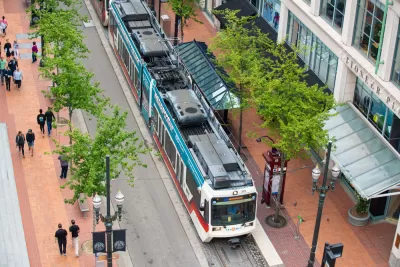
Jonathan Maus reports from Portland about the efforts of the regional transit agency, TriMet, to improve pedestrian safety around bus and train stations.
In fact, "TriMet launched an update to their Pedestrian Plan [on November 5, 2019] and embarked on an update of their 2011 Pedestrian Network Analysis," reports Maus.
"TriMet’s existing Pedestrian Network Analysis identified a host of issues and prioritized 10 dangerous hotspots for transit users," explains Maus. The new Pedestrian Plan will "identify overarching values to create guidelines that help decision-makers prioritize projects," according to statement release by TriMet.
As a first step in the new process, TriMet has published a survey online with questions about pedestrian access to TriMet transit facilities.
FULL STORY: TriMet kicks of ‘Pedestrian Plan’ with aim of safer transit access

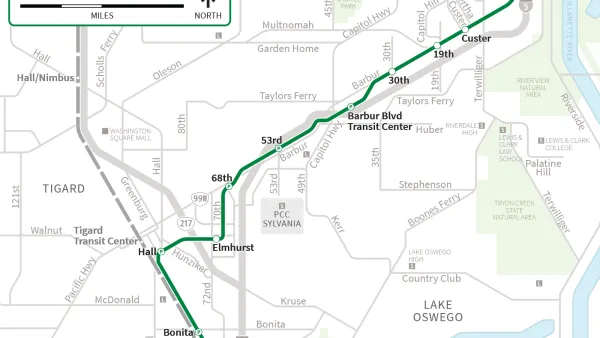
Details on the Portland Region's Proposed $2.7 Billion Light Rail Line
The Southwest Corridor light rail project has a preferred alternative route, but there's still a lot of work to do before the ambitious project can begin construction, much less begin shuttling riders between Portland and Bridgeport Village.

San Diego High-Speed Rail Plan Counts on Future Density
Despite slowing population growth statewide, officials believe the region will "grow into" the new rail system if cities promote dense development around transit stations.
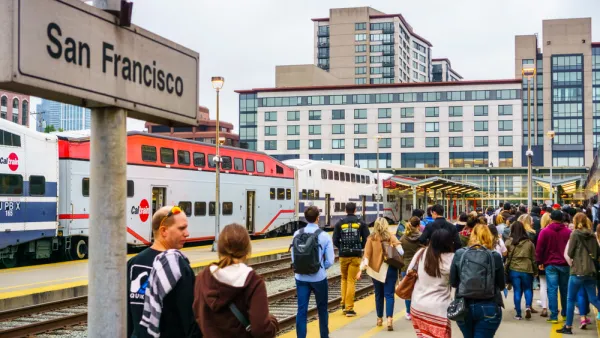
One Rail System to Ring the Bay Area? Supporters See Reasons for Optimism
A plan to integrate the various regional transit providers in the San Francisco Bay Area could be the key to winning back transit riders in the post-pandemic world.

The state-sanctioned urbicide of Austin
People don’t kill cities. Freeways do.

US to reduce Colorado River water deliveries to Mexico
A new Colorado Treaty amendment reduces Mexico’s Colorado River water allocation by 250,000 acre feet.

New Jersey’s second-largest city bans standalone data centers
Jersey City will continue to allow co-location facilities, such as those meant for research institutions that store their own data.

Amtrak not solely to blame for New Jersey commuter rail's unreliability, report finds
A new study from the Garden State Initiative found that NJ Transit’s budget grew 20% across a 4 year period, but reliability declined significantly over the same period.

EPA erases limits on planet-warming pollution from power plants
Under Monday’s plan, power plants would still have some limits on how much mercury, arsenic and other contaminants they can emit.

Phoenix announces new on-demand transit service, more frequent RAPID buses
Both new services will launch in October, and are part of Phoenix's Project Effective Access Solutions for Easing Congestion.

FREE Course: Walkable City 1: Why Walkability?
After describing his path towards focusing on walkability as the essence of good planning, Jeff Speck marches through his five principal reasons for making more walkable places.
Reinventing Malls: Planning Alchemy—Turning Gray Fields Into Gold
The course focuses on the opportunities and imperatives that shape reinvention of mall sites.

Eagle County Government
Harvard University Graduate School of Design
Nashville Planning Department
The Architects Foundation
University of Cincinnati Online
The Pocatello Development Authority
The Urban Renewal Agency of the City of Pocatello
Journal of the American Planning Association