Ascension Parish, Louisiana, located between Baton Rouge and New Orleans along I-10, would look like a typical affluent, growing suburb, if it weren't for the toxic pollution emitted from nearby petrochemical facilities.



Joan Meiners writes on the spread of toxic industries beyond the Black neighborhoods surrounding the Mississippi River: "Louisiana’s love affair with oil and gas, while disproportionately affecting black communities, has hardly spared white communities."
Ascension Parish provides the clearest example.
"According to the U.S. Environmental Protection Agency’s annual Toxics Release Inventory, plants in Ascension Parish emit greater quantities of toxic chemicals from industrial stacks than anywhere else in the country," according to Meiners. "Unlike most industrial parishes, Ascension is among Louisiana’s whitest and most affluent. It’s also the third-fastest growing parish in Louisiana. Families flock here for affordable new housing, low crime rates, a booming business climate and some of the state’s best schools. In all conventional measures, Ascension Parish is thriving."
Ascension Parish is similar to may suburban communities around the country in other ways, according to the article: built by whites fleeing the larger city nearby (Baton Rouge, in this case) in the search for quality schools. In this case, however, they fled right into an environmental and public health risk.
FULL STORY: Poor communities bear the brunt of Louisiana's toxic pollution, but wealthy ones aren’t immune

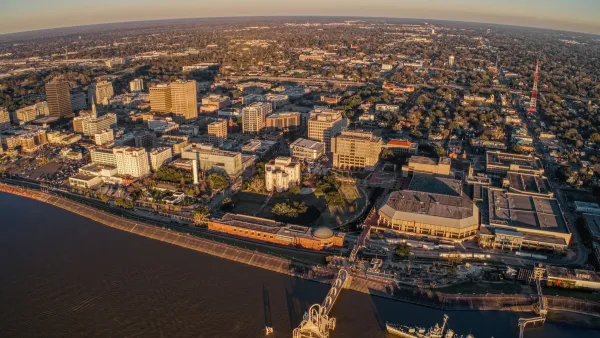
Baton Rouge master plan aims to triple downtown population
The Louisiana capital wants to entice developers to its riverfront district.
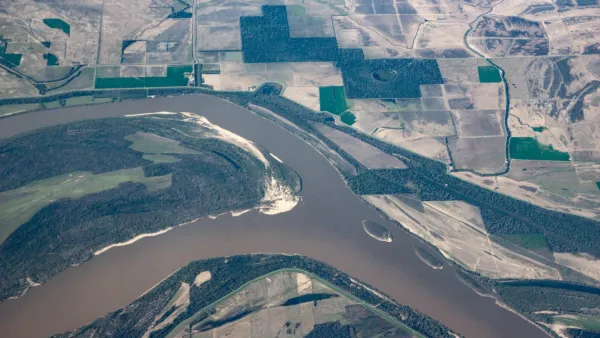
Polluted Chicago Water Travels Over 1,000 Miles and Wreaks Havoc in the Gulf
An algae bloom in the Gulf of Mexico has resulted in an oxygen-starved area the size of Massachusetts. Part of the problem is sewage runoff flowing south from Chicago.
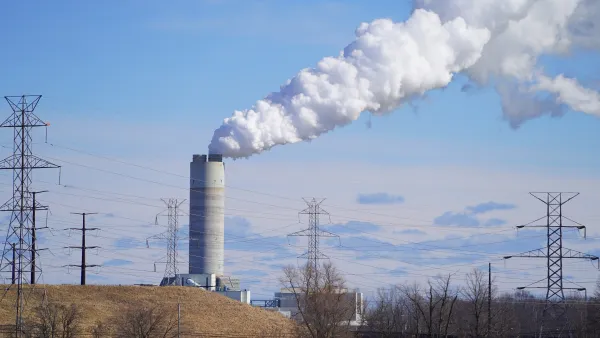
EPA erases limits on planet-warming pollution from power plants
Under Monday’s plan, power plants would still have some limits on how much mercury, arsenic and other contaminants they can emit.

Planetizen Federal Action Tracker
A weekly monitor of how Trump’s orders and actions are impacting planners and planning in America.

The state-sanctioned urbicide of Austin
People don’t kill cities. Freeways do.

US to reduce Colorado River water deliveries to Mexico
A new Colorado Treaty amendment reduces Mexico’s Colorado River water allocation by 250,000 acre feet.

Baltimore to break ground on $50 million Transit Priority Project
The project will bring faster bus trips, safer streets and better bike connections to Baltimore.

Airbnb launches $250 million 'last-dollar financing' housing accelerator, makes first investment in Austin
The company will put $6.4 million towards affordable housing development in Texas’ capital.

Guerilla urbanists are building DIY bus stop benches in Chicago
A before-and-after of one of the bus stops with a new bench. The new benches are not officially sanctioned or permitted, but the residents who placed them hope they will be the start of a network of DIY benches across the city.

FREE Course: Walkable City 1: Why Walkability?
After describing his path towards focusing on walkability as the essence of good planning, Jeff Speck marches through his five principal reasons for making more walkable places.
Reinventing Malls: Planning Alchemy—Turning Gray Fields Into Gold
The course focuses on the opportunities and imperatives that shape reinvention of mall sites.

Eagle County Government
Harvard University Graduate School of Design
Nashville Planning Department
The Architects Foundation
University of Cincinnati Online
The Pocatello Development Authority
The Urban Renewal Agency of the City of Pocatello
Journal of the American Planning Association