An algae bloom in the Gulf of Mexico has resulted in an oxygen-starved area the size of Massachusetts. Part of the problem is sewage runoff flowing south from Chicago.


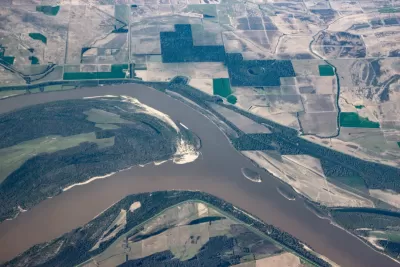
Tony Briscoe reports that a giant algae bloom in the Gulf of Mexico is being fed by agricultural and urban runoff from the Midwest flowing into the Mississippi River. "While the agricultural runoff from farms — exempted under the Clean Water Act — is the main driver of the Gulf dead zone, Chicago’s sewage is the largest single source of phosphorus pollution."
Heavy rains are flushing more nitrogen from fertilizer and phosphorous from sewage into the river, and the resulting dead zone in the Gulf of Mexico is killing off fish and shrimp populations. But dead zones are also a problem in the Great Lakes, with large algae blooms in Lake Michigan and Lake Erie, reports Briscoe.
Environmental groups want to see less water pollution coming out of Chicago, and they are also working to curb agricultural runoff. "In collaboration with the agricultural industry, the [Natural Resources Defense Council] pushed to incentivize the use of cover crops, plants like cereal rye that soak up water and nutrients during the off-season," writes Briscoe.
FULL STORY: There’s a giant dead zone in the Gulf of Mexico — thanks in large part to pollution from Chicago

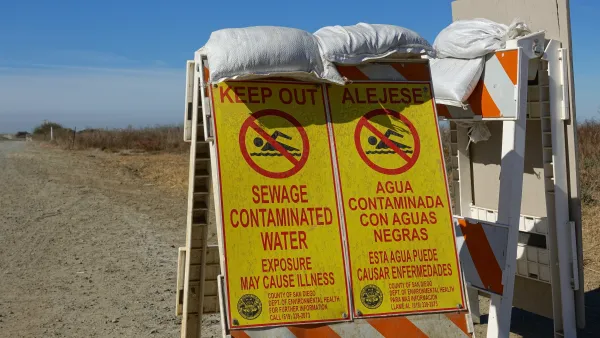
San Diego County to build treatment plant for Tijuana River sewage pollution crisis
The river has carried millions of gallons of untreated sewage into San Diego’s South Bay region.
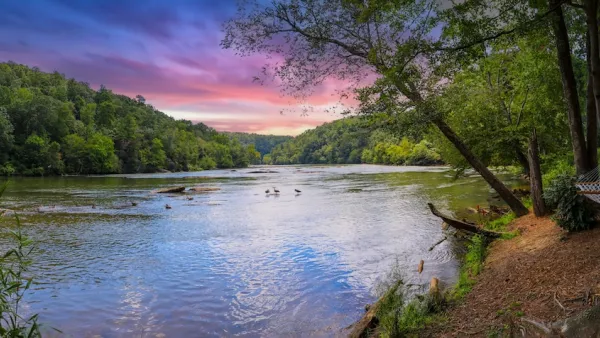
Comment: EPA Cuts will Send Atlanta Back to Eye-burning Ozone, Lung-damaging Smog, and Raw Sewage in the Chattahoochee River
A veteran political journalist takes stock of the hard-earned ground Georgia stands to lose with slashed environmental protection.
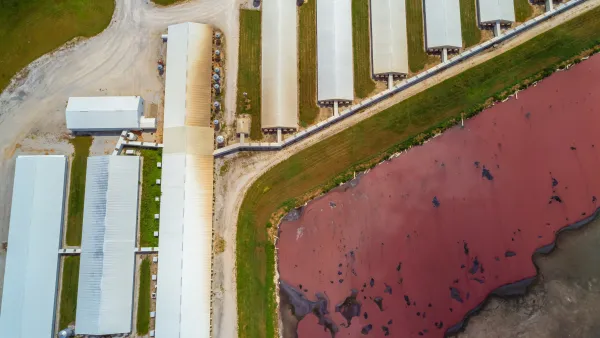
Michigan Court Green-Lights State Regulation of Livestock Manure
A recent court decision has granted Michigan regulators full authority to hold animal agriculture accountable for manure runoff into waterways.

Planetizen Federal Action Tracker
A weekly monitor of how Trump’s orders and actions are impacting planners and planning in America.

The state-sanctioned urbicide of Austin
People don’t kill cities. Freeways do.

US to reduce Colorado River water deliveries to Mexico
A new Colorado Treaty amendment reduces Mexico’s Colorado River water allocation by 250,000 acre feet.

Baltimore to break ground on $50 million Transit Priority Project
The project will bring faster bus trips, safer streets and better bike connections to Baltimore.

Airbnb launches $250 million 'last-dollar financing' housing accelerator, makes first investment in Austin
The company will put $6.4 million towards affordable housing development in Texas’ capital.

Guerilla urbanists are building DIY bus stop benches in Chicago
A before-and-after of one of the bus stops with a new bench. The new benches are not officially sanctioned or permitted, but the residents who placed them hope they will be the start of a network of DIY benches across the city.

FREE Course: Walkable City 1: Why Walkability?
After describing his path towards focusing on walkability as the essence of good planning, Jeff Speck marches through his five principal reasons for making more walkable places.
Reinventing Malls: Planning Alchemy—Turning Gray Fields Into Gold
The course focuses on the opportunities and imperatives that shape reinvention of mall sites.

Eagle County Government
Harvard University Graduate School of Design
Nashville Planning Department
The Architects Foundation
University of Cincinnati Online
The Pocatello Development Authority
The Urban Renewal Agency of the City of Pocatello
Journal of the American Planning Association