Cities like St. Louis, Denver, and Minneapolis have have fewer bus drivers than the transit system requires. The shortages are effecting the quality of service.


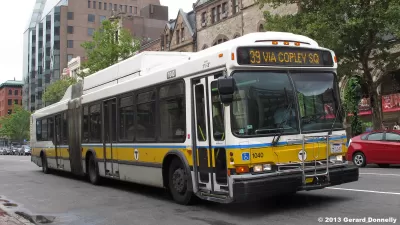
Around the United States, cities are having trouble hiring the bus drivers they need to keep systems running. Last week, St. Louis's bus service was so understaffed, buses couldn't make trips. "MetroLink, which runs St. Louis’s 83 bus routes and 46 miles of light rail, blamed an “unusually high number of operators calling off work” that Monday. Transit union leaders said Metro simply hasn’t hired enough workers to run its system," Aaron Short writes.
Whether the issue was the fault of the agency or its drivers, it's clear that not having enough drivers is a problem in many communities. "Thanks to the labor shortage, bus service has been struggling in Denver, San Francisco, Miami, Omaha, Nebraska, Minneapolis, Toledo, OH, and northern New Jersey, drivers and union leaders told Streetsblog," Short writes. There are 188 unfilled positions for bus and rail in Denver alone.
Many who would drive say they can’t afford to live in the cities they drive for because the rent is too high. The Denver bus service and San Francisco's Muni have both dealt with this issue. "With housing out of their price range, a lot of drivers work six to seven days a week and live 90 minutes to two hours away in places like Sacramento, Modesto, Stockton, and Patterson. Some even drive part-time for ride hail companies to supplement their income," Short writes.
FULL STORY: Driver Shortages Causing Transit Delays Nationwide

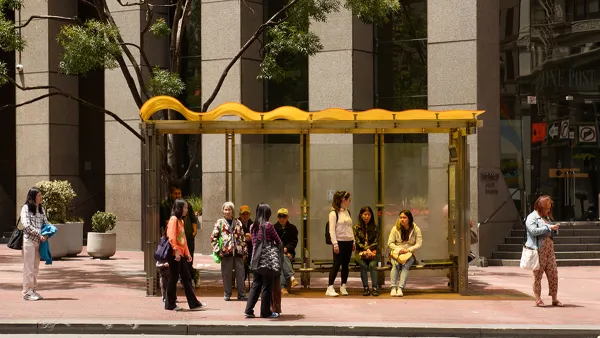
Addressing a Bus Driver Shortage in San Francisco
The ongoing quest to fix Muni enters a new chapter, after a driver shortage impacted bus service earlier this year.
Driver Shortages and Service Reductions: The Crisis in Public Transit Continues
While transit systems around the country had reason to celebrate the new funding made available in the federal infrastructure bill, long-term concerns about operational capacity have not been resolved.

San Francisco Seeks Public Input on Post-Pandemic Muni Service
The SFMTA is considering a "high-access network" that would let people reach more destinations and increase frequency on some Muni lines.

The state-sanctioned urbicide of Austin
People don’t kill cities. Freeways do.

US to reduce Colorado River water deliveries to Mexico
A new Colorado Treaty amendment reduces Mexico’s Colorado River water allocation by 250,000 acre feet.

New Jersey’s second-largest city bans standalone data centers
Jersey City will continue to allow co-location facilities, such as those meant for research institutions that store their own data.

Amtrak not solely to blame for New Jersey commuter rail's unreliability, report finds
A new study from the Garden State Initiative found that NJ Transit’s budget grew 20% across a 4 year period, but reliability declined significantly over the same period.

EPA erases limits on planet-warming pollution from power plants
Under Monday’s plan, power plants would still have some limits on how much mercury, arsenic and other contaminants they can emit.

Phoenix announces new on-demand transit service, more frequent RAPID buses
Both new services will launch in October, and are part of Phoenix's Project Effective Access Solutions for Easing Congestion.

FREE Course: Walkable City 1: Why Walkability?
After describing his path towards focusing on walkability as the essence of good planning, Jeff Speck marches through his five principal reasons for making more walkable places.
Reinventing Malls: Planning Alchemy—Turning Gray Fields Into Gold
The course focuses on the opportunities and imperatives that shape reinvention of mall sites.

Eagle County Government
Harvard University Graduate School of Design
Nashville Planning Department
The Architects Foundation
University of Cincinnati Online
The Pocatello Development Authority
The Urban Renewal Agency of the City of Pocatello
Journal of the American Planning Association