More people are telecommuting in Atlanta, keeping cars of the road, but the percentages of people driving alone to work, taking transit, and walking or biking to work are holding steady.


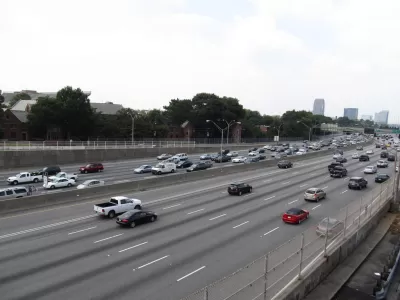
The Atlanta Regional Commission recently published an analysis of commuting patterns in the region, analyzing a decade's worth of Census data and finding very little change in driving alone to work and public transit commutes.
"About three out of four metro Atlanta residents drove alone to work in 2017, unchanged from 2008," according to David Wickert. And "[a]bout 3.5 percent of workers took public transportation to their job – about the same as a decade earlier."
One area experiencing a notable increase was telecommuting. "In 2008, about 5.7 percent of residents worked from home. By 2017, that had jumped to 7.3 percent – or an estimated 208,000 people," according to Wickert.
Paul Donzky also provides detailed coverage of the new study, in an article written for the Atlanta Regional Commission's "What's Next ATL" website.
FULL STORY: Most metro Atlantans still drive alone to work, but more telecommute

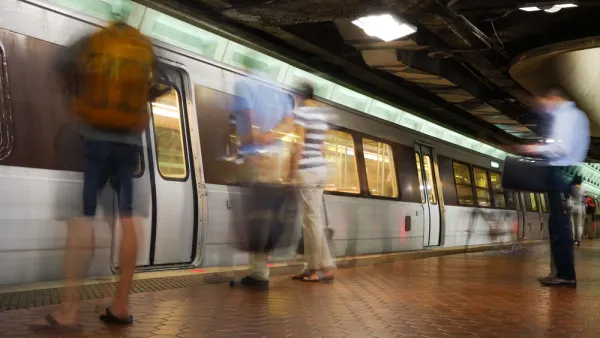
Report: D.C. Area Commuters Driving Alone Less
With all the bad news about plummeting ridership as the D.C. Metro transit system has struggled to deal with maintenance issues, a new report indicates that regional commuters are still driving alone less.
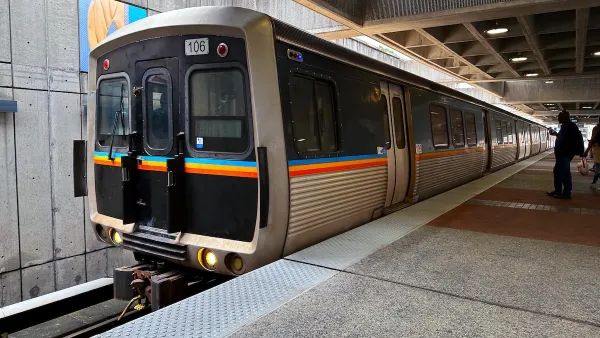
Atlanta City Leaders Call on MARTA to Expand Weekend Service
The city is set to host multiple major sporting events in the next several years, prompting calls for expanded transit service on weekends and to popular areas.
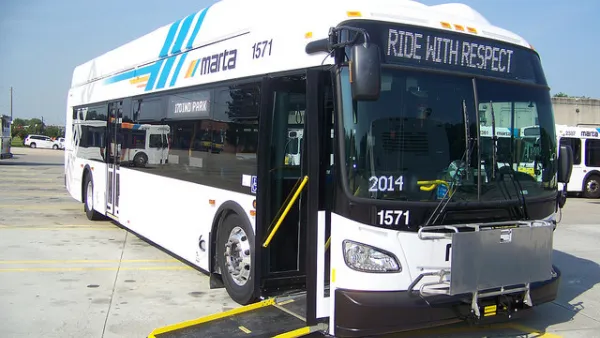
MARTA to Increase Service Frequency, Reduce Routes
Atlanta transit users will likely have to trade higher frequency for fewer routes based on a new plan approved by a planning committee last week.

The state-sanctioned urbicide of Austin
People don’t kill cities. Freeways do.

US to reduce Colorado River water deliveries to Mexico
A new Colorado Treaty amendment reduces Mexico’s Colorado River water allocation by 250,000 acre feet.

New Jersey’s second-largest city bans standalone data centers
Jersey City will continue to allow co-location facilities, such as those meant for research institutions that store their own data.

Amtrak not solely to blame for New Jersey commuter rail's unreliability, report finds
A new study from the Garden State Initiative found that NJ Transit’s budget grew 20% across a 4 year period, but reliability declined significantly over the same period.

EPA erases limits on planet-warming pollution from power plants
Under Monday’s plan, power plants would still have some limits on how much mercury, arsenic and other contaminants they can emit.

Phoenix announces new on-demand transit service, more frequent RAPID buses
Both new services will launch in October, and are part of Phoenix's Project Effective Access Solutions for Easing Congestion.

FREE Course: Walkable City 1: Why Walkability?
After describing his path towards focusing on walkability as the essence of good planning, Jeff Speck marches through his five principal reasons for making more walkable places.
Reinventing Malls: Planning Alchemy—Turning Gray Fields Into Gold
The course focuses on the opportunities and imperatives that shape reinvention of mall sites.

Eagle County Government
Harvard University Graduate School of Design
Nashville Planning Department
The Architects Foundation
University of Cincinnati Online
The Pocatello Development Authority
The Urban Renewal Agency of the City of Pocatello
Journal of the American Planning Association