Rental car companies and cities say companies like Turo and Getaround are not following the regulatory rules that should apply to them.


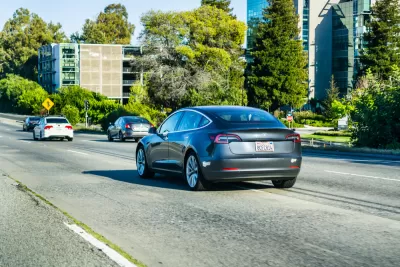
Laura Bliss writes that peer-to-peer carsharing companies are facing pushback from rental car companies and cities. Turo and Getaround are two companies that allow vehicle owners to rent cars directly to other users, and technological developments in recent years have greatly facilitated these transactions. "Cars could be made available in more remote and rural settings, with a range of luxury or special-interest models that might not make sense for traditional car rental companies like Hertz or Avis to rent out themselves," notes Bliss.
Critics argue these companies, and people who use the services to run small-scale car rental operations, are not paying the taxes and fees that states and local municipalities get from traditional rental car companies. Cities are taking legal action, and San Francisco, for example, is suing Turo for ignoring airport fees and regulations, says Bliss:
But Turo’s representatives insist that, much as Uber and Lyft hold that they are not taxi companies (or even transportation companies), they’re not a rental car company. They’re just a "platform," according to Michelle Peacock, Turo’s vice president of government relations. "It’s a different way of doing business."
Bliss adds that the traditional rental car industry continues to thrive even with the growth of carsharing competitors. And the future of peer-to-peer carsharing is very much up in the air, with the regulatory uncertainties hanging over it and new technologies, such as autonomous vehicles, on the horizon.
FULL STORY: The ‘Airbnb of Cars’ Gets Heat From the Rental Car Industry

New USDOT safety strategy highlights enforcement, embraces autonomous cars
The new National Roadway Safety Strategy emphasizes safety technology and enforcement and promises to further crack down on immigrant truck drivers with illicitly obtained licenses.
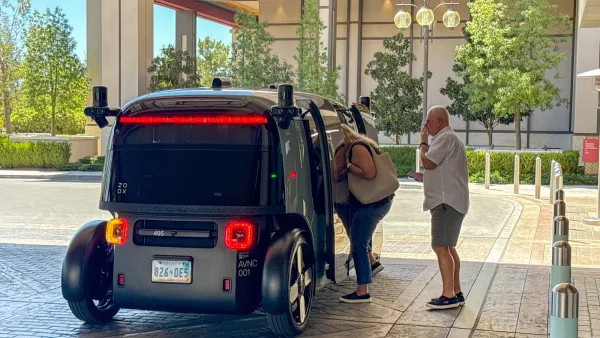
Amazon's Zoox recalls robotaxis after failure to recognize active fire scene
The car did not register the thick smoke as it drove into a fire scene.
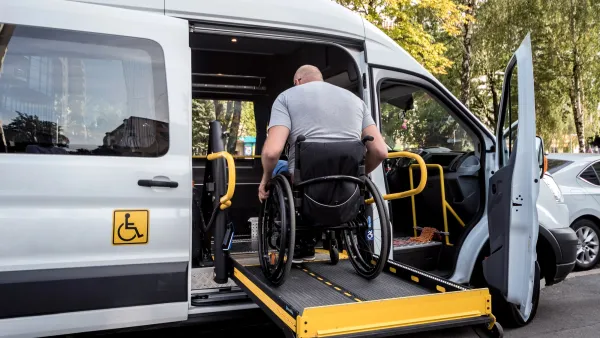
DC's robotaxi bill stays silent on accessibility
A 24-page bill addresses safety, permitting and consumer rights — but fails to mention wheelchairs or accessible vehicles.

Planetizen Federal Action Tracker
A weekly monitor of how Trump’s orders and actions are impacting planners and planning in America.

The state-sanctioned urbicide of Austin
People don’t kill cities. Freeways do.

US to reduce Colorado River water deliveries to Mexico
A new Colorado Treaty amendment reduces Mexico’s Colorado River water allocation by 250,000 acre feet.

Mamdani overhauls NYC's Vision Zero plan with 100 new policy goals
The overhaul aims to reduce traffic deaths and make streets safer for pedestrians, cyclists and drivers through lower speed limits, new safety infrastructure and more.

Amtrak not solely to blame for New Jersey commuter rail's unreliability, report finds
A new study from the Garden State Initiative found that NJ Transit’s budget grew 20% across a 4 year period, but reliability declined significantly over the same period.

EPA erases limits on planet-warming pollution from power plants
Under Monday’s plan, power plants would still have some limits on how much mercury, arsenic and other contaminants they can emit.

FREE Course: Walkable City 1: Why Walkability?
After describing his path towards focusing on walkability as the essence of good planning, Jeff Speck marches through his five principal reasons for making more walkable places.
Reinventing Malls: Planning Alchemy—Turning Gray Fields Into Gold
The course focuses on the opportunities and imperatives that shape reinvention of mall sites.

Eagle County Government
Harvard University Graduate School of Design
Nashville Planning Department
The Architects Foundation
University of Cincinnati Online
The Pocatello Development Authority
The Urban Renewal Agency of the City of Pocatello
Journal of the American Planning Association