It turns out that the United States isn't rapidly becoming a nation of renters after all.


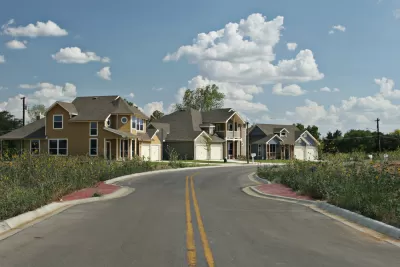
Andrew Van Dam reports: "New data indicate that in 2016, in defiance of myriad prognostications, the decade-long decline in the homeownership rate abruptly reversed. Once-rapid growth in renter households stalled, and the long-stagnant number of owner-led households began rising."
The new data come from the Housing Vacancies and Homeownership survey, via the U.S. Census Bureau.
In specific numbers, "homeownership rates rose from a low of 63 percent in the second quarter of 2016 to 64.6 in the fourth quarter of 2018, adjusted for seasonality," according to Van Dam. "The homeownership rate has regained all the ground it lost since 2014."
After laying out the statistics, Van Dam also digs into possible reasons behind the reversal in homeownership trends, pointing to the millennial generation "finally began to surmount the obstacles that sat between them and homeownership."
FULL STORY: It turns out Americans weren’t ready to become a nation of renters. Homeownership is back in.

A Big Picture of the US Housing Market
A new report highlights the factors driving up housing costs around the country.

Report: Just 17% of Gen Z Americans Own Homes
The number of Gen Z renters grew from 700,000 to 4.4 million in the last five years.
Austin Rents Fall for 19th Straight Month
Thanks to a construction boom, the city is no longer the most expensive housing market in Texas.

Planetizen Federal Action Tracker
A weekly monitor of how Trump’s orders and actions are impacting planners and planning in America.

The state-sanctioned urbicide of Austin
People don’t kill cities. Freeways do.

US to reduce Colorado River water deliveries to Mexico
A new Colorado Treaty amendment reduces Mexico’s Colorado River water allocation by 250,000 acre feet.

Baltimore to break ground on $50 million Transit Priority Project
The project will bring faster bus trips, safer streets and better bike connections to Baltimore.

Airbnb launches $250 million 'last-dollar financing' housing accelerator, makes first investment in Austin
The company will put $6.4 million towards affordable housing development in Texas’ capital.

Guerilla urbanists are building DIY bus stop benches in Chicago
A before-and-after of one of the bus stops with a new bench. The new benches are not officially sanctioned or permitted, but the residents who placed them hope they will be the start of a network of DIY benches across the city.

FREE Course: Walkable City 1: Why Walkability?
After describing his path towards focusing on walkability as the essence of good planning, Jeff Speck marches through his five principal reasons for making more walkable places.
Reinventing Malls: Planning Alchemy—Turning Gray Fields Into Gold
The course focuses on the opportunities and imperatives that shape reinvention of mall sites.

Eagle County Government
Harvard University Graduate School of Design
Nashville Planning Department
The Architects Foundation
University of Cincinnati Online
The Pocatello Development Authority
The Urban Renewal Agency of the City of Pocatello
Journal of the American Planning Association