"It's all about cars and houses," according to the Boston Globe.


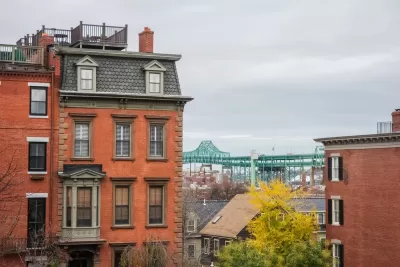
The Boston Green Ribbon Commission released its "Carbon Free Boston" [pdf] report this week, laying out steps to help the entire city achieve carbon neutrality by 2050.
The findings and recommendations of the report will also help shape the city's Climate Action Plan, reports Milton J. Valencia, who also asks readers to imagine the following, carbon neutral future:
Imagine having to drive an electric car, if you drive a vehicle at all. And if you drive into Boston, you’d have to pay a congestion fee.
Every building in the city would be retrofitted for energy efficiency. All fossil-fuel burning appliances would be converted to electric, too. And we would cut down on many items that end up in the trash, like the city did recently with plastic bags.
According to Valencia, the report pushes the city and its residents to do more, beginning now.
An editorial by the Boston Globe follows the news of the new report by framing the discussion around cars and houses. According to the editorial, "the report makes clear that the success or failure of the city’s climate goals will depend on getting drivers into zero-emission cars and slashing pollution from the city’s drafty old housing stock."
The Boston Green Ribbon Commission completed the report in partnership from the Boston University Institute for Sustainable Energy.
FULL STORY: Boston wants to go carbon neutral by 2050. Here’s how that could happen

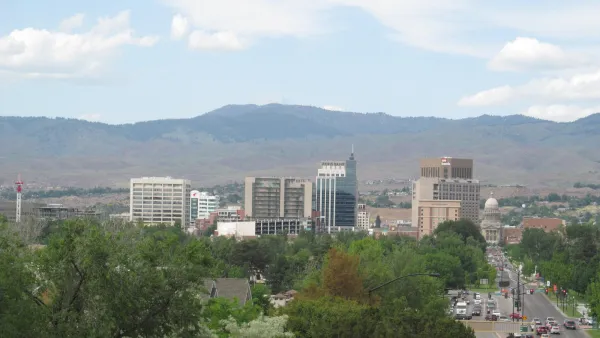
Boise Aims to Go Carbon-Neutral by 2050, Adopts New Climate Plan
City leaders expressed enthusiastic support for the Climate Action Roadmap, a detailed plan for reducing carbon emissions, protecting the environment, and meeting other climate goals.
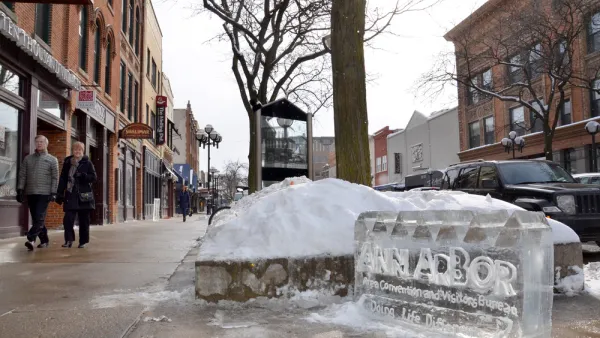
$1 Billion Carbon Neutrality Plan Paused in Ann Arbor
The Ann Arbor City Council wants a more specific consideration of expenses before it will hold a final vote on the A2Zero carbon neutrality plan.
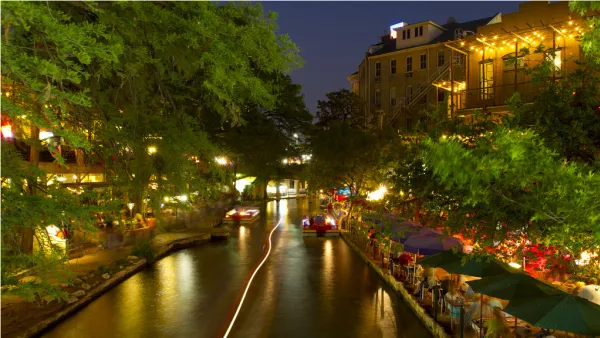
San Antonio's Draft Climate Plan Receives Relatively Warm Reception
The public had its first chance to weigh in on a draft climate plan released in January, sending signals about the political viability of climate change action in the state of Texas.

Planetizen Federal Action Tracker
A weekly monitor of how Trump’s orders and actions are impacting planners and planning in America.

The state-sanctioned urbicide of Austin
People don’t kill cities. Freeways do.

US to reduce Colorado River water deliveries to Mexico
A new Colorado Treaty amendment reduces Mexico’s Colorado River water allocation by 250,000 acre feet.

5 New England states march closer to 800 megawatt wind energy project
Securing federal approval for the project may be complicated under the Trump administration, which has historically been hostile towards domestic wind power.

Baltimore to break ground on $50 million Transit Priority Project
The project will bring faster bus trips, safer streets and better bike connections to Baltimore.

Airbnb launches $250 million 'last-dollar financing' housing accelerator, makes first investment in Austin
The company will put $6.4 million towards affordable housing development in Texas’ capital.

FREE Course: Walkable City 1: Why Walkability?
After describing his path towards focusing on walkability as the essence of good planning, Jeff Speck marches through his five principal reasons for making more walkable places.
Reinventing Malls: Planning Alchemy—Turning Gray Fields Into Gold
The course focuses on the opportunities and imperatives that shape reinvention of mall sites.

Eagle County Government
Harvard University Graduate School of Design
Nashville Planning Department
The Architects Foundation
University of Cincinnati Online
The Pocatello Development Authority
The Urban Renewal Agency of the City of Pocatello
Journal of the American Planning Association