Labor costs vary greatly throughout the country, but wages are rising in the construction industry, especially in cities like San Francisco, New York, and Los Angeles.


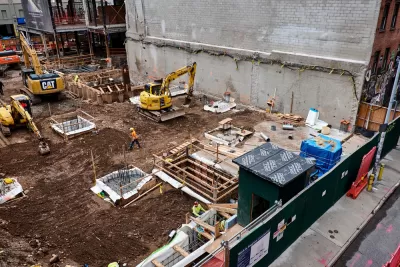
Construction costs are up in the United States, and labor is a big part of the reason why. "Construction costs have jumped 23.6 percent since 2004, according to 'What’s Up With Construction Costs?' a new report by BuildZoom economist Issi Romem," Patrick Sisson reports for Curbed. Why are labor costs up? In the cities with the biggest wage gains, unions are a factor. Also, the type of construction done impacts the overall cost of labor. Markets with the highest labor costs, like San Francisco, demand a lot of renovation, which can be more time-consuming then new construction.
Market forces may reverse the trend of rising labor costs. "Training more workers to meet the labor shortage in the building trades is a useful, but long-term, solution. Others see technology as a potential savior; numerous startups and new prefab companies have raised money to develop more efficient construction methods," Sisson reports. Still, many of the forces pushing up labor costs are unlikely to disappear anytime soon.
Read the full story: Rising labor costs send the price of house construction skyward

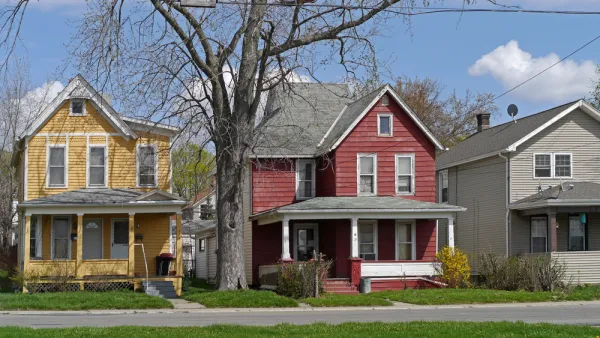
Opinion: New Construction Is Safer, Better for the Environment
The emotional attachment to old homes can obscure the benefits of new buildings, which consume less energy and provide more amenities for residents.
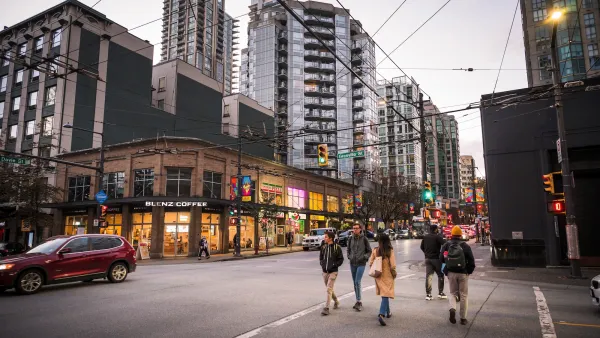
To upzone or not to upzone? Two views on the housing crisis
Allowing more density can increase the housing supply, but does the attendant rise in land prices cancel out the benefits?
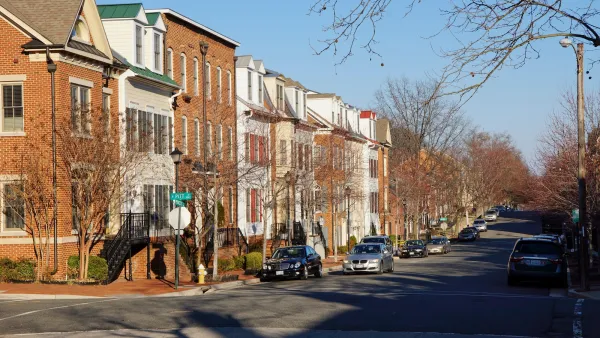
Alexandria eviction diversion program will let tenants pay back rent in installments
Eligible tenants will be allowed to make a 10% down payment on the back rent they owe and pay off the rest in installments while remaining in their home.

Planetizen Federal Action Tracker
A weekly monitor of how Trump’s orders and actions are impacting planners and planning in America.

California plans to bury El Niño’s downpour
If the state plays its cards right, it may be able to store a billion acre-feet of El Niño’s water in aquifers.

Desperate measures: Advocates weigh draining Lake Powell to fill Colorado River
Draining the reservoir could reduce evaporation losses by a couple hundred thousand acre-feet.

40 years after approval, Chicago breaks ground on new park
The park honors Jean Baptiste Point du Sable, the city’s first permanent non-native settler.

‘Hoodwinked:’ New Mexico bill aimed at microgrids paves way for data center development
In an interview with High Country News, Padilla said the legislation “ignited” New Mexico's economy.

California’s ‘unrecognizable’ water plan may go down the drain
After four years of regulatory processes, water agencies say the plan to overhaul how cities and farms take water from the Sacramento-San Joaquin Delta has changed dramatically.

FREE Course: Walkable City 1: Why Walkability?
After describing his path towards focusing on walkability as the essence of good planning, Jeff Speck marches through his five principal reasons for making more walkable places.
Reinventing Malls: Planning Alchemy—Turning Gray Fields Into Gold
The course focuses on the opportunities and imperatives that shape reinvention of mall sites.

City of Rosemead
Rutgers University, Edward J. Bloustein School of Planning and Public Policy
One Hundred Miles
Hunter College, City University of New York (CUNY)
The Architects Foundation
University of Cincinnati Online
City of Cambridge
Montrose County
The Pocatello Development Authority