A pair of researchers argues that expanding rental assistance programs for low-income households is the most effective way to alleviate the housing crisis.


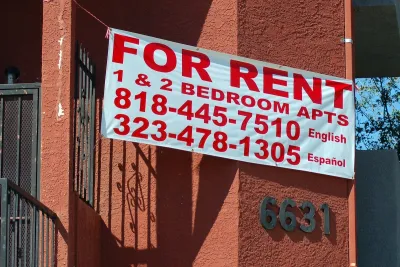
In a piece for The Conversation, Alex Schwartz and Kirk McClure outline the potential benefits of universal rental assistance, arguing that high housing costs are not always related to the housing supply.
According to the authors, “Even a massive infusion of new housing would not shrink housing costs enough to solve the crisis, as rents would likely remain out of reach for many households.”
For the authors, the most effective solution is expanding housing subsidies. “Renters with low incomes are especially unlikely to afford their housing: 81% of renters making less than $30,000 spent more than 30% of their income on housing, and 60% spent more than 50%.”
Rather than an overall housing shortage, the authors say their research reveals a lack of affordable units for low-income households and a difficulty in accessing assistance. “Only about 25% of eligiblge households receive rental assistance from the federal government.”
“By expanding rental assistance to all eligible low-income households, the government could make huge headway in solving the rental affordability crisis.” Giving renters cash assistance would eliminate the challenges posed by the Section 8 voucher program and make it easier for qualifying households to afford housing, save money in homelessness services, and make it easier to finance new affordable housing.
FULL STORY: What if universal rental assistance were implemented to deal with the housing crisis?

Trump Administration Could Effectively End Housing Voucher Program
Federal officials are eyeing major cuts to the Section 8 program that helps millions of low-income households pay rent.

Affordable Housing: A Primer
A guide to affordable housing definitions and federal housing assistance programs.

Arlington to Open Housing Voucher Waiting List
Despite a high need in the area, it’s been more than a decade since the Virginia city last opened applications for housing vouchers.

Planetizen Federal Action Tracker
A weekly monitor of how Trump’s orders and actions are impacting planners and planning in America.

The state-sanctioned urbicide of Austin
People don’t kill cities. Freeways do.

US to reduce Colorado River water deliveries to Mexico
A new Colorado Treaty amendment reduces Mexico’s Colorado River water allocation by 250,000 acre feet.

5 New England states march closer to 800 megawatt wind energy project
Securing federal approval for the project may be complicated under the Trump administration, which has historically been hostile towards domestic wind power.

Baltimore to break ground on $50 million Transit Priority Project
The project will bring faster bus trips, safer streets and better bike connections to Baltimore.

Airbnb launches $250 million 'last-dollar financing' housing accelerator, makes first investment in Austin
The company will put $6.4 million towards affordable housing development in Texas’ capital.

FREE Course: Walkable City 1: Why Walkability?
After describing his path towards focusing on walkability as the essence of good planning, Jeff Speck marches through his five principal reasons for making more walkable places.
Reinventing Malls: Planning Alchemy—Turning Gray Fields Into Gold
The course focuses on the opportunities and imperatives that shape reinvention of mall sites.

Eagle County Government
Harvard University Graduate School of Design
Nashville Planning Department
The Architects Foundation
University of Cincinnati Online
The Pocatello Development Authority
The Urban Renewal Agency of the City of Pocatello
Journal of the American Planning Association