To create a tool for people better understand their cities and communities, Quartz mapped life expectancy in cities down to the census tract levels.


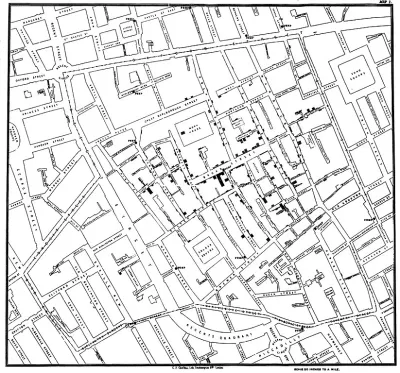
There’s a great deal of information packed into life expectancy. "Life expectancy reflects a neighborhood’s safety, the quality of its health care, its environment, and the wealth and mental health of the people who live there," Dan Kopf and Daniel Wolfe write for Quartz.
While life expectancy is down in the United States overall, the story varies greatly from one neighborhood to the next. For example, the surge in drug overdoses in the United States is by no means evenly distributed across the country, and there’s a lot of detail that can be pulled out when one gets down to the census tract level.
Still, even with visibility down to the neighborhood level, some nuance is concealed, one person may not be as similar to their neighbor as addresses might suggest and because there’s a lot reflected in the data, there’s plenty of room for interpretation.
Read the full story: Map: What story does your neighborhood’s life expectancy tell

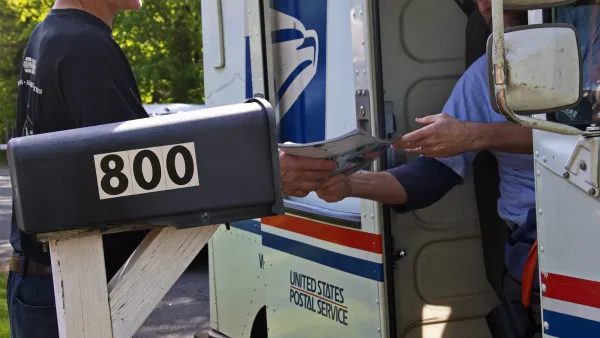
US Census Starts Using Postal Workers as Census Takers
A test program is using postal carriers to administer Census questionnaires.
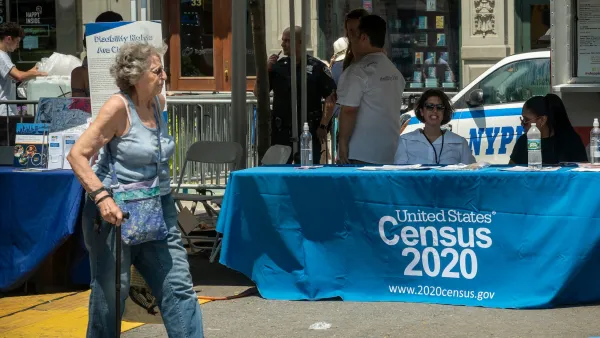
Two Lawsuits Aim to Strip Immigrants, Privacy Protections From US Census
The two cases could have major impacts on how Americans are counted in the next census.
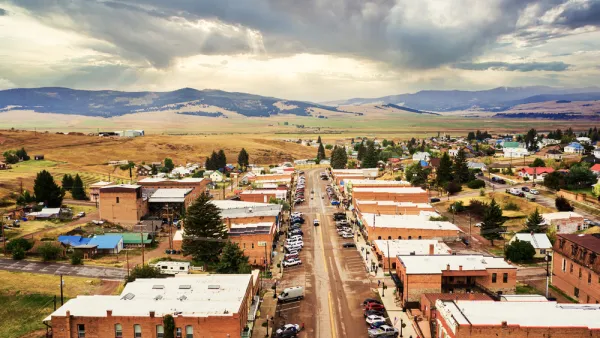
Study: Urban US Residents Have Higher Life Expectancy Than Rural Americans
A combination of economic and social factors leads to higher rates of disease and reduced access to healthcare for many rural residents.

Planetizen Federal Action Tracker
A weekly monitor of how Trump’s orders and actions are impacting planners and planning in America.

California plans to bury El Niño’s downpour
If the state plays its cards right, it may be able to store a billion acre-feet of El Niño’s water in aquifers.

Desperate measures: Advocates weigh draining Lake Powell to fill Colorado River
Draining the reservoir could reduce evaporation losses by a couple hundred thousand acre-feet.

How a Chicago-sized wind farm beat the odds and powered on
The project spanned five presidential administrations and a standoff with a U.S. military base.

MTA gives itself 30 days to transform pit into basketball court
The site has been under construction since 2022; the city originally estimated it would finish the court in 2024.

Non-stop party: Chicago voters weigh permanent festival grounds
A stable place for bleachers, stages and drainage may streamline the setup and teardown of large events.

FREE Course: Walkable City 1: Why Walkability?
After describing his path towards focusing on walkability as the essence of good planning, Jeff Speck marches through his five principal reasons for making more walkable places.
Reinventing Malls: Planning Alchemy—Turning Gray Fields Into Gold
The course focuses on the opportunities and imperatives that shape reinvention of mall sites.


City of Rosemead
Rutgers University, Edward J. Bloustein School of Planning and Public Policy
One Hundred Miles
Hunter College, City University of New York (CUNY)
The Architects Foundation
University of Cincinnati Online
City of Cambridge
Montrose County
The Pocatello Development Authority