Stiff penalties for transit fare evasion have come under fire as a tool of discrimination, and cities have taken notice.


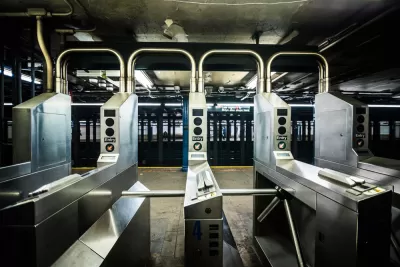
Washington, D.C. is the latest in a growing collection of local governments to decriminalize fare evasion, according to an article by Daniel C. Vock.
Fare enforcement on public transit is often portrayed as a crackdown on criminals. But that's not the way cities approach other, similar infractions, such as drivers who fail to pay tolls, notes Jon Orcutt, a spokesman for Transit Center, a New York-based advocacy group that supports lower penalties for fare evasion. The goal of toll road enforcement is simply to make sure drivers pay, not to arrest them.
Cities like New York, San Francisco, and Portland have taken up the issue. Orcutt predicts the issue will continue to boil up in other cities around the United States.
FULL STORY: Citing Racial Disparities, Cities Rethink Punishment for Transit Fare Evasion

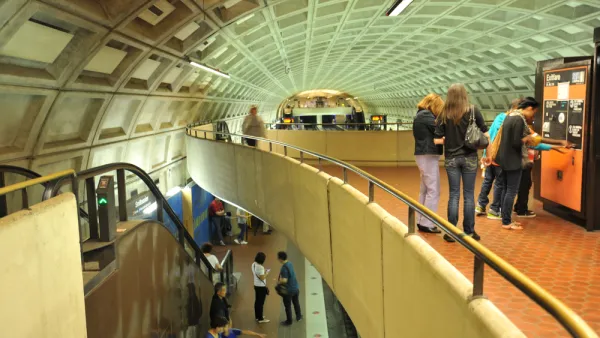
One Step Closer to Decriminalizing Fare Evasion in D.C.
The D.C. Council voted, 11-2, to decriminalize fare evasion on the D.C. Metro transit system. The council will have to vote one more time to confirm the new policy.
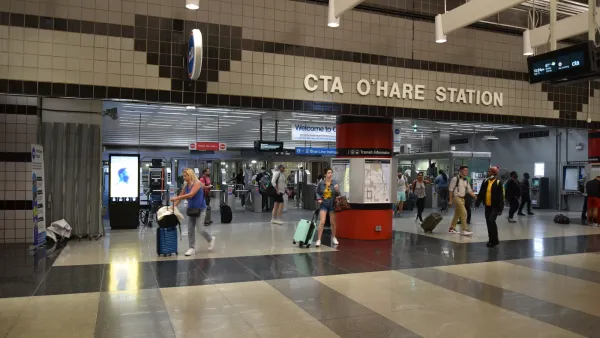
The Vast Majority of Riders Suspended by Chicago Transit Agencies are Black or Latino
The agencies are allowed to ban riders who are accused of violent or threatening behavior.
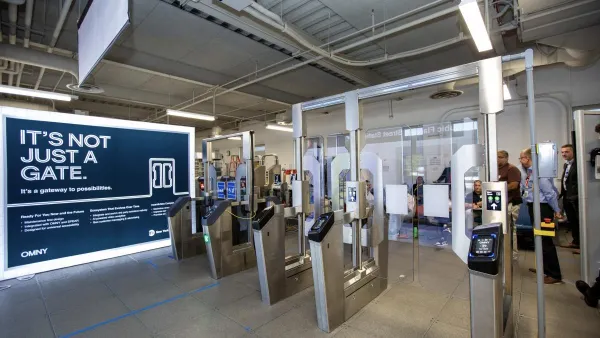
New York MTA Installs ‘Smart’ Fare Gates to Stop Turnstile Hoppers
New fare gates use sensors and higher panels to prevent people from passing without paying, but the tech had a “bumpy rollout” on its first day.

Planetizen Federal Action Tracker
A weekly monitor of how Trump’s orders and actions are impacting planners and planning in America.

The state-sanctioned urbicide of Austin
People don’t kill cities. Freeways do.

US to reduce Colorado River water deliveries to Mexico
A new Colorado Treaty amendment reduces Mexico’s Colorado River water allocation by 250,000 acre feet.

Baltimore to break ground on $50 million Transit Priority Project
The project will bring faster bus trips, safer streets and better bike connections to Baltimore.

Airbnb launches $250 million 'last-dollar financing' housing accelerator, makes first investment in Austin
The company will put $6.4 million towards affordable housing development in Texas’ capital.

Guerilla urbanists are building DIY bus stop benches in Chicago
A before-and-after of one of the bus stops with a new bench. The new benches are not officially sanctioned or permitted, but the residents who placed them hope they will be the start of a network of DIY benches across the city.

FREE Course: Walkable City 1: Why Walkability?
After describing his path towards focusing on walkability as the essence of good planning, Jeff Speck marches through his five principal reasons for making more walkable places.
Reinventing Malls: Planning Alchemy—Turning Gray Fields Into Gold
The course focuses on the opportunities and imperatives that shape reinvention of mall sites.

Eagle County Government
Harvard University Graduate School of Design
Nashville Planning Department
The Architects Foundation
University of Cincinnati Online
The Pocatello Development Authority
The Urban Renewal Agency of the City of Pocatello
Journal of the American Planning Association