Areas of the city historically overburdened with air pollution and brownfield sites will be targeted with local food programs and policies to create and bolster green spaces.


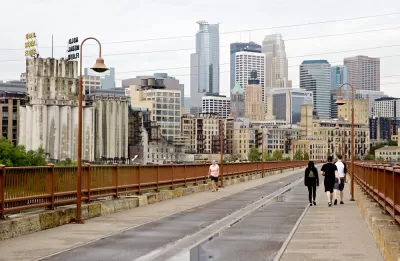
In hopes of helping areas of the city that have suffered from some of the worst pollution, the city of Minneapolis has designated a number of "Green Zones."
"With input from an Environmental Justice Working Group, the Climate Action Plan included the creation of a Minneapolis Green Zones Initiative, identified as areas of the city that have historically been overburdened by environmental conditions such as air pollution, brownfield sites, blight and substandard housing, and face cumulative impacts of social, economic and political vulnerability," Randy Rodgers reports for Sustainable City Networks.
Minneapolis' Sustainability Program Coordinator Kelly Muellman will not just focus on pollution. "Muellman said the Green Zone plan will also focus on job opportunities, particularly in the new green economy, as well as the quality and affordability of housing in the city’s two designated Green Zones," writes Rodgers. The program will include making city-owned lots available for community gardens and offering some funding to local food businesses.
FULL STORY: Minneapolis Invests in 'Green Zones'

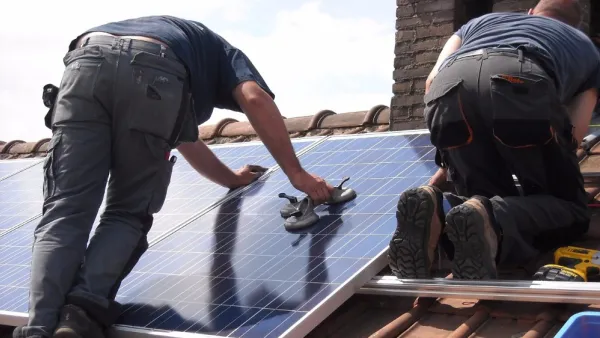
'Green Zones' an Immediate Success in Minneapolis
After years of planning and development, two Green Zones in Minneapolis are attracting desired investments and paving the way for more success.
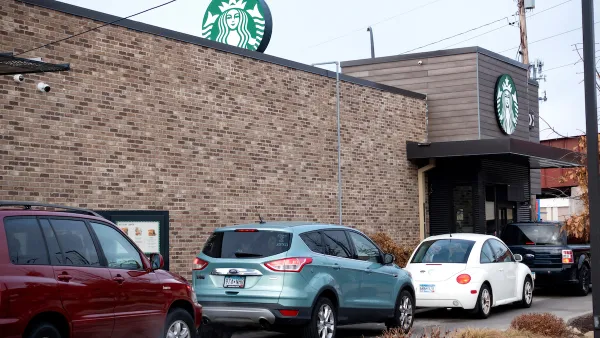
More Cities Ponder the End of Drive-Thrus
Drive-thru fast food restaurants might be a staple of American life, but several U.S. cities are actively considering prohibiting the development of new drive-thrus for the benefit of traffic safety, air quality, and congestion.
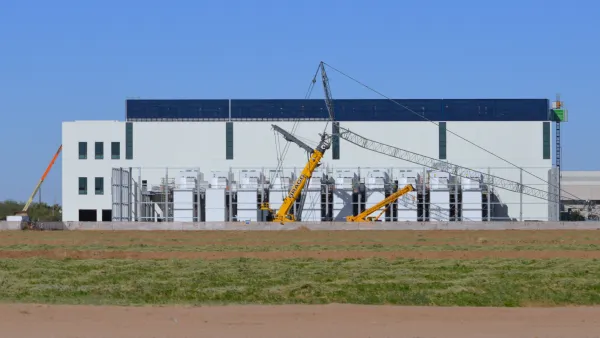
EPA to kill law requiring states to inform the public about new data centers
Over 200 advocacy groups and a dozen states have voiced opposition to this change.

Planetizen Federal Action Tracker
A weekly monitor of how Trump’s orders and actions are impacting planners and planning in America.

The state-sanctioned urbicide of Austin
People don’t kill cities. Freeways do.

US to reduce Colorado River water deliveries to Mexico
A new Colorado Treaty amendment reduces Mexico’s Colorado River water allocation by 250,000 acre feet.

5 New England states march closer to 800 megawatt wind energy project
Securing federal approval for the project may be complicated under the Trump administration, which has historically been hostile towards domestic wind power.

Baltimore to break ground on $50 million Transit Priority Project
The project will bring faster bus trips, safer streets and better bike connections to Baltimore.

Airbnb launches $250 million 'last-dollar financing' housing accelerator, makes first investment in Austin
The company will put $6.4 million towards affordable housing development in Texas’ capital.

FREE Course: Walkable City 1: Why Walkability?
After describing his path towards focusing on walkability as the essence of good planning, Jeff Speck marches through his five principal reasons for making more walkable places.
Reinventing Malls: Planning Alchemy—Turning Gray Fields Into Gold
The course focuses on the opportunities and imperatives that shape reinvention of mall sites.

Eagle County Government
Harvard University Graduate School of Design
Nashville Planning Department
The Architects Foundation
University of Cincinnati Online
The Pocatello Development Authority
The Urban Renewal Agency of the City of Pocatello
Journal of the American Planning Association