Colorado cities located north of Denver consider the future of water as the region grows. New infrastructure and new partnerships will be necessary to meet demand for water in the future.


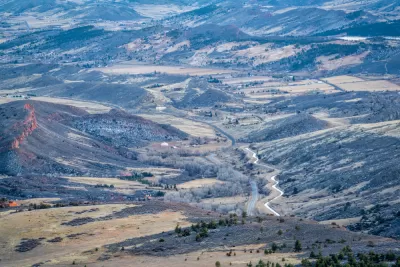
Emily Wenger reports from the town of Windsor, Colorado, which has enough water for its residents now, but knows it will need to pay for more water infrastructure to keep up with a growing population.
"To pay for the projects that would provide that water as well as treat it, Windsor may need to raise rates for its existing customers," according to Wenger. Windsor relies on imported water, bought from cities that are also growing. Among the options for meeting its future water needs is a proposal to build a regional water treatment plant that "would serve Severance, Eaton and the Fort Collins-Loveland Water District," according to Wenger.
The article also focuses on the work of a city at the other end of the system: Greeley, which supplies Windsor with water. Greeley would look for other regional partners if Windsor someday built the necessary facilities to end its imports.
FULL STORY: Water a focus for growing northern Colorado communities

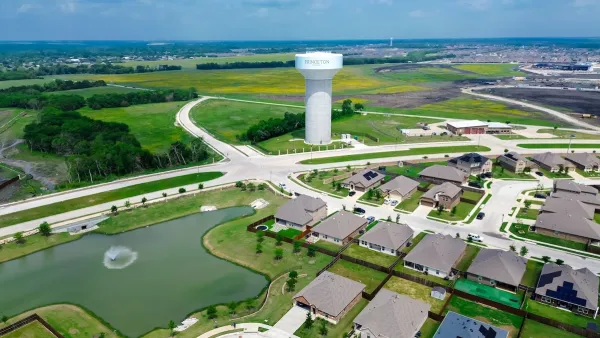
A 'Grim Diagnosis': Houston's Suburbs are Running out of Water
Rapidly growing cities are struggling to build out water infrastructure to meet the needs of new residents.
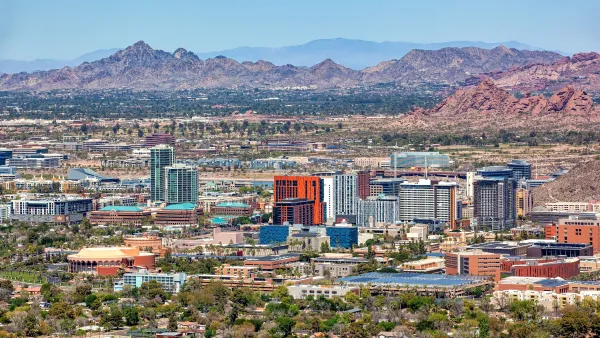
‘Tempe Tomorrow’ Plans for Expected Population Growth
Tempe planners are preparing a General Plan update scheduled for voter approval in March 2024.
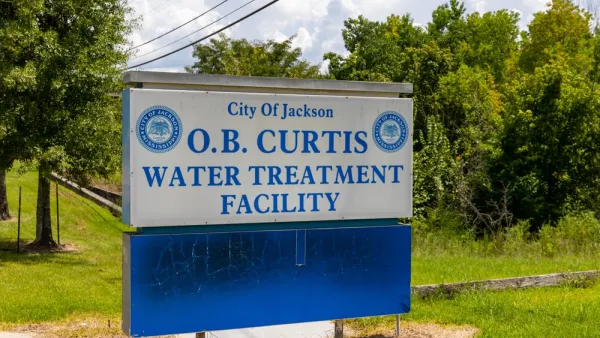
Mississippi Investigated for Civil Rights Violations in Jackson Water Crisis
The NAACP has accused a pair of Mississippi departments of discrimination against Black Mississippians, leading to the loss of drinking water in the state's capital city at the end of the summer.

Planetizen Federal Action Tracker
A weekly monitor of how Trump’s orders and actions are impacting planners and planning in America.

The state-sanctioned urbicide of Austin
People don’t kill cities. Freeways do.

US to reduce Colorado River water deliveries to Mexico
A new Colorado Treaty amendment reduces Mexico’s Colorado River water allocation by 250,000 acre feet.

Colorado’s Largest Data Center Could Rise Next to Homes — Without a Public Hearing
The proposed campus would consume 11 times the power of Denver International Airport; as it has across the country, opposition mounts.

5 New England states march closer to 800 megawatt wind energy project
Securing federal approval for the project may be complicated under the Trump administration, which has historically been hostile towards domestic wind power.

Baltimore to break ground on $50 million Transit Priority Project
The project will bring faster bus trips, safer streets and better bike connections to Baltimore.

FREE Course: Walkable City 1: Why Walkability?
After describing his path towards focusing on walkability as the essence of good planning, Jeff Speck marches through his five principal reasons for making more walkable places.
Reinventing Malls: Planning Alchemy—Turning Gray Fields Into Gold
The course focuses on the opportunities and imperatives that shape reinvention of mall sites.

Eagle County Government
Harvard University Graduate School of Design
Nashville Planning Department
The Architects Foundation
University of Cincinnati Online
The Pocatello Development Authority
The Urban Renewal Agency of the City of Pocatello
Journal of the American Planning Association