The Los Angeles Conservancy turned 40 on March 20. As it marks four decades of preserving historic places throughout L.A. County, the organization considers the next 40 years of preservation in L.A.


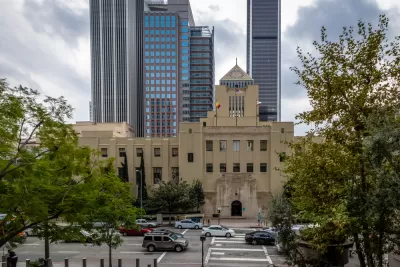
In 1978, a small group of concerned citizens formed the Los Angeles Conservancy to create an organized voice for historic preservation across the region. In the wake of major architectural losses including Bunker Hill, the Richfield Building, and Irving Gill's Dodge House—and fighting the demolition of other landmarks including the iconic Central Library—the fledgling Conservancy set out to change the conversation about historic places and how they contribute to a livable city.
The Conservancy marks its 40th on April 5 with a provocative discussion about the future of preservation in L.A. What will historic preservation in Los Angeles look like over the next 40 years? What’s the Conservancy’s role in addressing critical urban issues like density and housing? Who decides what to save?
In advance of the panel discussion, the Conservancy asked the organization's founding president and current chair for their perspectives on how the Conservancy has evolved and the challenges, and opportunities, ahead.
FULL STORY: Forty Years of Leadership


Where Los Angeles Equals San Francisco's Density
Though the Los Angeles region is very dense, significant barriers to transit-oriented planning remain. Based on this analysis, the lack of a central urban core shouldn't be one of them.
A Vision for LA's New Web-Based Zoning Code
For the first time since 1946, Los Angeles is completely revising its zoning code. Urban Insight, the team behind Planetizen, is pleased to be part of this project. One of our key goals is to create a modern web-based version of the zoning code.
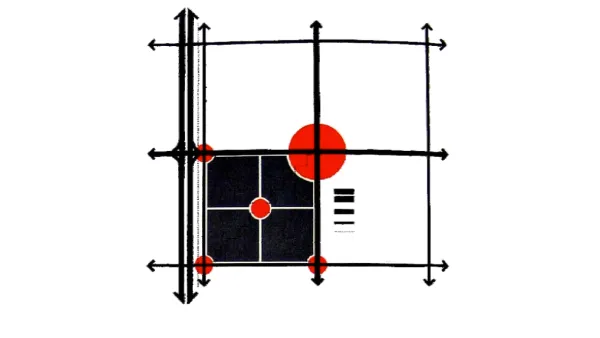
Back To The Future: The 1970 Los Angeles 'Centers' Concept Plan
The 1970 Concept Los Angeles plan is a history lesson for urban planners and a vision of what the city could have looked like.

Planetizen Federal Action Tracker
A weekly monitor of how Trump’s orders and actions are impacting planners and planning in America.

The state-sanctioned urbicide of Austin
People don’t kill cities. Freeways do.

US to reduce Colorado River water deliveries to Mexico
A new Colorado Treaty amendment reduces Mexico’s Colorado River water allocation by 250,000 acre feet.

5 New England states march closer to 800 megawatt wind energy project
Securing federal approval for the project may be complicated under the Trump administration, which has historically been hostile towards domestic wind power.

Baltimore to break ground on $50 million Transit Priority Project
The project will bring faster bus trips, safer streets and better bike connections to Baltimore.

Airbnb launches $250 million 'last-dollar financing' housing accelerator, makes first investment in Austin
The company will put $6.4 million towards affordable housing development in Texas’ capital.

FREE Course: Walkable City 1: Why Walkability?
After describing his path towards focusing on walkability as the essence of good planning, Jeff Speck marches through his five principal reasons for making more walkable places.
Reinventing Malls: Planning Alchemy—Turning Gray Fields Into Gold
The course focuses on the opportunities and imperatives that shape reinvention of mall sites.

Eagle County Government
Harvard University Graduate School of Design
Nashville Planning Department
The Architects Foundation
University of Cincinnati Online
The Pocatello Development Authority
The Urban Renewal Agency of the City of Pocatello
Journal of the American Planning Association