Even progressive Portland wrestles with conservatism when it comes to housing in single-family neighborhoods



Portland, Oregon, long known for progressive planning and development policies, is struggling to balance the need for more housing with long-time single-family homeowners who don't like change. The city's Bureau of Planning and Sustainability is in the process of updating rules for housing in single-family neighborhoods, and is facing some backlash. The Oregonian Editorial Board is cautioning against rules that may have unintended consequences.
They write:
"As progressive as Portlanders like to believe themselves to be, there's no issue like population growth and housing to bring out their inner conservative.
In an attempt to avoid McMansions, one proposed rule would limit the size of new homes to 2,500 square feet. The Oregonian points out that may actually reduce the number of homes built in the city at a time when demand is quite high.
The public had until November 30 to weigh in on their opinions on the Residential Infill Project. However, the proposal is likely months from going to City Council. Thus, the Oregonian concludes:
"It's also the perfect time for Portlanders to reflect on how to square their home-for-everyone beliefs with their not-in-my-neighborhood mentality."
FULL STORY: Where a 'home for everyone' collides with 'not in my neighborhood': Editorial Agenda 2017

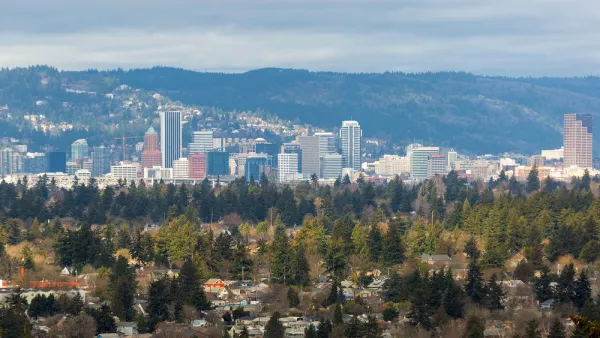
Multi-Family Development in Portland Stalls at a Controversial Crossroads for the City
On the one hand, the city of Portland is facing pressure to add new housing and development to meet the needs of a growing population and an expensive real estate market. On the other hand, change is never easy.
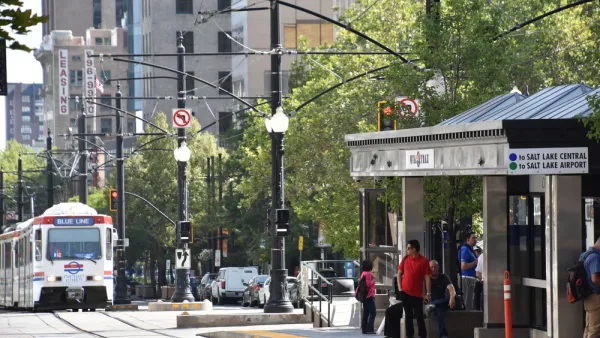
Buslash in Salt Lake City
New bus routes planned for Salt Lake City have provoked a vocal political opposition.

Where Pro-Development Groups Are Gaining Traction
The YIMBY movement seems to be gaining steam as more the country deals with growing housing prices and increasing numbers of people experiencing homelessness. Recent research reveals where pro-development forces are most likely to call home.

Planetizen Federal Action Tracker
A weekly monitor of how Trump’s orders and actions are impacting planners and planning in America.

The state-sanctioned urbicide of Austin
People don’t kill cities. Freeways do.

US to reduce Colorado River water deliveries to Mexico
A new Colorado Treaty amendment reduces Mexico’s Colorado River water allocation by 250,000 acre feet.

Baltimore to break ground on $50 million Transit Priority Project
The project will bring faster bus trips, safer streets and better bike connections to Baltimore.

Airbnb launches $250 million 'last-dollar financing' housing accelerator, makes first investment in Austin
The company will put $6.4 million towards affordable housing development in Texas’ capital.

Guerilla urbanists are building DIY bus stop benches in Chicago
A before-and-after of one of the bus stops with a new bench. The new benches are not officially sanctioned or permitted, but the residents who placed them hope they will be the start of a network of DIY benches across the city.

FREE Course: Walkable City 1: Why Walkability?
After describing his path towards focusing on walkability as the essence of good planning, Jeff Speck marches through his five principal reasons for making more walkable places.
Reinventing Malls: Planning Alchemy—Turning Gray Fields Into Gold
The course focuses on the opportunities and imperatives that shape reinvention of mall sites.

Eagle County Government
Harvard University Graduate School of Design
Nashville Planning Department
The Architects Foundation
University of Cincinnati Online
The Pocatello Development Authority
The Urban Renewal Agency of the City of Pocatello
Journal of the American Planning Association