Fare increases, a new tax, and a system redesign are some of the ideas on the table for Cincinnati's bus system as its operating transit agency struggles to deal with budget shortfalls.



The Southwest Ohio Regional Transit Authority (SORTA) is considering a fare increase for the Metro bus system in Cincinnati, according to an article by Chris Wetterich. SORTA is considering the fare increases in response to the transit authority's ongoing budget problems.
"SORTA’s main source of local funding is a 0.3 percent Cincinnati earnings tax, which a succession of SORTA executives, board members and blue-ribbon committees have found is not financially sustainable for the agency’s long-term future because the current system does not adequately connect people to the places they work," explains Wetterich.
In the midst of a re-election campaign, Mayor John Cranley has proposed a half-cent sales tax that would increase funding for the regional transit system. "Councilwoman Yvette Simpson said before SORTA seeks tax increases, it should study and realign its routes, as Columbus and Houston recently did, to become more efficient and draw more riders," reports Wetterich.
The proposed 15-cent fare increase would also need to be approved by the Cincinnati City Council.
Read the full story: Why Greater Cincinnati bus fares could go up


Transit Improvements Coming to Cincinnati Area After Voters Approve New Sales Tax
Hamilton County, Ohio, home to Cincinnati and the Southwest Ohio Regional Transit Authority, has a new coffer of money to fund public transit improvements.
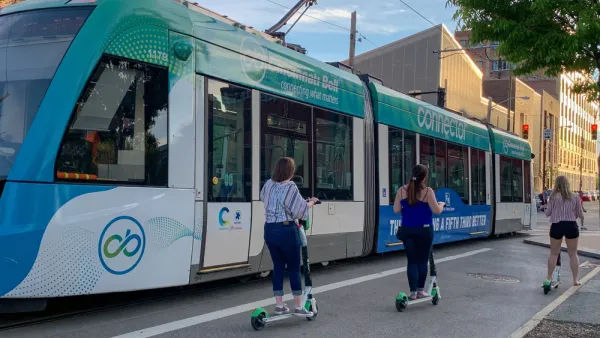
Cincinnati Streetcar Sets Monthly Ridership Record
The Cincinnati Streetcar, now known as the Cincinnati Connector, has come so far.
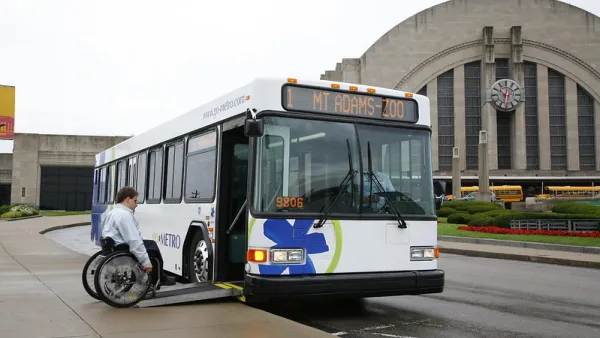
Gas Too Expensive? Cincinnati Metro Has You Covered With Free Rides
Cincinnati residents and visitors will have access to free transit for a week as the agency aims to boost ridership.

Planetizen Federal Action Tracker
A weekly monitor of how Trump’s orders and actions are impacting planners and planning in America.

Data reveals that NYC’s bet on congestion pricing has paid off
After almost two years of the program, reports show positive impacts on traffic and air quality and no disruptions to parking.

HUD modernizes 50-year-old manufactured housing framework
The Next Generation Manufactured Housing Action Plan establishes new energy-efficiency standards for manufactured homes, and new guidelines for anchoring them.

Chicago city vehicles are on the hunt for illegally-parked cars
Cameras on the vehicles can automatically issue tickets to drivers who park their cars in bus or bike lanes.

Small single-family homes are illegal in most of MA. Voters can change that
Most land zoned for single-family housing in Massachusetts requires at least 40,000 square feet of land per house.

Public steps inside U.S.’s first battery-powered train
Metra’s groundbreaking train feature modern seats and a futuristic battery car.

FREE Course: Walkable City 1: Why Walkability?
After describing his path towards focusing on walkability as the essence of good planning, Jeff Speck marches through his five principal reasons for making more walkable places.
Reinventing Malls: Planning Alchemy—Turning Gray Fields Into Gold
The course focuses on the opportunities and imperatives that shape reinvention of mall sites.

One Hundred Miles
County of Mendocino
planning NEXT
The Architects Foundation
University of Cincinnati Online
Montrose County
Northern Illinois Transit Authority (NITA)
The Pocatello Development Authority