A proposal once too controversial to consider is gaining traction at several layers of government.


A plan to bury a 1.4-mile stretch of Interstate 345 that bisects Downtown Dallas is back on the table in City Hall, according to an article by Robert Wilonsky.
Wilonsky notes that it's been awhile since the controversial proposal, detailed in a study published by the Texas Department of Transportation (TxDOT) in July 2016, was a talking point at the city level. But earlier this week, "a council committee tentatively approved looking at the land beneath the 43-year-old overpass — how much it's really worth, what you can really build there if the overpass is erased."
Wilonsky also describes the project that could potentially erase I-345 from the city. The proposal would "[sink] the freeway below grade and [deck] it, maybe with a park but more than likely with mixed-use and commercial developments that would restitch the city center with Deep Ellum and East Dallas.
Wilonsky offers some opinions about the current state of I-345—let's just say he's ready for a change.
Both the city and the state have come a long way on the issue of what to do about the highway, as documented by reporters like Wilonsky and Dallas Morning News Architecture Critic Mark Lamster. Planetizen has also been tracking their work on this proposal over the years.
FULL STORY: Dallas might be ready to bury a downtown highway — and it's about time

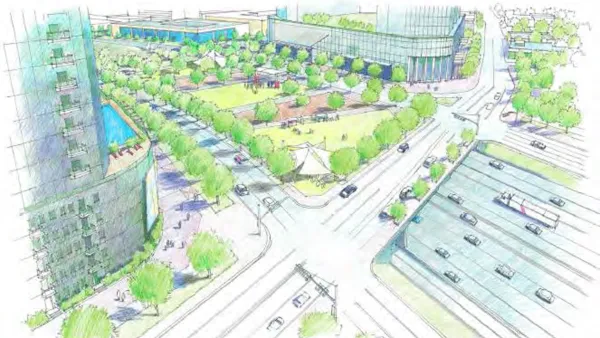
A New Ally in the Fight Against Car-Centric Planning in Dallas: TxDOT
The Texas Department of Transportation (TxDOT) has envisioned a future for Downtown Dallas that includes more downtown and fewer freeways.
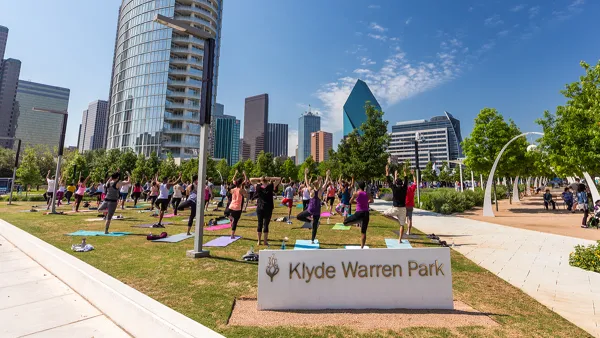
Proposal Would Add Another Deck to Dallas' Klyde Warren Park
The Dallas News reviews a proposal that would extend the reach of one of the most successful public spaces in Dallas.
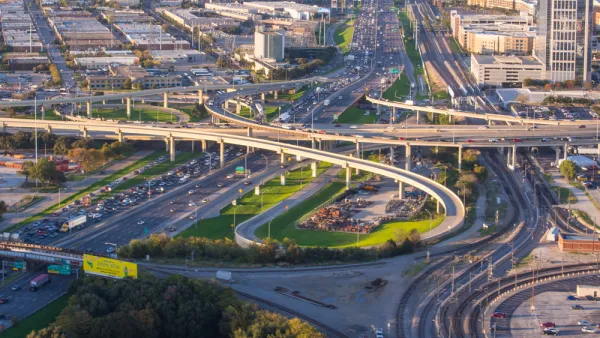
TxDOT Recommends a 10-Lane ‘Infrastructure Grave’ in Dallas
Rather than removing the freeway altogether, which the Texas Department of Transportation calls ‘unfeasible,’ the agency recommends burying the road in a billion-dollar, ten-lane trench through the city’s downtown.

The state-sanctioned urbicide of Austin
People don’t kill cities. Freeways do.

US to reduce Colorado River water deliveries to Mexico
A new Colorado Treaty amendment reduces Mexico’s Colorado River water allocation by 250,000 acre feet.

New Jersey’s second-largest city bans standalone data centers
Jersey City will continue to allow co-location facilities, such as those meant for research institutions that store their own data.

Amtrak not solely to blame for New Jersey commuter rail's unreliability, report finds
A new study from the Garden State Initiative found that NJ Transit’s budget grew 20% across a 4 year period, but reliability declined significantly over the same period.

EPA erases limits on planet-warming pollution from power plants
Under Monday’s plan, power plants would still have some limits on how much mercury, arsenic and other contaminants they can emit.

Phoenix announces new on-demand transit service, more frequent RAPID buses
Both new services will launch in October, and are part of Phoenix's Project Effective Access Solutions for Easing Congestion.

FREE Course: Walkable City 1: Why Walkability?
After describing his path towards focusing on walkability as the essence of good planning, Jeff Speck marches through his five principal reasons for making more walkable places.
Reinventing Malls: Planning Alchemy—Turning Gray Fields Into Gold
The course focuses on the opportunities and imperatives that shape reinvention of mall sites.

Eagle County Government
Harvard University Graduate School of Design
Nashville Planning Department
The Architects Foundation
University of Cincinnati Online
The Pocatello Development Authority
The Urban Renewal Agency of the City of Pocatello
Journal of the American Planning Association