A bill designed to streamline the implementation of 5G Internet infrastructure onto public poles and lights has been vetoed by California Governor Jerry Brown.



California Governor Jerry Brown vetoed a bill that would have implemented statewide mandates for the installation of high-speed "small cell" equipment that will usher in a new era of 5G internet service.
Senate Bill 649 "would have downsized the role played by city and county officials in setting limits on where the equipment for new 5G cellular service would be placed," reports John Myers. "Local governments would have had less power to unilaterally block the installation of the devices, which Brown said in his veto message was a problem."
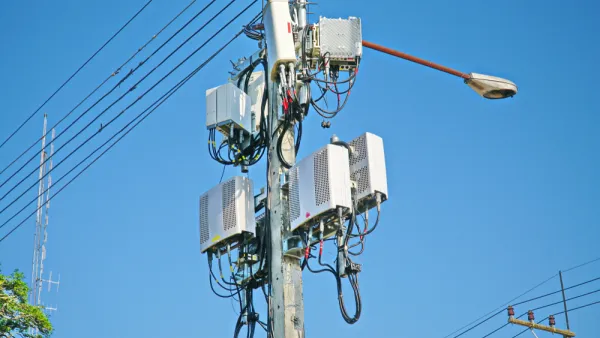
As explained in a July post that picked up on the emerging controversy over 5G infrastructure, small cell networking gear would be placed on public poles and streetlights—potentially creating more clutter and visual blight in the public realm.
Governor Brown's veto of the project effectively sides with local governments on a matter of local vs. state control as this new generation of Internet technology is built into the infrastructure systems of cities and communities in California.
FULL STORY: Gov. Jerry Brown sides with local governments, vetoes state rules for installing 5G cellular equipment

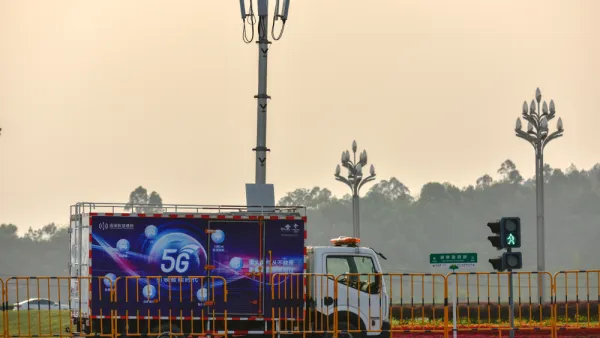
4 Regulatory Complications of 5G Infrastructure Development
The implementation of 5G Internet infrastructure raises fundamental questions about how private companies operate in the public realm. Don't expect easy answers.
Cities Sue Feds Over 5G Rules
Cities want more control over the deployment of 5G technology. The federal government has been working to limit local regulatory powers over new wireless technology.
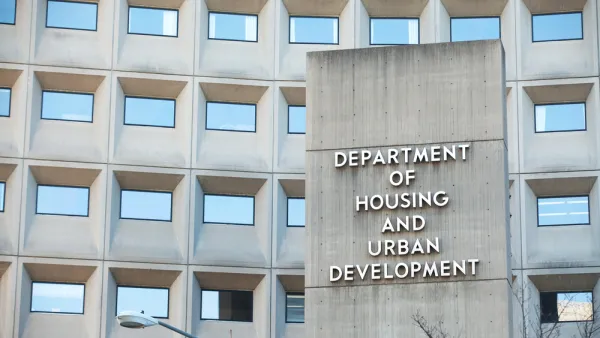
HUD Took a Strong Stance Against Local Control and Hardly Anyone Noticed
Earlier this year, the U.S. Department of Housing and Urban Development devoted an entire issue of a quarterly newsletter to land use regulations and the idea that local laws are strangling the nation's supply of affordable housing.

The state-sanctioned urbicide of Austin
People don’t kill cities. Freeways do.

US to reduce Colorado River water deliveries to Mexico
A new Colorado Treaty amendment reduces Mexico’s Colorado River water allocation by 250,000 acre feet.

New Jersey’s second-largest city bans standalone data centers
Jersey City will continue to allow co-location facilities, such as those meant for research institutions that store their own data.

Amtrak not solely to blame for New Jersey commuter rail's unreliability, report finds
A new study from the Garden State Initiative found that NJ Transit’s budget grew 20% across a 4 year period, but reliability declined significantly over the same period.

EPA erases limits on planet-warming pollution from power plants
Under Monday’s plan, power plants would still have some limits on how much mercury, arsenic and other contaminants they can emit.

Phoenix announces new on-demand transit service, more frequent RAPID buses
Both new services will launch in October, and are part of Phoenix's Project Effective Access Solutions for Easing Congestion.

FREE Course: Walkable City 1: Why Walkability?
After describing his path towards focusing on walkability as the essence of good planning, Jeff Speck marches through his five principal reasons for making more walkable places.
Reinventing Malls: Planning Alchemy—Turning Gray Fields Into Gold
The course focuses on the opportunities and imperatives that shape reinvention of mall sites.

Eagle County Government
Harvard University Graduate School of Design
Nashville Planning Department
The Architects Foundation
University of Cincinnati Online
The Pocatello Development Authority
The Urban Renewal Agency of the City of Pocatello
Journal of the American Planning Association