Fishermen, former loggers, and conservationists are just some of the groups with a stake in whether a mining operation takes root in Washington state.


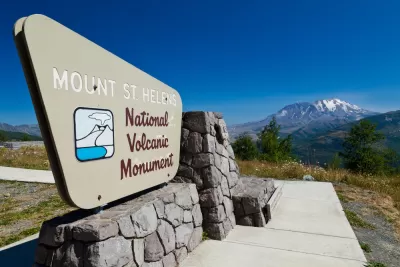
The U.S. Forest Service has permitted exploratory drilling in Washington's Green River Valley, near Mount St. Helens, after Canadian company Ascot Resources proposed drilling over 900 acres to determine whether the area holds enough gold and copper to warrant a full mine.
In an area that has lost employment opportunities from a declining logging industry, the potential mine has support. But the location is also one of the Wilderness Society's 15 places in the U.S. deemed "too wild to drill," and environmentalists say that an open-pit mining operation could pollute drinking water and threaten steelhead. One advocate suggested to Northwest Public Radio that looking to mining for renewed prosperity could also preclude an alternative economic future in outdoor recreation.
Read the full story: Possible Mount St. Helens Mine Sparks Familiar Debate: Economy Or Environment?

Trump Administration Wants to Remove Conservation From Approved 'Uses' of Public Land
The Department of the Interior moved to officially rescind the Public Lands Rule passed in 2024, which elevates the conservation of public lands to the same level of protection as other uses.
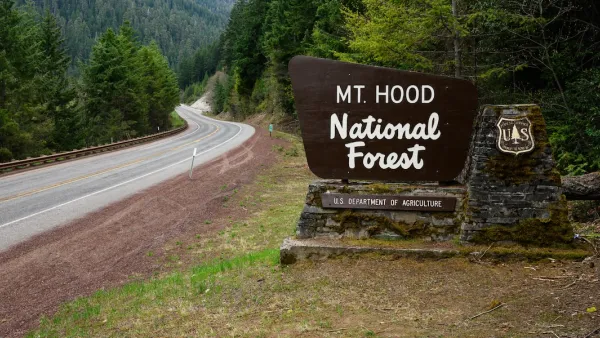
US Forest Service Could Open Millions of Roadless Acres to Logging
The USDA indicated it plans to repeal the ‘Roadless Rule,’ a Clinton-era regulation that prevents new road-building in undeveloped federal forest areas.
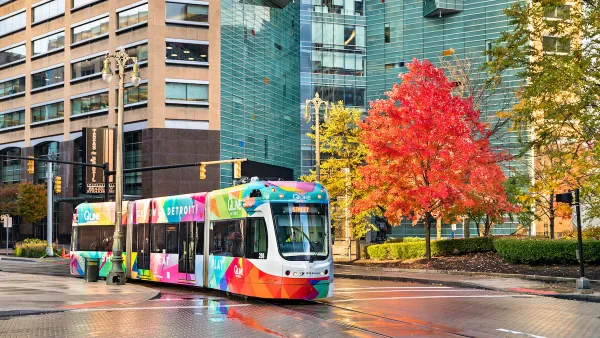
The Link Between Transit Access and Employment
Inadequate access to transportation hinders many Americans’ access to job opportunities.

Planetizen Federal Action Tracker
A weekly monitor of how Trump’s orders and actions are impacting planners and planning in America.

California plans to bury El Niño’s downpour
If the state plays its cards right, it may be able to store a billion acre-feet of El Niño’s water in aquifers.

Desperate measures: Advocates weigh draining Lake Powell to fill Colorado River
Draining the reservoir could reduce evaporation losses by a couple hundred thousand acre-feet.

US buildings threatened, destroyed by fires set to triple by 2060
Researchers found a high fire risk for socioeconomically vulnerable neighborhoods in the American West.

LA residents may be allowed to paint their own crosswalks
Councilwoman Katy Yaroslavsky put out a motion instructing the Los Angeles Department of Public Transportation to study the feasibility of allowing volunteers to paint crosswalks.

Dallas moves to overhaul its zoning code
The city's zoning reform will allow more multi-family and mixed-use developments.

FREE Course: Walkable City 1: Why Walkability?
After describing his path towards focusing on walkability as the essence of good planning, Jeff Speck marches through his five principal reasons for making more walkable places.
Reinventing Malls: Planning Alchemy—Turning Gray Fields Into Gold
The course focuses on the opportunities and imperatives that shape reinvention of mall sites.

City of Rosemead
Rutgers University, Edward J. Bloustein School of Planning and Public Policy
One Hundred Miles
Hunter College, City University of New York (CUNY)
The Architects Foundation
University of Cincinnati Online
City of Cambridge
Montrose County
The Pocatello Development Authority