Land Use
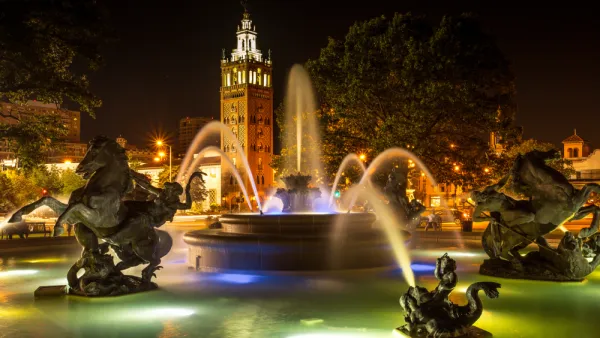
Three Planning Innovations, a Century Later
Three events turning 100 this year have had a long-lasting impact on the shape of American urban design and land use.
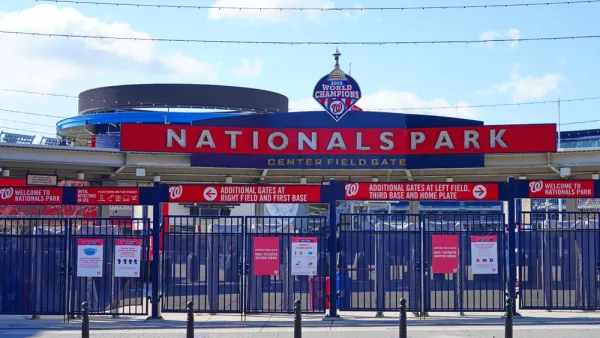
Nationals Park Survives Permitting Scare, Remains Open for Final Games of the Baseball Season
The Washington Nationals, winners of the 2019 World Series, almost needed to find a new home for the final games of the 2022 baseball season after Events D.C. failed to meet the terms of the certificate of occupancy for Nationals Park.

Zoning Controversy Ahead of November Election in Prince George's County, Maryland
The Prince George's County Council is facing a dramatic overhaul in the November election, so current councilmembers are trying to solidify their zoning legacy, while making it harder for future councilmembers to do the same.
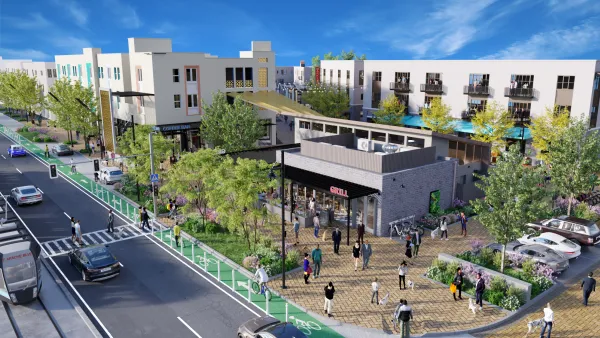
What Is a Variance?
Variances allow for development projects to deviate from the zoning code on a case-by-case basis—if the project developer can prove a unique economic or physical hardship.
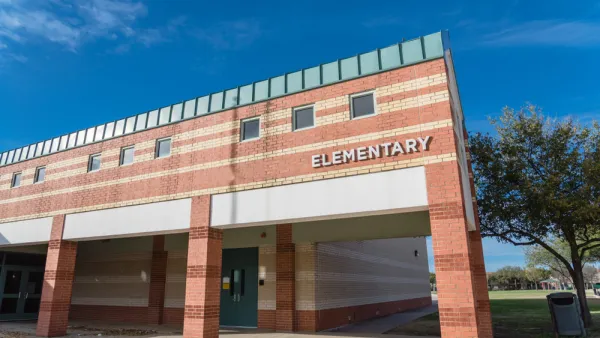
Austin School District Properties Could Host Affordable Housing
The District is weighing early proposals to include housing units for teachers and staff in the redevelopment of a group of six ‘underutilized’ district properties.
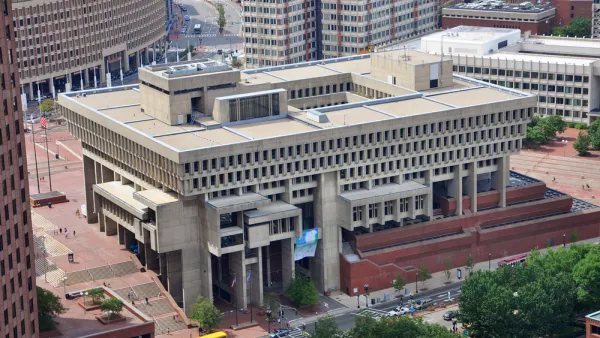
Zoning Board of Appeals Overhaul One Step Toward Approval Process Reform in Boston
Mayor Wu recently overhauled the makeup of Boston’s Zoning Board of Appeals, but bigger changes will be necessary to depoliticize the city’s development approvals process.

Will Snohomish County Light Rail Bypass the Airport?
Some county leaders rejected two proposed routes that would skirt Boeing and Paine Field, citing the area’s high potential for travelers and jobs.

2.7-Million-Square-Foot Astoria Project Approved
The development will include over 2,800 housing units and 2 acres of public open space.
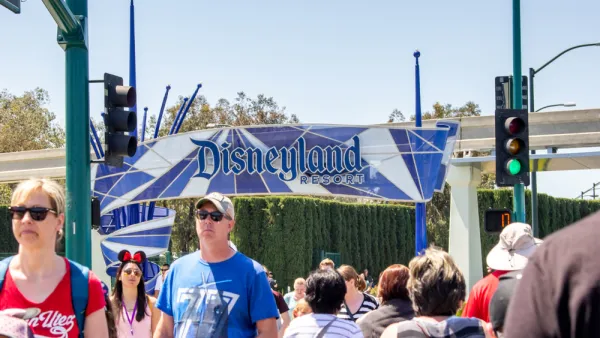
Disneyland Is Too Crowded. Is More Capacity Needed?
Disneyland has a plan to create more supply to meet contemporary demand, a strategy reminiscent of contemporary debates surrounding housing and transportation.
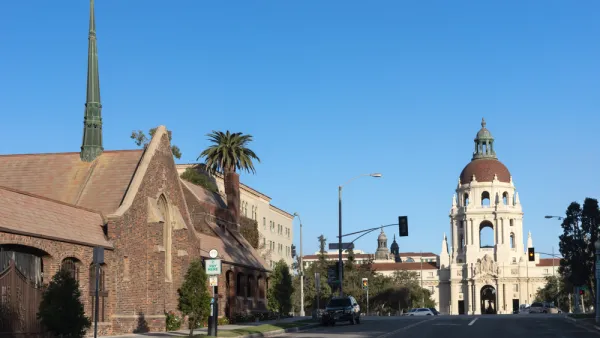
‘Yes in God’s Backyard’ Movement Wins in Pasadena
Houses of worship in the California city will be allowed to build housing on their properties in an effort to alleviate the city’s housing shortage.

$100 Million to Help Fund Buffalo Bayou Expansion in Houston
Originally proposed in 2019, the Buffalo Park East Master Plan, which would extend Buffalo Bayou Park to the East End and Fifth Ward neighborhoods, is suddenly in high gear.
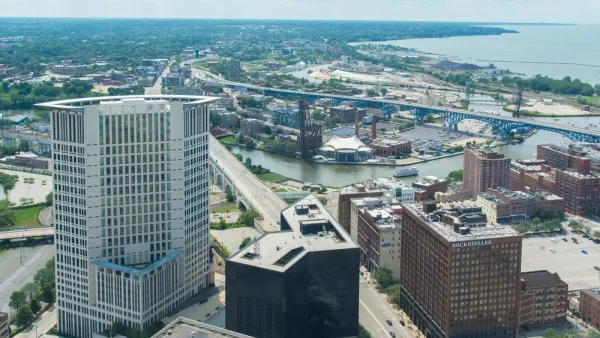
Cleveland Launches New Master Plan to Connect Downtown to Lake Erie
Dual, cooperating studies are underway in Cleveland to reimagine the connections between the city's downtown and lakefront.

Opinion: Support Citizen-Led Public Space Projects
A public space advocate outlines how Philadelphia’s city leaders could support the parklets, plazas, and other public space conversions that proliferated during the pandemic.
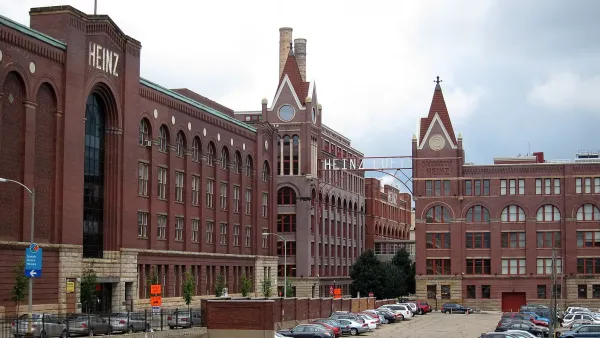
Zoning Changes, Federal Funds Enable Adaptive Reuse Program in Pittsburgh
Funding and zoning changes are likely necessary but insufficient on their own, to borrow a phrase from Nolan Gray. Pittsburgh hopes to deploy both to spur adaptive reuse in the city.
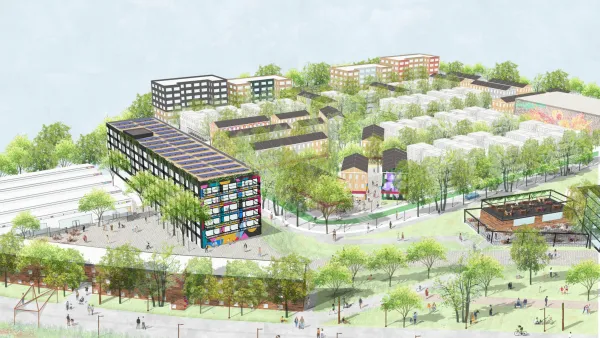
Tempe’s Car-Free Developers Headed to Atlanta
Culdesac, developer of a massive no-parking multi-family development in Arizona, is headed to Georgia.

Opinion: Why Anchorage Should Eliminate Parking Minimums
With an average of eight parking spots per one car, U.S. cities have a glut of parking. How can valuable urban space be used more effectively?

California Continues its Housing Policy Reinvention
It’s no longer business as usual in California when it comes to planning and developing housing.
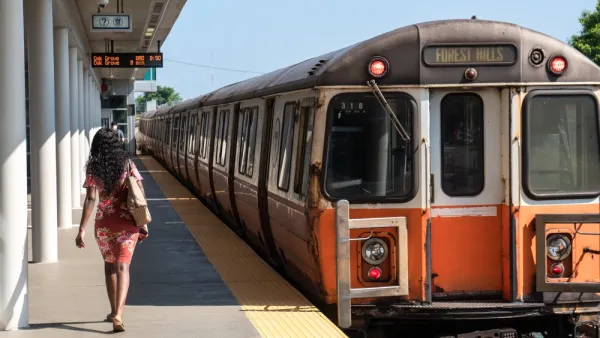
When Transit-Oriented Development Is Missing the ‘Transit’
Cities, residents, and developers have a renewed interest in building more housing near transit stations—when they actually provide safe, reliable transit.

Revamped Curb Management Strategies Among Pandemic Changes Likely to Stick in Cities
With so many more people working from home, ordering delivery, and moving around the public realm in new ways, advanced curb management strategies are among the pandemic-era innovations likely to stick long into the future.
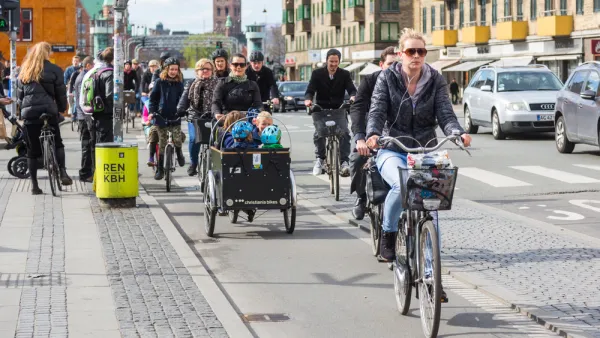
The Inflation Reduction Act's 'Inadequate' Reliance on Electric Vehicles
Electric vehicles can help reduce greenhouse gas emissions, but not enough to prevent the worst of climate change and not as much as walkable cities with far fewer cars on the road.

FREE Course: Walkable City 1: Why Walkability?
After describing his path towards focusing on walkability as the essence of good planning, Jeff Speck marches through his five principal reasons for making more walkable places.
Reinventing Malls: Planning Alchemy—Turning Gray Fields Into Gold
The course focuses on the opportunities and imperatives that shape reinvention of mall sites.

One Hundred Miles
County of Mendocino
planning NEXT
The Architects Foundation
University of Cincinnati Online
Montrose County
Northern Illinois Transit Authority (NITA)
The Pocatello Development Authority









