Land Use
#TransitTrends Asks: 'Where Did City Planning Go Wrong?'
The transportation planning app moovel (formerly known as Ridescout) has created a YouTube series called Transit Trends that brings "explainer posts" to a new format.
Visualizing Hyperdensity
The most dense neighborhood in Manhattan is surprisingly low-key.
Reports See Continued Job Growth, Demand for Tech Office Space
A recent spate of reports has examined the up-and-down U.S. economy and predicted the need for more office space to fuel the growing workforce.
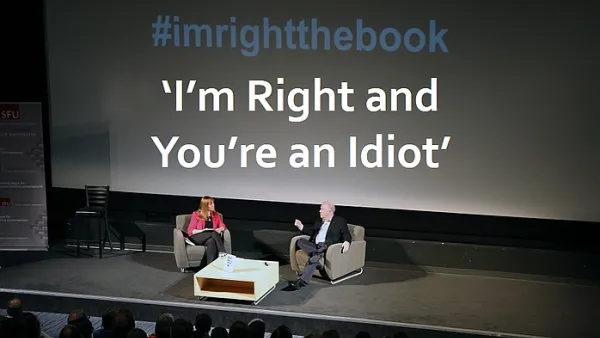
The Toxic State of Public Discourse and How to Clean It Up
Dave Biggs interviews author James Hoggan about his new book, "I'm Right and You're An Idiot: The Toxic State of Public Discourse and How to Clean It Up."
Urban Taxidermy: When Authenticity and Artificiality Collide
A new breed of preservation has sprung up in Toronto, where existing structures are partially preserved to give new building's old facades. But is this attempt to preserve the existing streetscape actually succeeding?
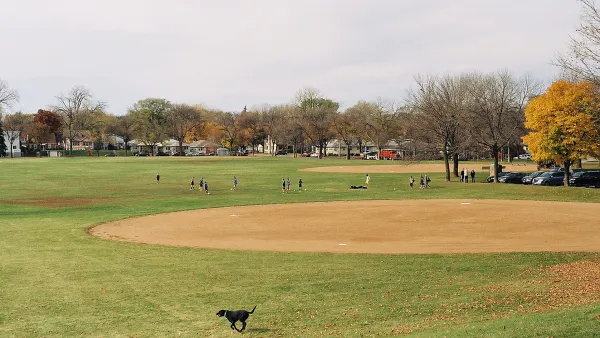
Changing Tastes Push Minneapolis' Parks From Baseball to Soccer
In a move to address changing preferences, some Minneapolis' parks are slowly eliminating baseball diamonds and tennis courts in favor of adaptable fields and multi-purpose courts.
Alleys as a Community Asset
Often overlooked, alleys can be transformed into valuable community spaces

Should We Stay or Should We Go? Low-Lying Coastal Towns Debate Choices
Two U.S. coastal communities are debating the merits of staying or leaving due to effects from climate change and rising sea levels
Bike Parking: The Good, the Bad, and the Ugly
have you ever found bike parking hidden behind a dumpster?
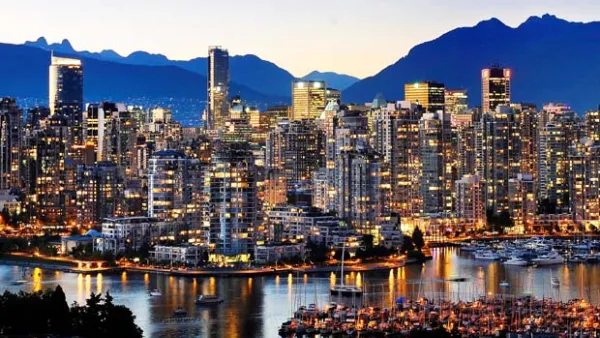
Op-Ed: Upzonings Hurting Affordability More Than Helping in Vancouver
Zoning for new housing supply isn't the answer to Vancouver's housing affordability crisis, according to an editorial in the Vancouver Sun. In fact, it might only be making the problem worse.
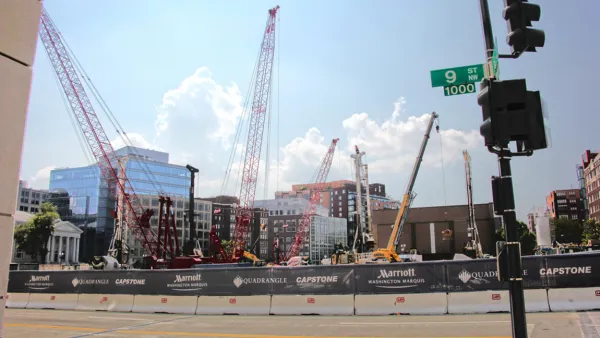
Review of D.C.'s 2005 Comprehensive Plan: Trying to Be All Things to All People
A look back at Washington, D.C.'s most recent Comprehensive Plan reveals lessons for how the city should plan for the future next time it undertakes a comprehensive planning process.
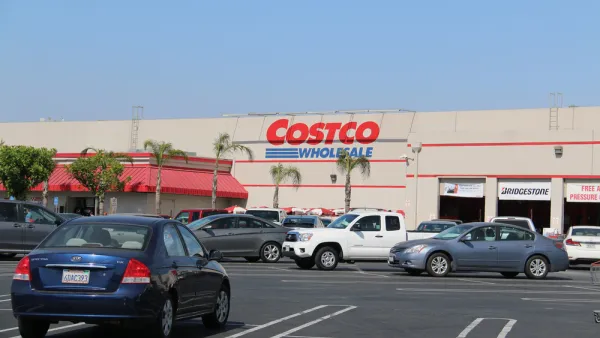
Bay Area Activists Mobilize to Ban Big-Box Stores
The latest front line of the battle to prevent the spread of big-box stores is the city of Pleasanton, California.

Bloomington Allows Artisanal Production in Retail Zones
Craft beer aficionados take note. Bloomington, Illinois now allows businesses selling artisanal products to manufacture their goods on-site. The ruling blurs a distinction between industrial and commercial zoning.
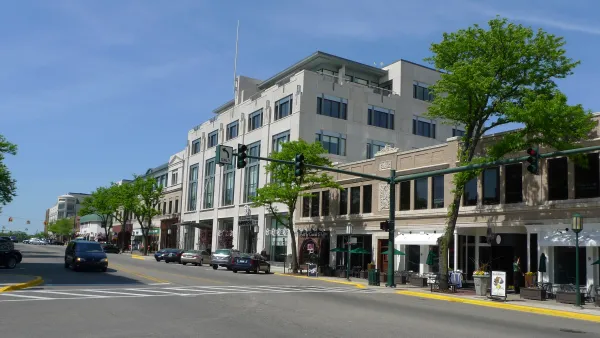
20th Anniversary of the Birmingham Master Plan: City Planners Created an Industry Standard
It has been 20 years since the city of Birmingham, Michigan approved the Birmingham 2016 Master Plan. Robert J. Gibbs, one of the planners on a team that included Andrés Duany, describes the decisions and process that contributed to the plan.

Google, LinkedIn Complete 'Blockbuster' Land Swap
Big development news for two of the biggest names in the Silicon Valley.
Anaheim—Home to Disneyland—Bans All Short-Term Rentals
Reports about the decision by the Anaheim City Council to ban all short-term rentals, through companies like Airbnb or VRBO, described it as a victory for homeowners.
Zoning Amendment Allows Changes to Privately-Owned Public Spaces in Manhattan
Privately-owned public spaces on Walter Street in Manhattan could get a little more private and a little less public under terms of a new zoning amendment approved by the City Council.

Yards Getting Smaller as Homes Get Bigger
Americans have shown a clear preference for larger homes—even at the expense of the coveted backyard.
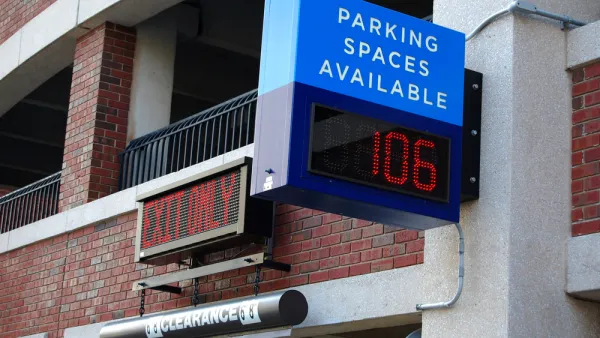
Playing 'Telephone' with Transportation Data
The transportation policy debate regularly falls victim to incorrect or incomplete "facts" getting passed around like the game of telephone.
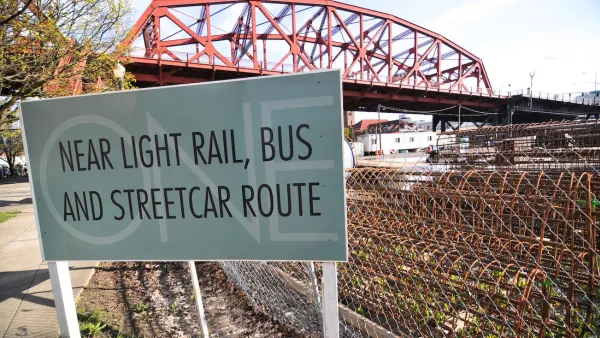
Portland Rejects Proposal to Expand Parking Minimums
If the proposed parking minimums had been in place over the past eight years, one-fifth of new development in the area would have been impossible, according to analysis reported by Bike Portland.

FREE Course: Walkable City 1: Why Walkability?
After describing his path towards focusing on walkability as the essence of good planning, Jeff Speck marches through his five principal reasons for making more walkable places.
Reinventing Malls: Planning Alchemy—Turning Gray Fields Into Gold
The course focuses on the opportunities and imperatives that shape reinvention of mall sites.

One Hundred Miles
County of Mendocino
planning NEXT
The Architects Foundation
University of Cincinnati Online
Montrose County
Northern Illinois Transit Authority (NITA)
The Pocatello Development Authority









