Land Use

Op-Ed: San Francisco's New Urban Design Guidelines Could Backfire
John King argues that the city's new guidelines may leave too many loopholes open, potentially defeating their purpose: well-integrated new buildings.
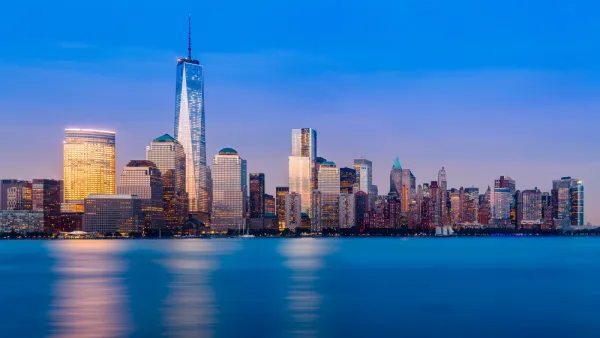
How Should Lower Manhattan Handle Its Crowd Problem?
In the period since 9/11, Lower Manhattan has undergone a residential boom. With daytime professionals and tourists also in the mix, the strain is showing.
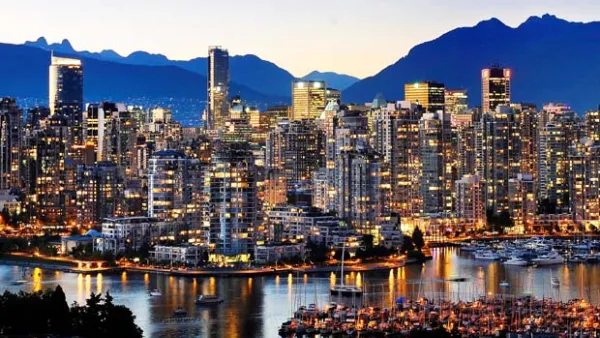
As Goes Vancouver, So Goes Seattle?
What does Vancouver’s housing market implosion mean for the Seattle area?
Brazil's Embattled Development Bank
Less than half of the $7 billion that Brazil's development bank committed since 2009 has been disbursed. As it withdraws from foreign projects, BNDES is beset by scandal.

The Country's Largest Urban Park—Coming Soon to Dallas
A Dallas News op-ed argues for a repackaging of the Dallas' ongoing open space and park investments to properly acknowledge the scale of the city's accomplishments.
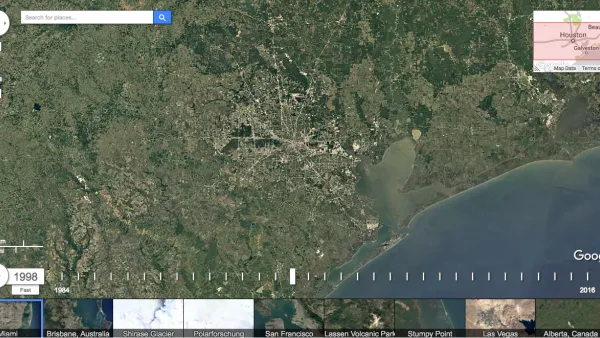
Friday Eye Candy: A 30-Year Timelapse Reveals Humanity's Expanding Footprint
The Google Timelapse feature has been updated. The only thing that stays the same is that everything changes.
Death Toll at 36 in Friday Night's Fire at Oakland Warehouse
Lax code enforcement is one of the concerns being raised by the devastating fire that occurred during a rave-style party, Artists had taken up residence in the building, which was not permitted for either general assembly events or residences.
What Mobility Leaders Think About Car Connectivity
As autonomous vehicles prepare to disrupt transportation systems, Ford Motors President & CEO Mark Fields, L.A Chief Sustainability Officer Matt Petersen, and rideshare company Chariot co-founder Ali Vahabzadeh opine on tomorrow's mobility ecosystem.

After the Boom (and the Bust) in Marcellus Shale Country
Tioga County, Pennsylvania provides lessons of a post-oil-boom economy.

A Showdown Looms as Developers Seek New Building Heights in Columbus
The region surrounding Columbus, Ohio could add a projected one million people by 2050, and developers are looking for new ways to meet growing demand for urban living.
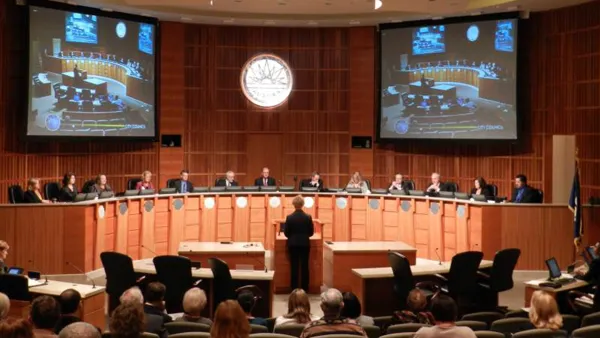
Why Bother with Community Engagement?
What is the highest purpose of community engagement? Why do some planners go all out to hear from the public? This article dives into these questions based on nine interviews conducted at APA 2016.
Planners Experiment with Unmanned Aerial Systems to Improve Maine Towns
Maine planners are finding new ways to use aerial photos and drone technology to improve transportation and environmental planning.
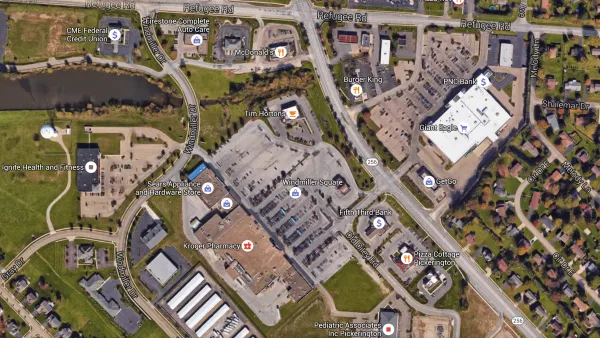
Which U.S. Cities Are Lowering Parking Minimums?
Based on crowdsourced data from across the country, this updated map shows which municipalities have eliminated, lowered, or discussed their parking minimum laws.

Developers Clash Over Newport Beach High-Rise Project
Developers and concerned residents tussle in Orange County, California, as a property meant to host an art museum moves toward redevelopment as high-rise luxury condos instead.
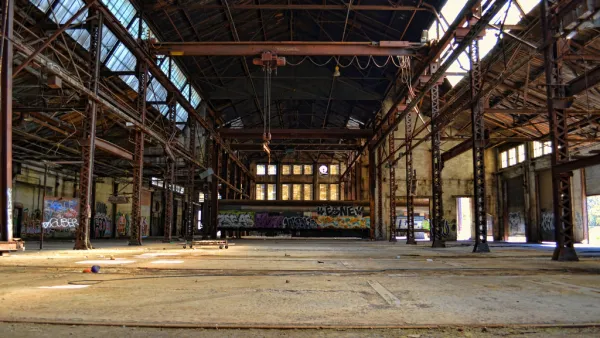
Disused Atlanta Industrial Site Slated for Historic Status
Currently owned by the state of Georgia, Atlanta's Pullman Yard may get a lot harder (but not impossible) to redevelop. Atlanta's Urban Design Commission is considering a proposal to grant protected status to the property.

Pot Farms as Tourist Attraction in Northern California
Humbolt County has long been associated with growing marijuana, now some see an opportunity to turn that association into tourist dollars.

Salida, Colorado: National Leader in the Development of Tiny Homes
Allowing the development of a planned community of 200 rental units, ranging from 200 to 800 square feet, will earn a position among the nation's most progressive land use policies.
An Argument for Pairing By-Right Zoning With Form-Based Codes
Opticos Design believes by-right zoning and form-based codes can be a win-win for communities.
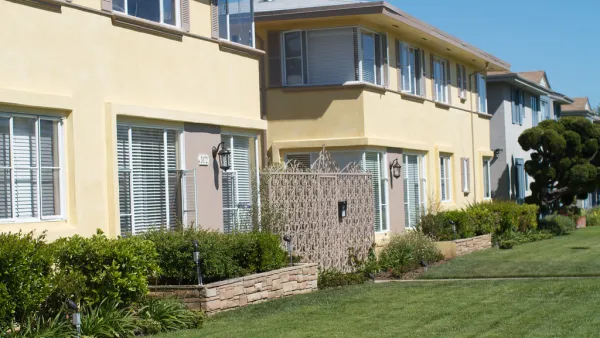
Study: New Low-Income Housing Has No Effect for Nearby Property Values
A new study by Trulia casts doubt on the fears of neighborhood activists resistant to the idea of low-income housing.
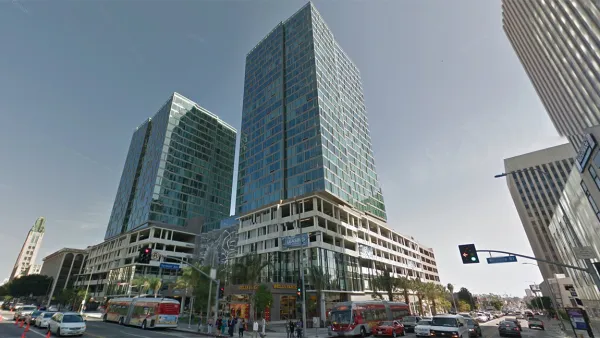
Op-Ed: Build a Dense Wilshire Corridor to Ease L.A.'s Housing Woes
Thom Mayne proposes a radical solution to Los Angeles' affordability/preservation problem: build up transit-friendly areas far beyond current densities, and leave the rest unchanged.

FREE Course: Walkable City 1: Why Walkability?
After describing his path towards focusing on walkability as the essence of good planning, Jeff Speck marches through his five principal reasons for making more walkable places.
Reinventing Malls: Planning Alchemy—Turning Gray Fields Into Gold
The course focuses on the opportunities and imperatives that shape reinvention of mall sites.

One Hundred Miles
County of Mendocino
planning NEXT
The Architects Foundation
University of Cincinnati Online
Montrose County
Northern Illinois Transit Authority (NITA)
The Pocatello Development Authority









