Infrastructure
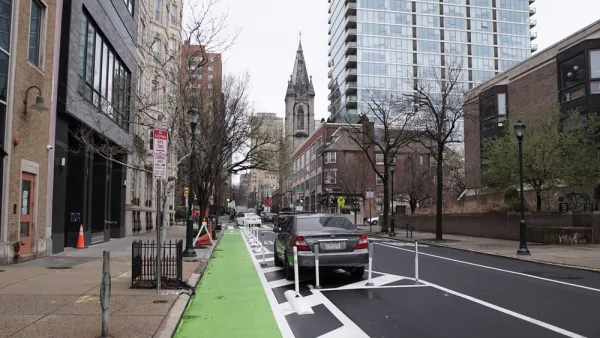
Philadelphia Traffic Calming Initiative Pays Off
City officials say serious crashes are down by 34 percent on streets that were the target of Complete Streets projects.

The Importance of Dark Skies
Why light pollution harms humans and the environment.

Flood Resilience Through Green Infrastructure
Cities like New York and Los Angeles are moving to build green infrastructure as the need for spongier urban spaces becomes more apparent.
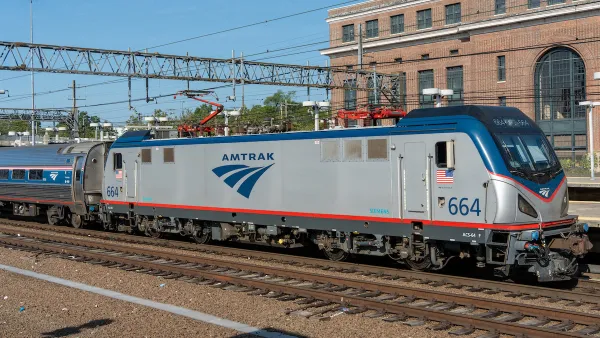
Connecticut Approves $1.1 Billion in Transit Funding
The state bond funding unlocks up to $2.5 billion in federal transportation funds.
Caltrans Demotes Official Who Challenged Road Expansion Projects
An employee was reassigned after bringing up concerns about highway projects that she alleges improperly skirted environmental review.
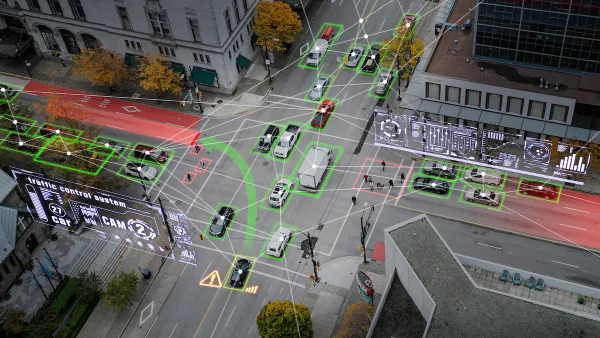
Maintaining Livability in the Age of Autonomous Cars
How do self-driving cars fit into ‘livable streets?’

Seattle Introduces Electric Bike Lane Sweeper
The city will test the efficacy and durability of an electric bike lane sweeper during a six-month pilot program.
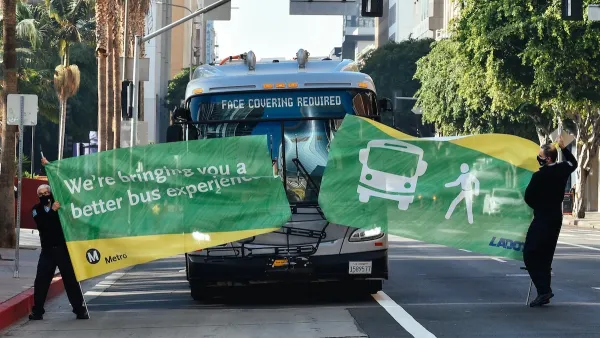
Los Angeles Adding 30 Miles of Bus Lanes in 2023
An ambitious plan to improve L.A. County’s bus network is bearing fruit.
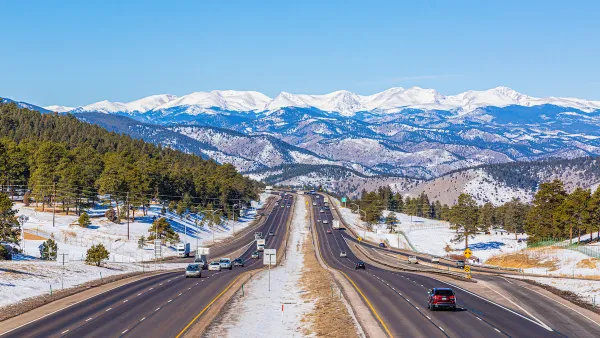
Colorado Considers Weight-Based Registration Fee
A small added fee for heavier vehicles would fund road safety projects in the state’s most populous counties.
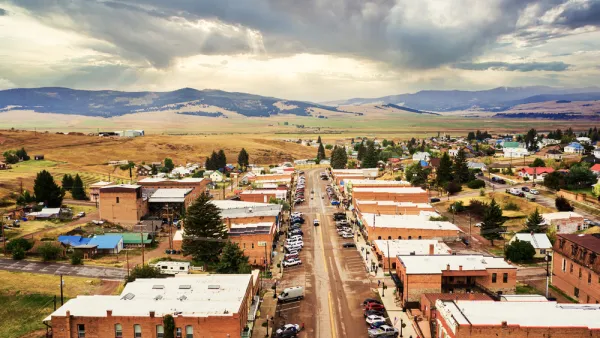
New Book Sheds Light on Rural Governance
Learn more about a new book that provides some overdue attention to public governance and administration in small towns and rural communities.
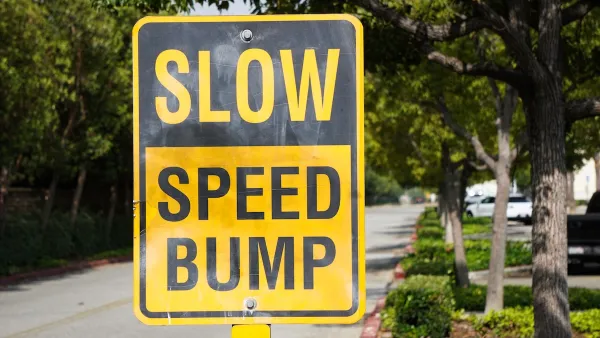
Philadelphia Continues Traffic Calming Program
The city is installing ‘vertical deflection devices’ such as speed tables on some of its most dangerous streets.
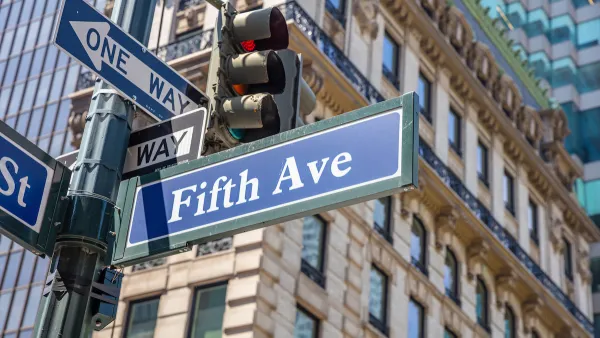
What Will Become of Fifth Avenue?
Visitors to the iconic shopping street overwhelmingly arrive by walking, transit, or bike. Why are bike and pedestrian infrastructure improvement lagging so far behind another famous NYC street, Broadway?
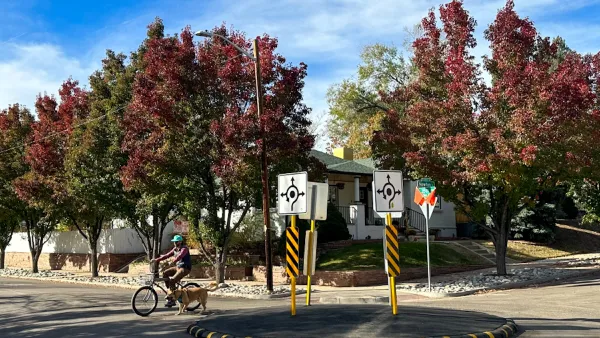
Denver Could Put Pause on New Traffic Circles
The city’s fire department has asked for a moratorium on new traffic circles, installed as a traffic calming mechanism.
Report: U.S. Biking Boom Slows
The pandemic bike boom is petering out, but more Americans are biking than ever before, signaling a need for cities to keep improving bike infrastructure and make roads safer for cyclists.
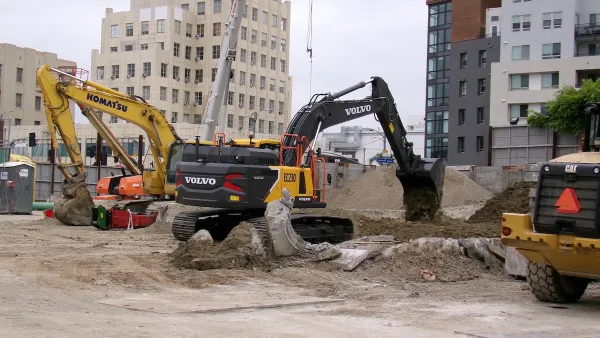
LA Rail Project Testing Electric Excavator
The battery-powered excavator could replace diesel-powered machinery to reduce construction emissions and noise.
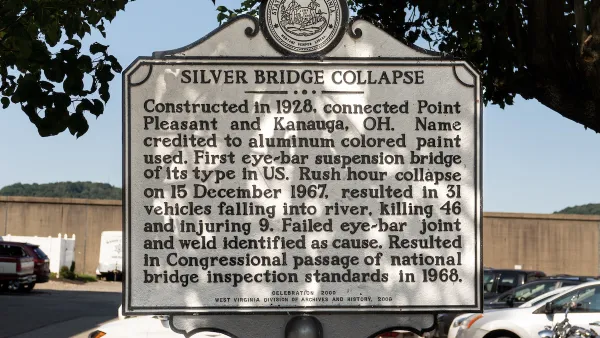
The Spectre of Shoddy Infrastructure
How a mythical creature is keeping the historical memory of the Silver Bridge collapse alive.
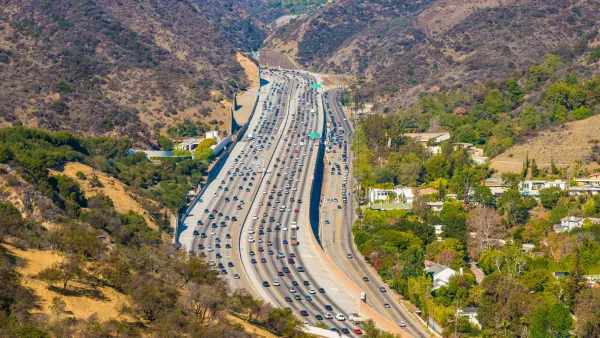
Report: Bike Lanes Can't Make up for New Roads
If California wants to meet its climate goals, the state must stop funding its myriad road construction and expansion projects.

Kaua’i County Uses Long-Range Models to Mandate Resiliency Standards
The county requires builders to assess potential flood risks using models that account for sea level rise projected as far out as 2100.
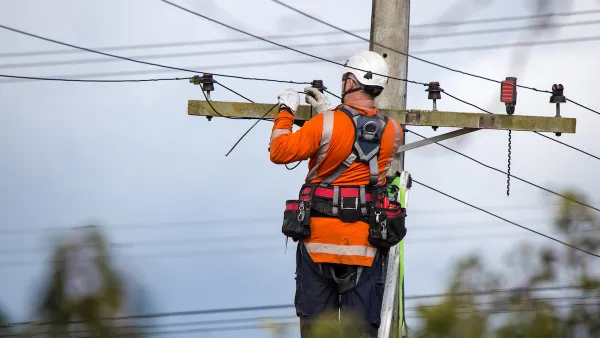
Building Resiliency in Rural Power Grids
A National Science Foundation study seeks to understand the impact of climate change and extreme weather on rural electrical grids in diverse geographic areas.
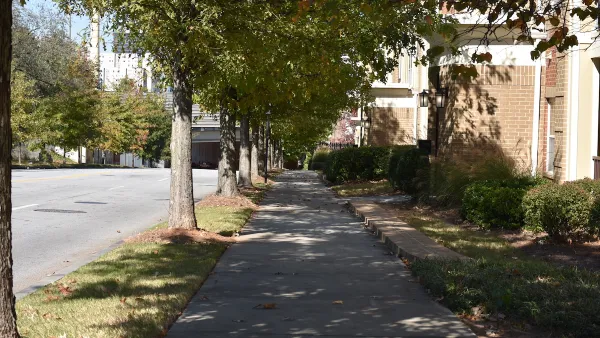
The Drawback to ‘Cool Pavement’
New research suggests that cooling pavement treatments can actually make pedestrians standing on it feel hotter.

FREE Course: Walkable City 1: Why Walkability?
After describing his path towards focusing on walkability as the essence of good planning, Jeff Speck marches through his five principal reasons for making more walkable places.
Reinventing Malls: Planning Alchemy—Turning Gray Fields Into Gold
The course focuses on the opportunities and imperatives that shape reinvention of mall sites.

City of Charlotte
City of Rosemead
Rutgers University, Edward J. Bloustein School of Planning and Public Policy
University of Michigan School for Environment and Sustainability (SEAS)
Hunter College, City University of New York (CUNY)
The Architects Foundation
University District Partnership
City of Cambridge
The Pocatello Development Authority









