History / Preservation

The Race Barriers of American Cities
The United States has a long and insidious history of erecting structures to control the movements of African Americans in urban and suburban spaces.
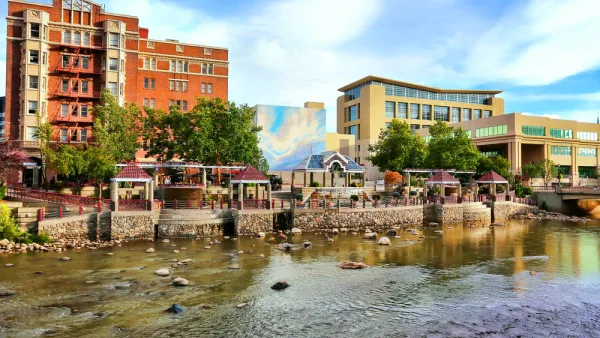
82 Votes: The Difference in a Local Election of Direct Relevance to Questions of Planning
One candidate is seen as combative to developers during a housing crisis, and the other is a real estate agent. The race to lead a section of Reno that includes the city's oldest, most historic neighborhoods came down to 82 votes.
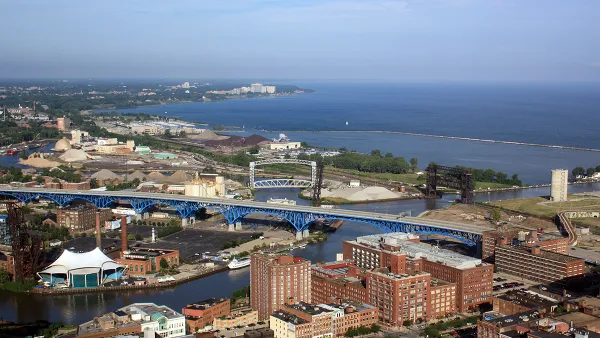
Cleveland Has Yet to Recover From the Last Recession
Decades of racist policy and a lack of critical resources have left Cleveland in a perpetual state of economic fragility. The city can't afford another recession.
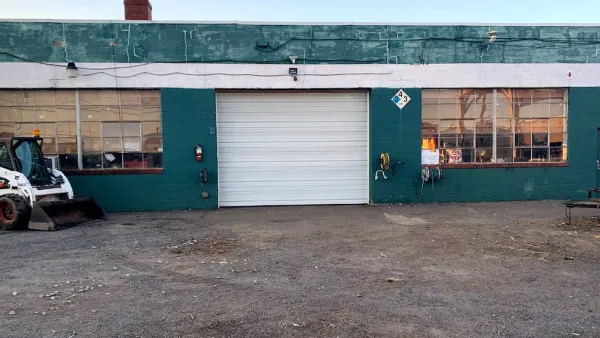
Petition Seeks Landmark Status for Philadelphia's Four Seasons
Four Seasons Total Landscaping. Was that not clear?
Meet Google's Open Source, Time-Traveling Map
All historic maps are welcome in Google's open source machine learning project.
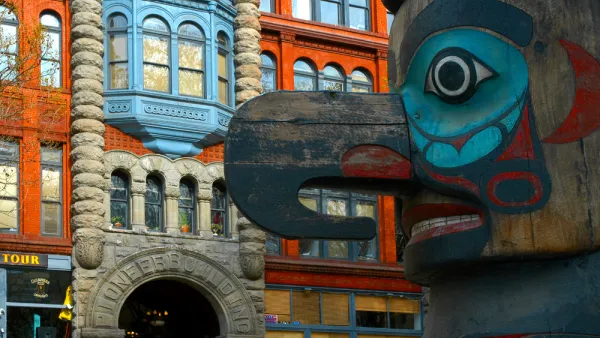
How Seattle Plans to Leverage Public Resources to Protect Arts and Culture
The Cultural Space Agency, proposed in Seattle, would be a new type of public development authority, a city agency with a mission to preserve and create arts and culture in the face of gentrification.
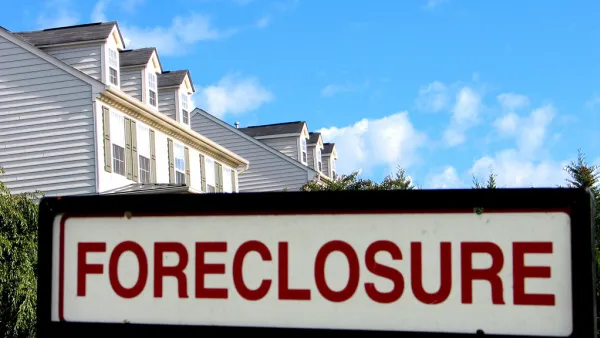
Real Estate Defaults Are Coming. Don’t Waste Them.
Here’s what the federal government should do to grab the opportunity to create affordable housing.
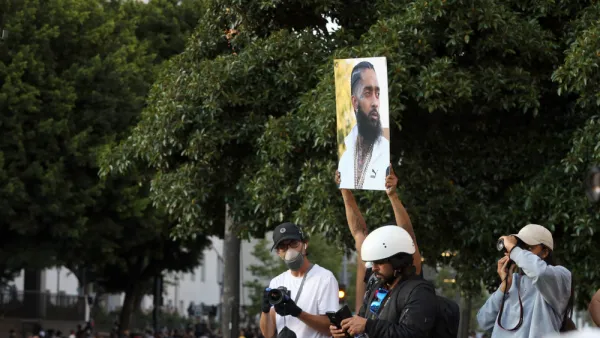
Valuing Black Lives and Black Cities
Andre M. Perry’s "Know Your Price: Valuing Black Lives and Property in America’s Black Cities" reveals the web of historical and contemporary socioeconomic barriers that maintain the racial wealth divide.
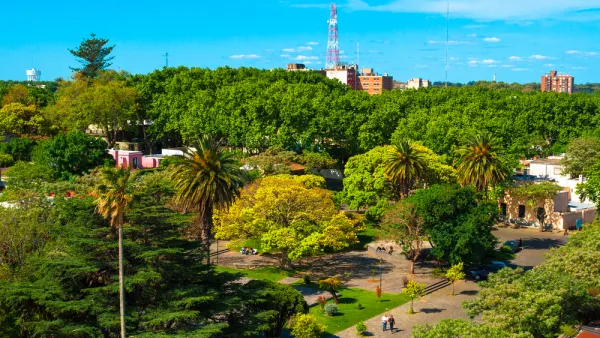
A New Study Asserts the Importance of Urban Trees in Conservation Efforts
Data collected from 13 million tree planting records in 473 urban areas across 73 countries provides insight into the role of urban trees in biodiversity conservation.
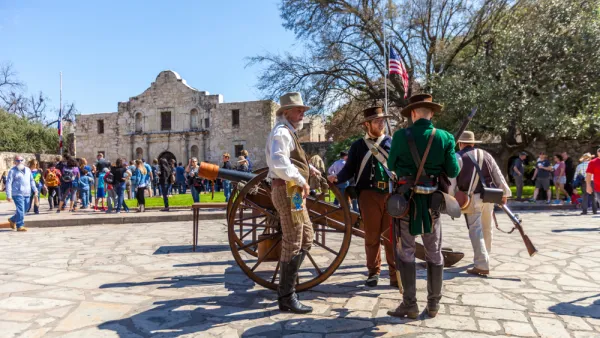
Alamo Master Plan Thrown Into Disarray
Remember that $450 million plan to renovate The Alamo in time for the 300th anniversary of the battle? It's in trouble.
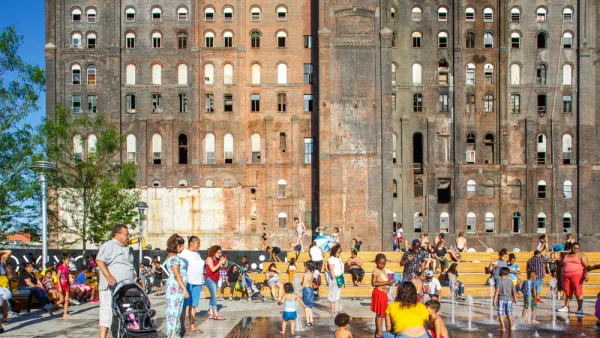
Adaptive Reuse More Popular Than Ever, Study Says
The past decade saw more old commercial buildings transformed into residential buildings than any decade previous.
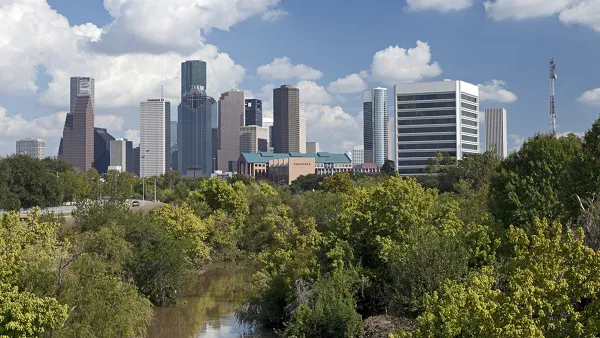
Houston Officials Draft Ordinance to Protect Natural Areas
With more than 50,000 acres of parkland, Houston is one of many cities to notice an increase in use of natural areas. Natural Resources Manager Kelly Ondracek is drafting a plan to protect the natural lands from development.
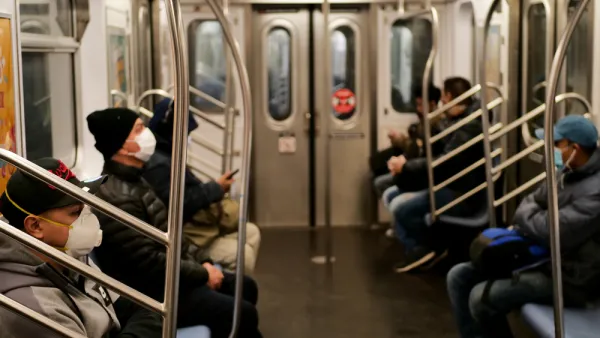
Looking Ahead and Way Back as the U.S. Passes 200,000 Coronavirus Deaths
It's been eight months since the first confirmed infection from the novel coronavirus in Washington state. As deadly as COVID-19 is, Americans should reflect when 200,000 died in a single month from a far deadlier virus 102 years ago.
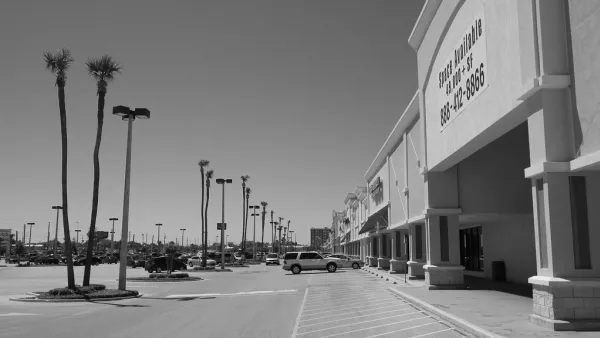
How Typical Economic Development Kills Community Character
An economic development pro makes an argument for an approach to economic development that prioritizes the urban design decisions that favor community character.
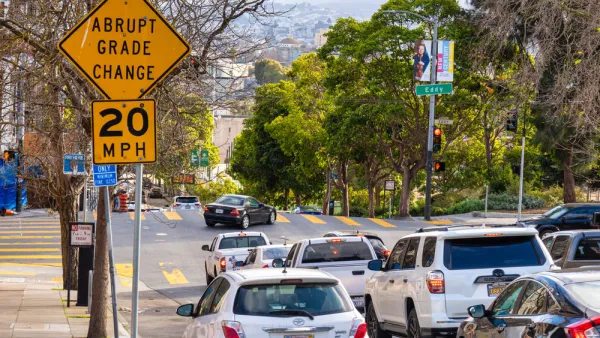
The Causes of California's Development Malaise
A spate of recent articles has taken a critical look at the regulatory obstacles to a progrssive planning vision in the state of California.
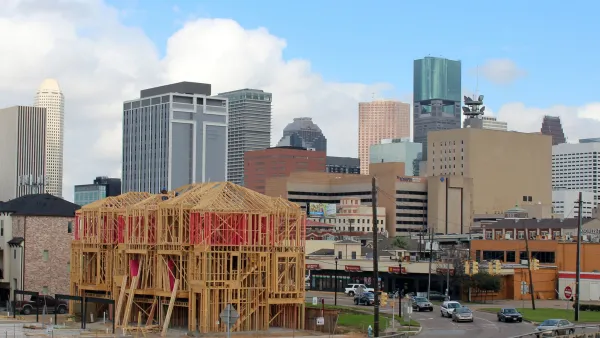
Houston Lacks Zoning—Or Does It? The State Supreme Court Will Decide
A lawsuit argues that Houston's Historic Preservation Ordinance is a form of de facto land use control, equivalent to zoning, which isn't allowed by state and local laws.
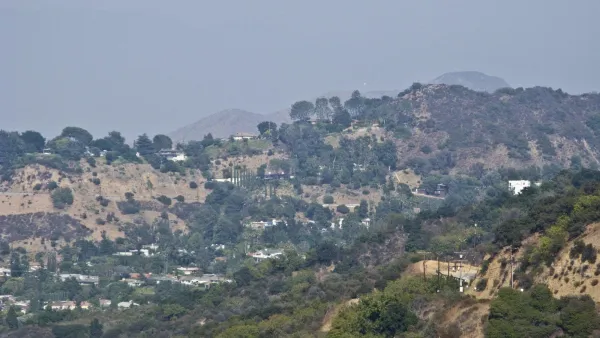
How Urban Form Created Classic Rock
A great many factors converged to create the culture and music of the 1960s. A powerful, but often overlooked, factor was the Los Angeles neighborhood of Laurel Canyon. A new documentary provides a case study in urban creativity.
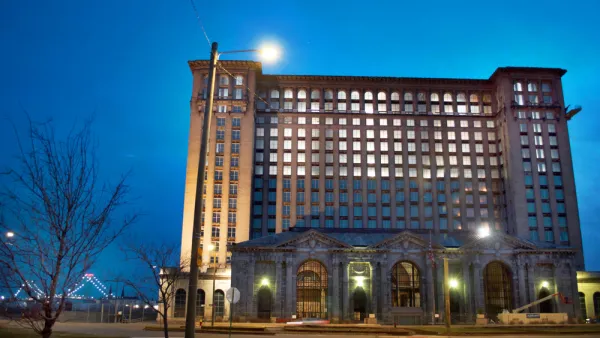
Economic Recovery in Legacy Cities
Americans living in legacy cities face a unique set of challenges and opportunities in recovering from the COVID-19 pandemic. Several local, state, and federal support strategies could aid these cities in recouping losses.
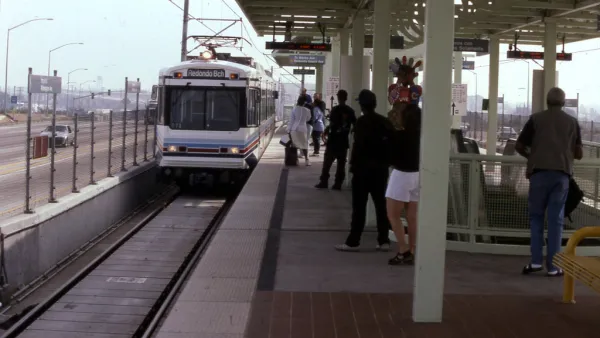
Considering the Legacy of the Metro Green Line after 25 Years of Service
25 years of the Metro C (Green) Line means reckoning with a history of destruction and displacement while looking forward to upcoming improvements.
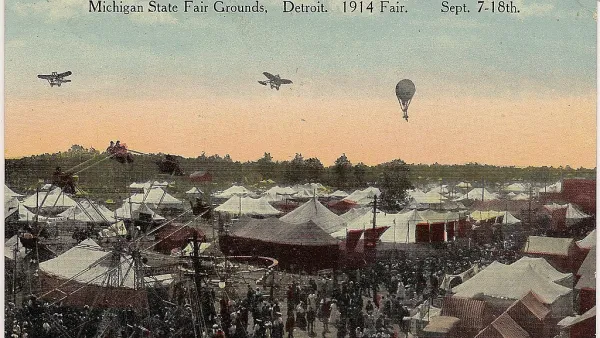
Dormant Michigan State Fairground Site to Make Way for Amazon Distribution Center
Detroit officials have been trying to find a new life for the former site of the Michigan State Fair for a long time. Amazon will fill the void, according to a redevelopment proposal announced last week.

FREE Course: Walkable City 1: Why Walkability?
After describing his path towards focusing on walkability as the essence of good planning, Jeff Speck marches through his five principal reasons for making more walkable places.
Reinventing Malls: Planning Alchemy—Turning Gray Fields Into Gold
The course focuses on the opportunities and imperatives that shape reinvention of mall sites.

Greater Baltimore Committee
Eagle County Government
Harvard University Graduate School of Design
The Architects Foundation
University of Cincinnati Online
The Pocatello Development Authority
The Urban Renewal Agency of the City of Pocatello
Journal of the American Planning Association