Defraying the costs of maintaining a historic home can help more families stay in their homes, according to the logic behind a preservation fund proposed in one of the most historic cities in the country.


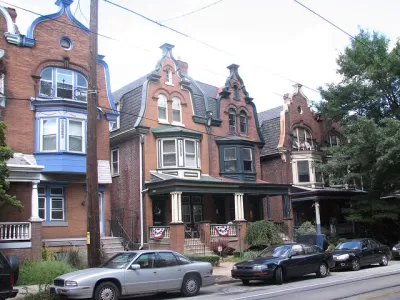
"Philadelphia officials want to create a fund to help homeowners with limited incomes cover the costs of complying with the city’s historic preservation regulations," reports Jake Blumgart.
"For property owners, historic buildings come with pedigree, but plenty of responsibility in the form of costly bills for brickwork and historically accurate window treatments. In a city with an extensive stock of 19th-century buildings and many homeowners on a tight budget, the financial burden takes a toll."
The Preservation Alliance of Greater Philadelphia pitched the idea to the Philadelphia City Council earlier this month, modeling the idea on the city's Housing Trust Fund. While the preservation fund isn't ready to appear in legislation yet, the city has been busy considering a number of preservation policies and tools this year, many of which are documented by Blumgart here.
FULL STORY: Philly considers a new preservation fund aimed at owners of historic homes


Philly Residents Push Back on New Historic Preservation District
Some residents of Philadelphia’s newly designated Washington Square West Historic District say the community was left out of the decision-making process that could impact housing costs and building requirements.
How Philadelphia Prevented Mass Evictions
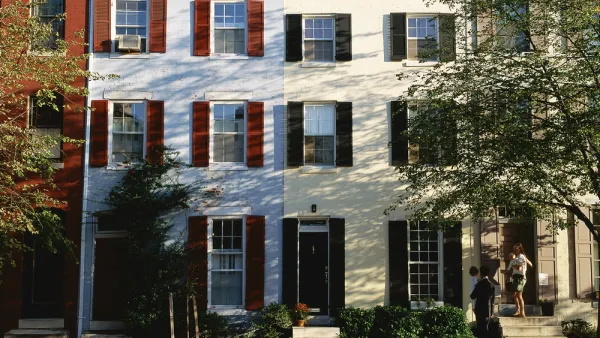
By requiring landlords to enter mediation before filing eviction cases, the city’s eviction diversion program has successfully kept thousands of people at risk for displacement in their homes.
Housing Programs on the Chopping Block in Philadelphia
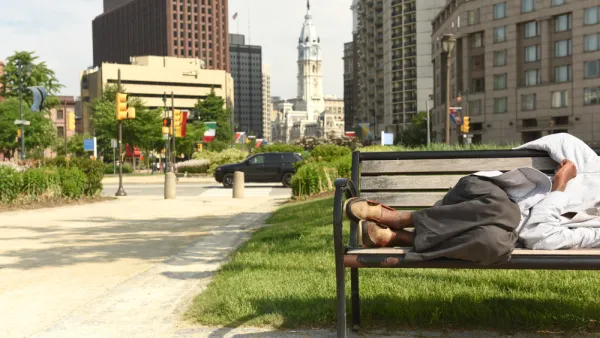
The city of Philadelphia is facing a $649 million budget shortfall, and Mayor Jim Kenney is proposing to cut deeply from the city's housing budget to make up the difference.

Planetizen Federal Action Tracker
A weekly monitor of how Trump’s orders and actions are impacting planners and planning in America.

The state-sanctioned urbicide of Austin
People don’t kill cities. Freeways do.

US to reduce Colorado River water deliveries to Mexico
A new Colorado Treaty amendment reduces Mexico’s Colorado River water allocation by 250,000 acre feet.

5 New England states march closer to 800 megawatt wind energy project
Securing federal approval for the project may be complicated under the Trump administration, which has historically been hostile towards domestic wind power.

Baltimore to break ground on $50 million Transit Priority Project
The project will bring faster bus trips, safer streets and better bike connections to Baltimore.

Airbnb launches $250 million 'last-dollar financing' housing accelerator, makes first investment in Austin
The company will put $6.4 million towards affordable housing development in Texas’ capital.

FREE Course: Walkable City 1: Why Walkability?
After describing his path towards focusing on walkability as the essence of good planning, Jeff Speck marches through his five principal reasons for making more walkable places.
Reinventing Malls: Planning Alchemy—Turning Gray Fields Into Gold
The course focuses on the opportunities and imperatives that shape reinvention of mall sites.

Eagle County Government
Harvard University Graduate School of Design
Nashville Planning Department
The Architects Foundation
University of Cincinnati Online
The Pocatello Development Authority
The Urban Renewal Agency of the City of Pocatello
Journal of the American Planning Association