Government / Politics
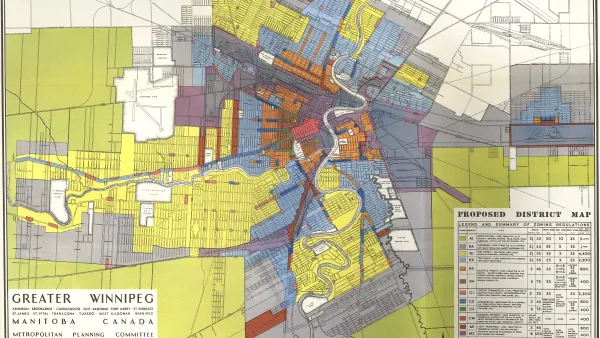
Opinion: Outdated Zoning Codes Stifle Growth and Development
Strict separation of uses may be an inefficient way to zone dynamic modern cities.
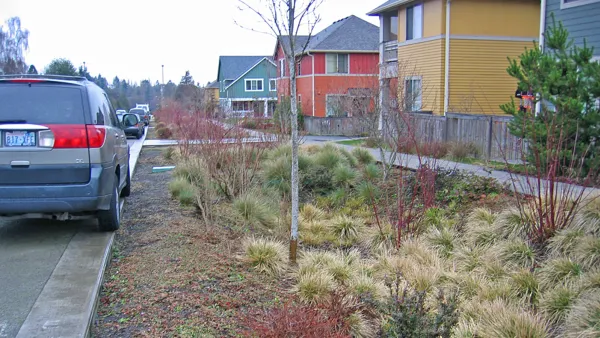
Seattle City Council Changes Single-Family Zoning Name, But Not Substance
The name change to "neighborhood residential zoning" is meant to more accurately reflect the city's diverse neighborhoods, but the new legislation does not change permitted uses.

Central Texas Town Approves New Trail Network
Kyle trail master plan will tie into a 100-mile Central Texas network connecting greenways in the Edwards Aquifer recharge zone.
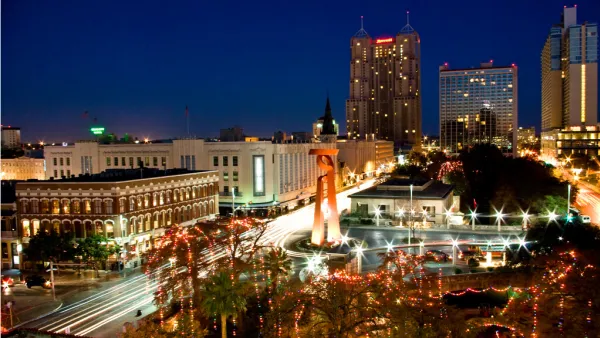
Growth and Heritage Colliding in San Antonio
As demand for real estate grows, residents in the city's historic neighborhoods face rising costs and the threat of displacement.
Opinion: To Increase Equity, Make Buses Free
With buses as a dominant transport mode for low-income households and "essential workers," free fares would increase access to economic opportunities and free up limited income for cash-strapped commuters.
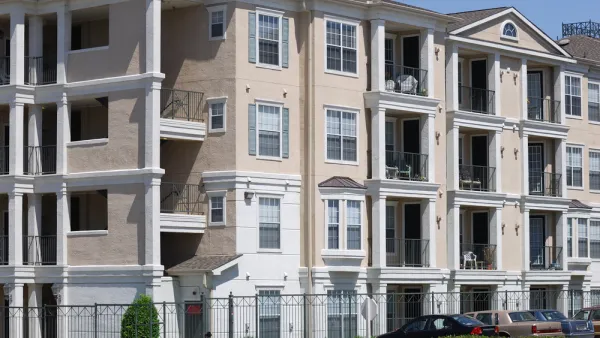
The Problem With Housing Choice Vouchers
Even with new funding proposed in the infrastructure package, voucher recipients face severe challenges in finding landlords that will accept them.
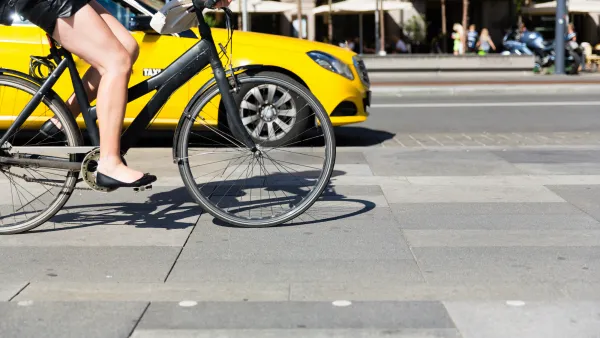
Jaywalking, Idaho Stop Bills Vetoed by California's Governor
Faced with the opportunity to redefine the traffic safety regime in one of the nation's most progressive states, Governor Gavin Newsom flinched.

Partisan Splits for Transportation Politics
Researchers found that while left-leaning respondents were more likely to favor transportation reform and sustainable modes, conservatives are not as far behind as we think.
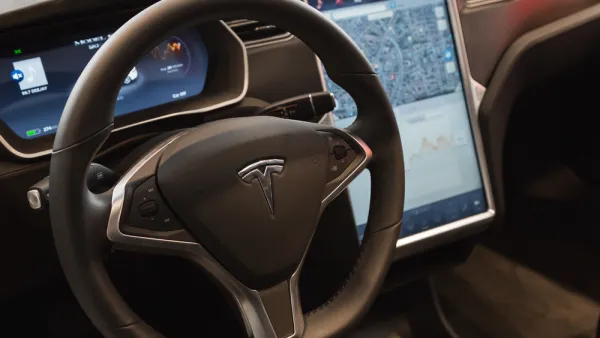
The Ethics of Autonomous Car Testing
In the wake of multiple fatal crashes involving Tesla's self-driving mode, ethicists suggest the need for a robust set of regulations governing the testing of AVs before more of them hit the road.
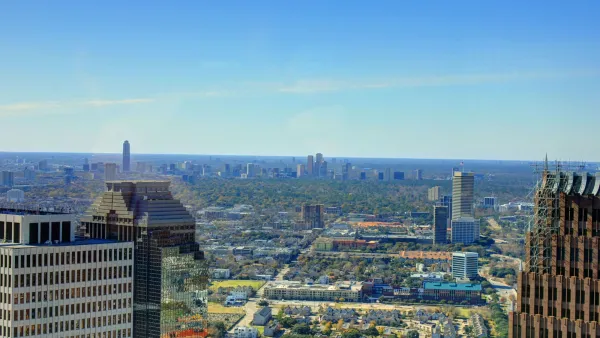
Federal Dollars Could Pave the Way for Greener, More Equitable Infrastructure
Houston's director of Transportation and Drainage Operations wants to see more sustainable development in the city that has historically depended on freeways as its critical infrastructure.

How Paris Improved Sustainability and Livability In Its Public Housing
Over the last decade, the city has made massive investments in retrofitting 'social housing' with minimal disruptions and displacement of residents.

The Hidden Costs of Drone Delivery
Ultra-fast drone delivery promises convenience, but comes at a high cost for workers, the environment, and public space.

Guaranteed Income Program Launched in Arlington, Virginia
The 18-month pilot program will provide $500 to 200 low-income families in the county.
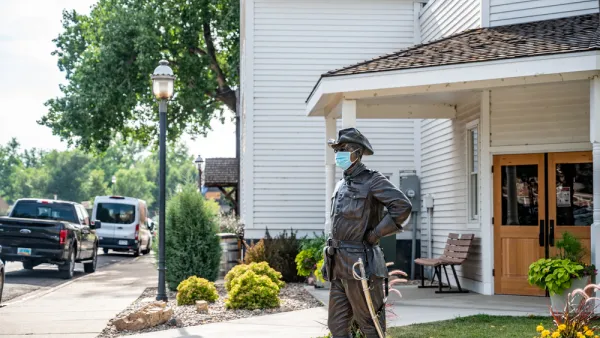
COVID and the Urban-Rural Divide
Researchers at the University of Iowa analyzed COVID-19 death data in rural and metropolitan counties and found that rural Americans have died at twice the rate as those living in more urbanized counties. The health divide will only widen.
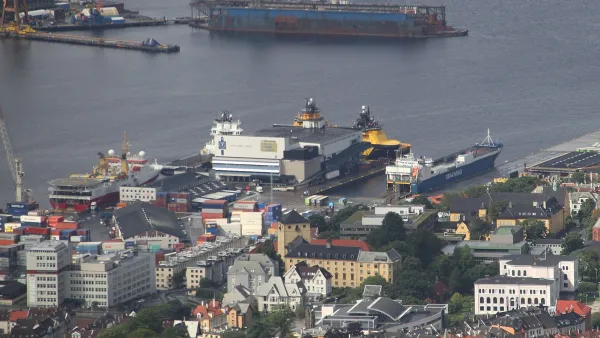
Norwegian City Plans for Zero-Emissions Neighborhood
As it winds down port operations in the area, Bergen plans to transform its Dokken district from a busy shipping hub to a car-free, 'regenerative' zone.
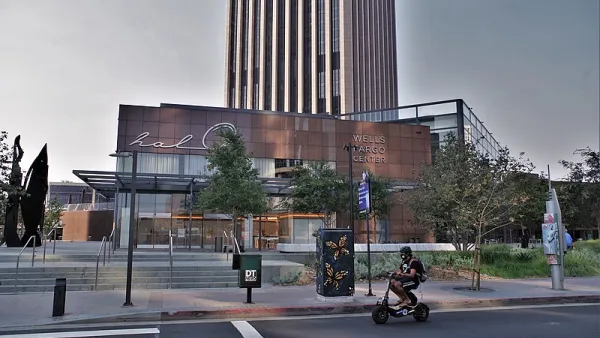
Climate Action: As Simple as Riding an E-Bike
A new e-bike credit, if coupled with improved bike safety infrastructure, could encourage many Americans to replace short car trips with e-bike rides, reducing emissions and congestion.
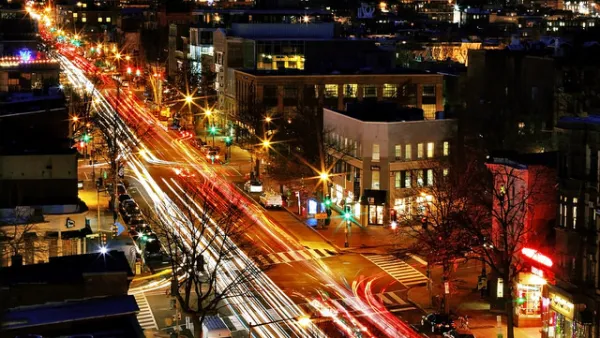
D.C. Inspector General: District 'Misspent' $82 Million in Affordable Housing Funds in 2020
A new report accuses the District of misusing funds and failing to properly monitor projects aimed at creating housing for 'extremely low-income' households.
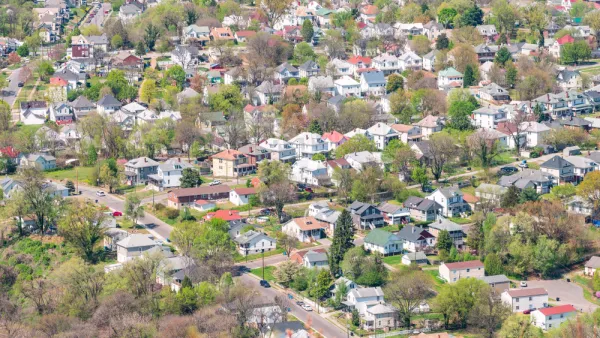
Northern Virginians Look to Community Land Trusts to Increase Affordable Housing
As the state's real estate costs rise, community land trusts struggle to access funding and land in order to build more affordable housing.
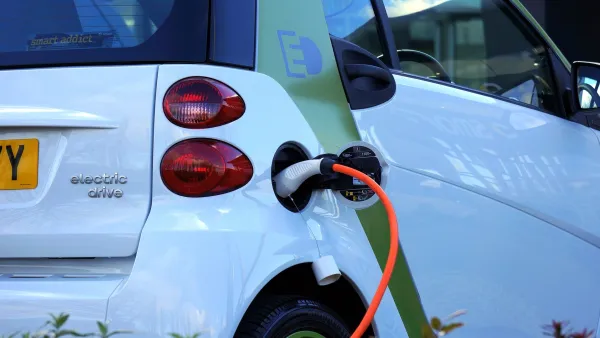
Five Midwest States to Develop EV Charging Network
The governors hope the agreement will create jobs, reduce emissions, and encourage more widespread adoption of electric vehicles in their states.
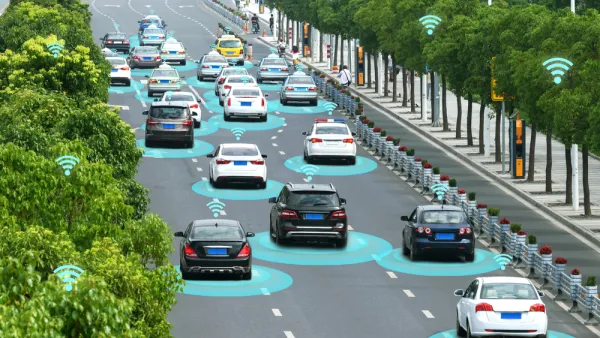
How Cities Can Plan For the Rise of Autonomous Vehicles
When cars first started proliferating on American roads, it led to increased sprawl and flight from central cities. What can we do now to prevent the same problem as AVs become more widespread?

FREE Course: Walkable City 1: Why Walkability?
After describing his path towards focusing on walkability as the essence of good planning, Jeff Speck marches through his five principal reasons for making more walkable places.
Reinventing Malls: Planning Alchemy—Turning Gray Fields Into Gold
The course focuses on the opportunities and imperatives that shape reinvention of mall sites.

City of Rosemead
Rutgers University, Edward J. Bloustein School of Planning and Public Policy
One Hundred Miles
University of Michigan School for Environment and Sustainability (SEAS)
Hunter College, City University of New York (CUNY)
The Architects Foundation
City of Cambridge
Montrose County
The Pocatello Development Authority









