Government / Politics
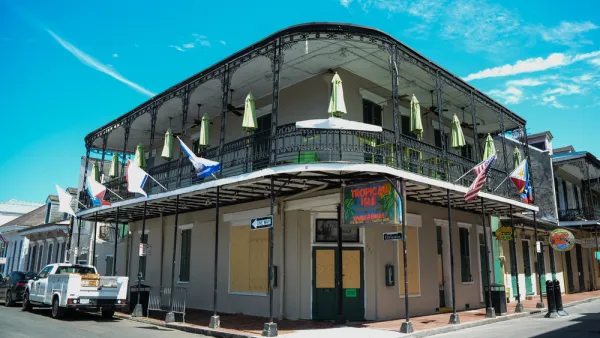
'Glaring' Racial Disparities Revealed in Louisiana COVID-19 Data
New data from the Louisiana Department of Health provide the most detailed look at the disparate impacts of the coronavirus across racial lines.
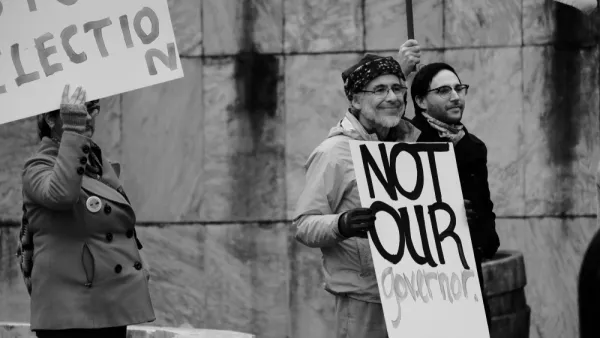
States Take Steps to Reopen Regardless of White House Guideline Criteria
Governors of several states announced initial steps to reopen their economies even though their COVID-19 caseloads are not meeting the criteria that they show a decline for two weeks, according to White House reopening guidelines issued April 16.
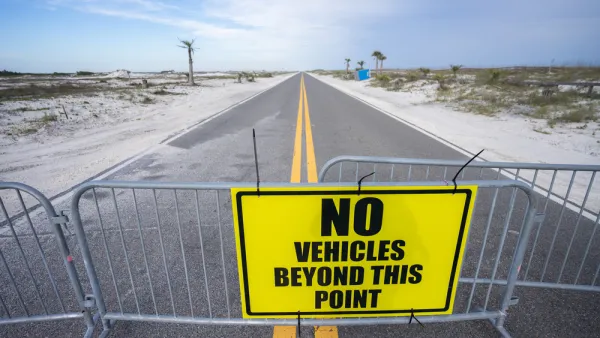
State and Local Border Restrictions Draw Legal Scrutiny
Some call restrictions at state and county borders necessary to protect the public health of communities. Others call them unconstitutional.
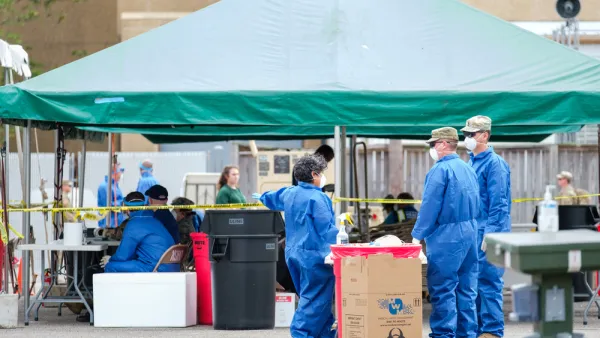
U.S. Needs to More Than Triple Testing Before States Can Open, Study Says
The United States currently tests about 145,000 people daily. A Harvard study calls for a minimum of 500,000 daily, but that's on the low end if the country wants to prevent shutting down again due to a second wave of the coronavirus.
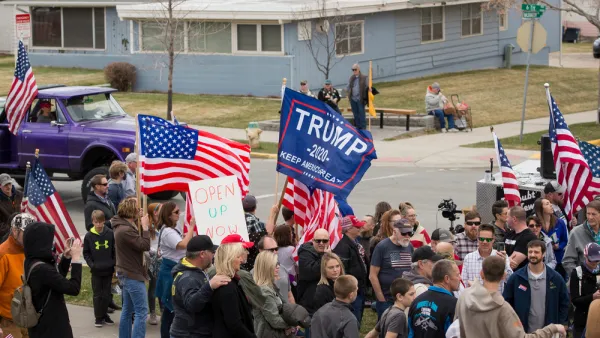
President Trump's Plan to Reopen the Economy Rests with States
After initially saying that he had total authority on how and when to reopen the economy, Trump handed the responsibility to the 50 governors to make their own decisions and offered guidance in the form of a three-phase plan that relies on testing.
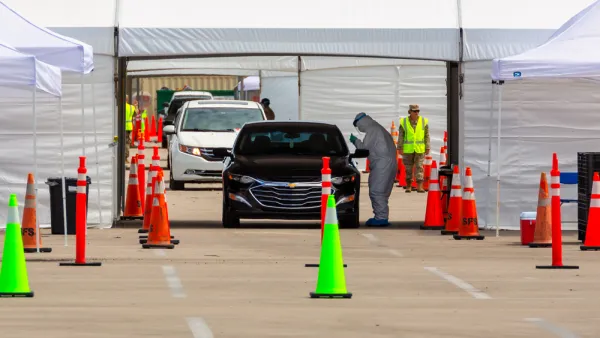
Seattle Needs Walk-Up Testing for People Without Access to Cars
Disability rights advocates and people who rely on public transit put pressure on Mayor Jenny Durkan to develop a plan for pedestrian access to coronavirus testing centers in Seattle.
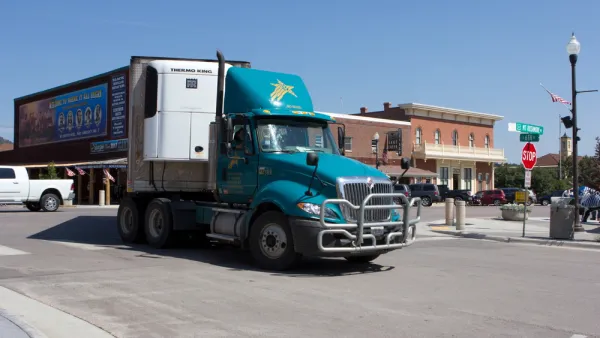
Coronavirus Shuts Down Food Processing Plant as President Pushes Reopening Economy
As President Donald Trump eyes May 1 for "opening up states," he might want to look at states that never shut down businesses to understand his public health advisor's warning that "the virus makes the timeline."
The U.S. Passed a Clean Energy Stimulus in 2009—Can the Same Happen in 2020?
The Obama-era American Recovery and Reinvestment Act of 2009 funded clean energy and created jobs during the Great Recession. Will clean energy be considered in a future stimulus bill to mitigate economic strain cased by the coronavirus pandemic?
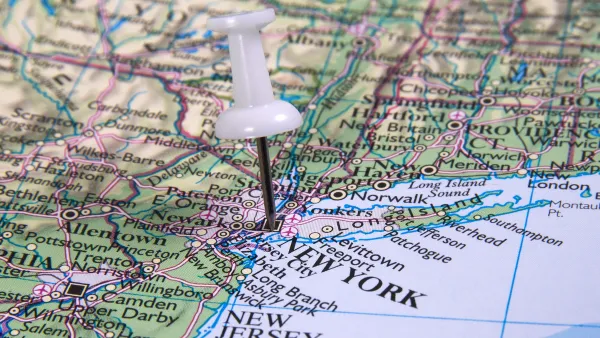
Part II: The New Regionalism of the Coronavirus Pandemic
Part I was shutting down the economy on a multi-state basis in the absence of federal leadership. Part II will be opening them up in spite of federal assertiveness.
Census Bureau Seeks Delay
Citing complications from the coronavirus pandemic, the U.S. Census Bureau is seeking a 120-day delay in concluding the Census process, with potential consequences lasting into 2021.
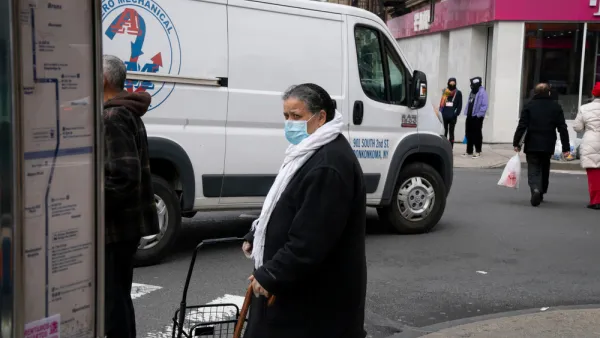
COVID-19 Impacts on the Future of Transportation
MoveLA's Denny Zane and Gloria Ohland assess the impact of the COVID-19 pandemic on public transit.
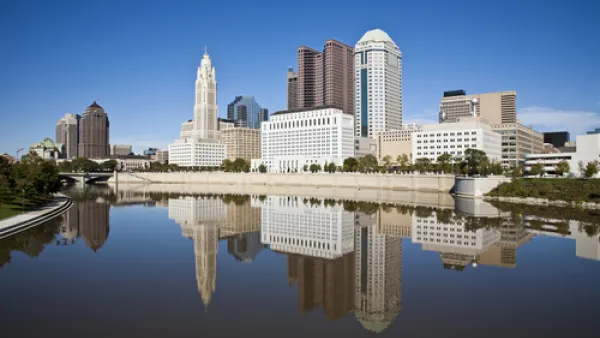
Another State (Ohio) Gets It Right
Washington and California have been praised for early efforts to mitigate community spread of the novel coronavirus, resulting in relatively low rates of infection, hospitalization, and ultimately, death. Add Ohio to the bunch.

Questioning Washington State's Commitment to Greenhouse Gas Reductions
Lawmakers in Washington state fell short of passing comprehensive legislation this year to meet long-term goals of reducing greenhouse gas emissions.
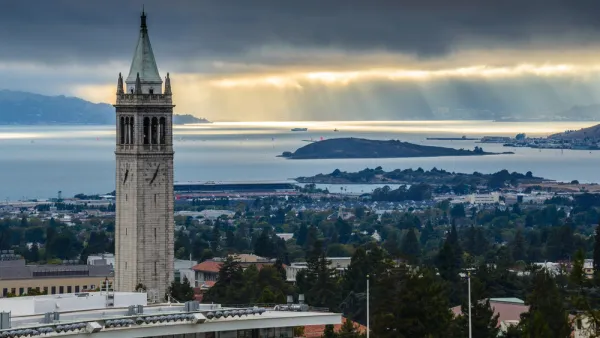
Distance Learning and University Challenges Under COVID-19
University of California Board of Regents Chair John A. Pérez shares the University of California's real-time response to the COVID-19 pandemic, highlighting economic and pedagogical impacts for the system.
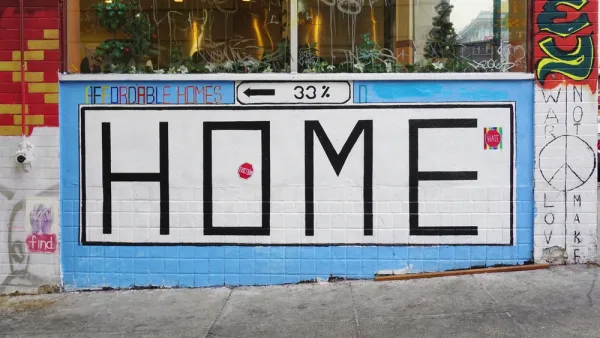
Safe At Home: Securing Affordable Housing in a Pandemic
An interview on the critical importance of securing quality affordable housing during the pandemic, coupled with the challenge of responding to the operational needs of ongoing development projects.
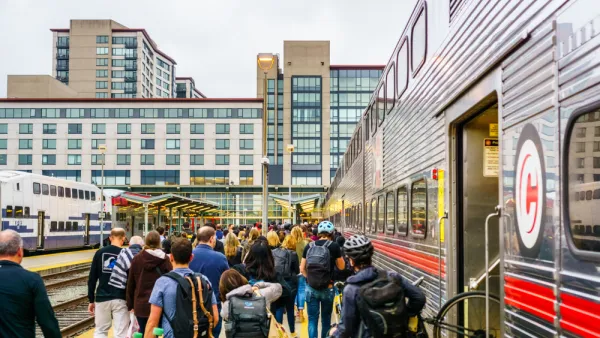
A New Ballot Measure Could Increase Caltrain's Funding by $108 Million Per Year
Santa Clara, San Mateo, and San Francisco county voters could see a ballot measure to fund an ambitious Caltrain plan with a one-eighth cent sales tax, amounting to more than $100 million dollars per year.
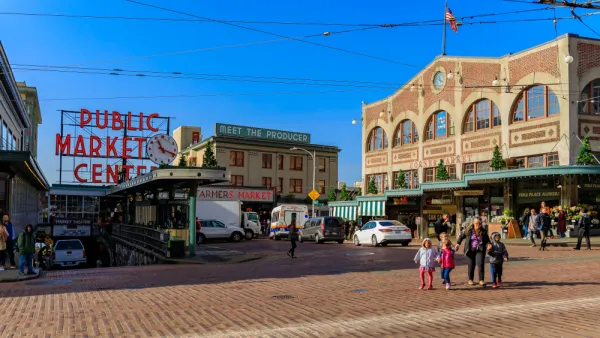
Project For Public Spaces Launches Initiative to Improve Marketplaces Worldwide
Project for Public Spaces' Market Cities Initiative seeks to understand and addresses challenges faced by the public marketplaces to improve market infrastructure and promote healthy food systems in local communities.
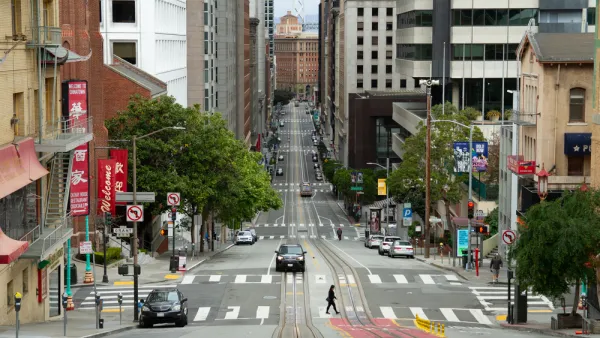
Contrasting the Coronavirus Impact in the Bay Area to New York City
Early intervention, or population density? NPR reporters based in the Bay Area and New York City offer explanations as to why the two regions are seeing such a wide contrast in experiences during the coronavirus outbreak.
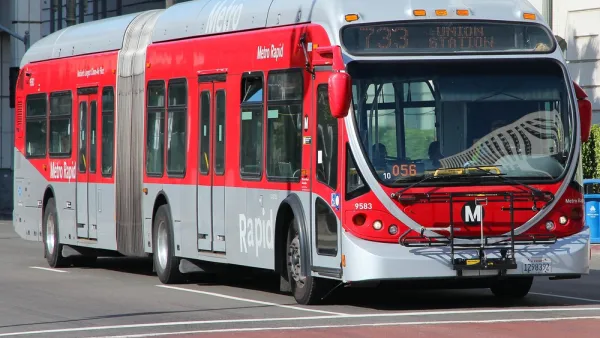
Causes of the Pre-COVID Decline in Bus Ridership
Even before the effects fo the coronavirus pandemic drastically reduced ridership, transit riders were declining in cities across the country. The reasons for the downward trend were varied.
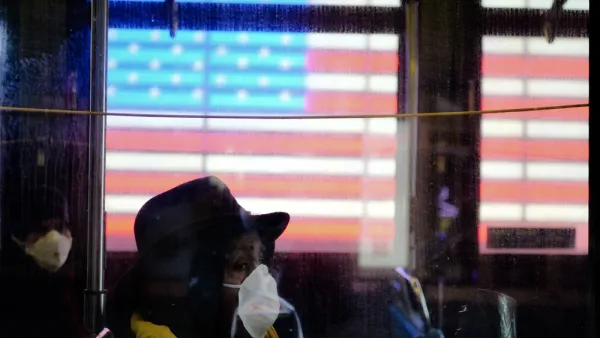
How Coronavirus Could Worsen the Racial Wealth Gap in the United States
The impact of coronavirus on unemployment and healthcare is predicted to affect black and Latinos at a disproportionate rate, raising questions about what can be done to ease the suffering and close the racial wealth divide in America.

FREE Course: Walkable City 1: Why Walkability?
After describing his path towards focusing on walkability as the essence of good planning, Jeff Speck marches through his five principal reasons for making more walkable places.
Reinventing Malls: Planning Alchemy—Turning Gray Fields Into Gold
The course focuses on the opportunities and imperatives that shape reinvention of mall sites.

City of Rosemead
Rutgers University, Edward J. Bloustein School of Planning and Public Policy
One Hundred Miles
University of Michigan School for Environment and Sustainability (SEAS)
Hunter College, City University of New York (CUNY)
The Architects Foundation
City of Cambridge
Montrose County
The Pocatello Development Authority









