Europe
Bikes Beat Cars As Europeans Vote With Their Wallets
In 25 of the 27 European Union members for which data is available, bikes are outselling new cars, research conducted by National Public Radio has found. Though many European cities are known for their bikeability, the buying pattern is a new trend.
New Rail Tunnel is First to Join Two Continents
On the 90th anniversary of the founding of modern Turkey, officials realized a vision dreamt by an Ottoman sultan by inaugurating a rail tunnel beneath the Bosporus to connect Asia and Europe. Critics have questioned the tunnel's safety.
Is Your Commute Killing You?
Though research has been piling up on the adverse health impacts connected with driving long distances every day, it turns out that no matter how you travel to work, "having a job far from home can undermine health."
Bulgaria's Bad Air Highlights European Pollution Problem
A new report by the European Environment Agency points to progress in cutting the continent's air pollution problem. However, up to 98% of Europe's urban residents are exposed to hazardous air, and in places like Bulgaria the danger is acute.
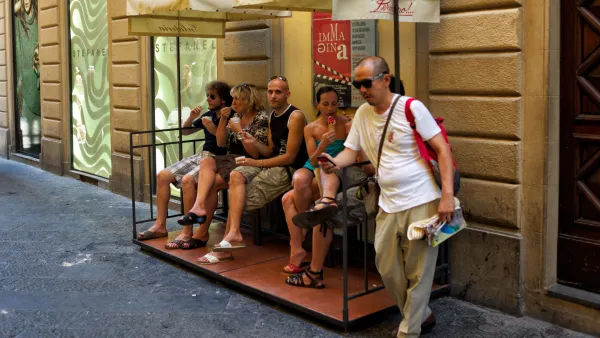
The Next Big Thing: "Sit-able Cities"
Supported by imagery of human urban conduct, Chuck Wolfe argues that walkable is good, but sit-able is better—and that "it’s time for the next big focal point and the next big idea, the 'Sit-able City'."
Fracking Finds Few Takers in Europe
As hydraulic fracturing, or fracking, transforms America's energy sector and environmental policy, Europe has been reluctant to embrace the drilling technique. Will this reluctance harm the continent's economic growth and emission curbing efforts?
How Do You Plan a City for the Next 90 Years?
Planners in Copenhagen are bringing new meaning to the concept of long-term planning. A 10-person team is focused solely on envisioning how the city will adapt to the next 90 years of climate change.
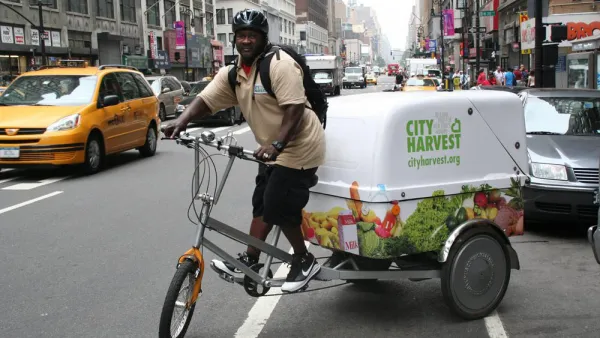
Bikes Emerge as a Viable Alternative for Urban Freight
It may be hard to image fleets of cargo bikes replacing the large polluting trucks that tear up our city streets. But a European Union project estimates that the majority of freight in 322 cities studied could be moved by cargo bike.
One Czech City's Approach to DIY Bike-Share
While many big city bike-share systems hit potholes, one Czech city has experienced success with an entirely different – and more DIY – ‘micro-scheme’ approach fostered by a network of cafés.
Can a Cultural Makeover Clean Up France's So-Called Crime Capital?
Marseille has sought to maximize its year as European Cultural Capital to jumpstart a transformation of the notoriously rough-and-tumble port city. But will new initiatives provide enough momentum to dislodge old habits and stereotypes?
Theft and Vandalism Threaten One of World's Largest Bike-Share Systems
With 12,000 docking stations, Paris' expansive Velib system is the envy of cities across the world. But last year it lost 9,000 bikes to theft or vandalism. Its admirable ambition is threatening the functionality of the entire system.
Copenhagenizing Moscow
A new report by Danish firm Gehl Architects presents recommendations for transforming car-cluttered Moscow. A compact city center along with a strong desire for change are potential building blocks for a human-friendly and sustainable city.
10 Cities Most at Risk From Natural Disasters
Natural disasters affect millions of people each year, and cost between $60 billion and $100 billion worldwide. Here are the 10 global cities most at risk.
EPA Power Plant Rule Hinges on Unproven Technology
In order for new coal power plants to meet the EPA's new rules for reduced emissions, they will have to rely on unproven carbon capture and storage (or sequester) technologies, putting the legality of the rule in doubt.
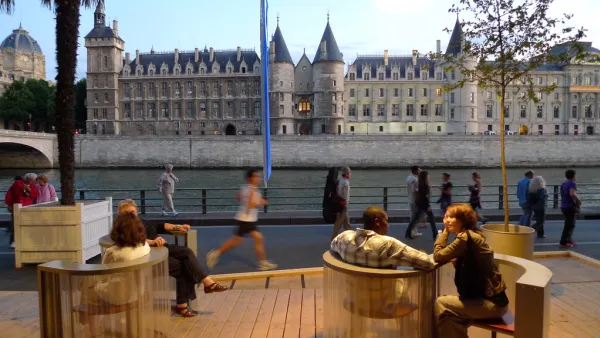
Paris Tests a New Approach to Urban Space
Any visitor from America would think that Paris had found the solution to creating great public spaces and taming the automobile. But the city's new approach to urban space suggests city leaders and residents feel otherwise.
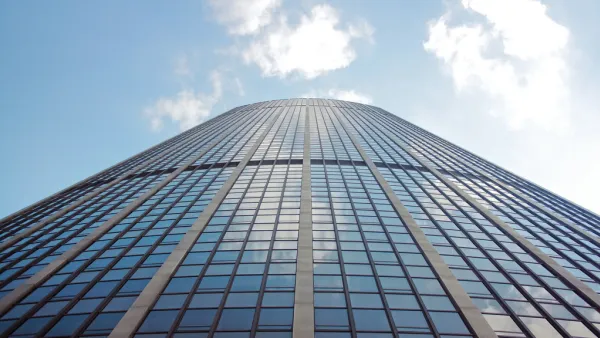
Can Paris's Ugliest Building Win Fans With a New Look?
As the Tour Montparnasse turns 40, the much-despised office tower is getting a makeover. With a new lighting display and plans to replace its windows, the tower is trying to alter its image. But are the renovations likely to change perceptions?
Clean Energy Debacle Pollutes Germany's Climate Efforts
A plan to power Germany entirely on renewable energy is Chancellor Angela Merkel's "most ambitious domestic project". But rising costs to the state, businesses and consumers are straining support for the $735 billion effort.
What Does It Mean to Design a City for Women?
Vienna's two-decade-old quest to better balance access to city resources for men and women - called gender mainstreaming - has resulted in more than sixty pilot projects that are reshaping the Austrian capital.
Amsterdam's 'Scum Village' Gets First Residents
Amsterdam has sent its first family to go live in a ghetto on the east side of the city, now commonly known as "scum village."
Why Cities Should Aim Beyond Carbon Neutrality
Keynote at Future of Cities Forum conference argued that carbon neutrality is not enough, He urged cities to adopt regenerative urban development that mimic natural processes and actively improve the environment.

FREE Course: Walkable City 1: Why Walkability?
After describing his path towards focusing on walkability as the essence of good planning, Jeff Speck marches through his five principal reasons for making more walkable places.
Reinventing Malls: Planning Alchemy—Turning Gray Fields Into Gold
The course focuses on the opportunities and imperatives that shape reinvention of mall sites.

City of Rosemead
Rutgers University, Edward J. Bloustein School of Planning and Public Policy
One Hundred Miles
Hunter College, City University of New York (CUNY)
The Architects Foundation
University of Cincinnati Online
City of Cambridge
Montrose County
The Pocatello Development Authority









