Europe
Tourism's Negative Effects in Italian Art Cities
With about 353 tourists per resident in the historic city center of Venice, many residents are fleeing the crowds and moving onto the mainland, making the city a "monument-attraction," rather than a viable living space.
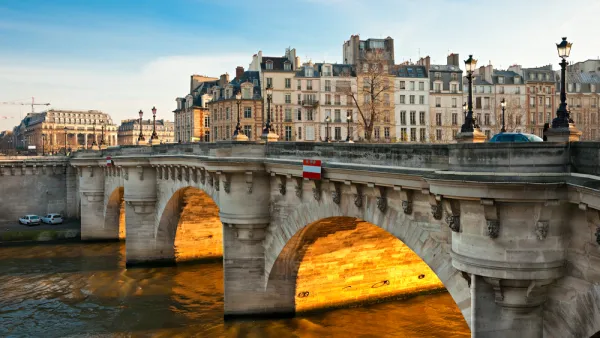
Book Review: 'How Paris Became Paris'
"How Paris Became Paris: The Invention of the Modern City," by Joan DeJean, is full of creative insights on the symptoms of urban modernity as well as bold statements about how Paris came to be one of the world's great cities.
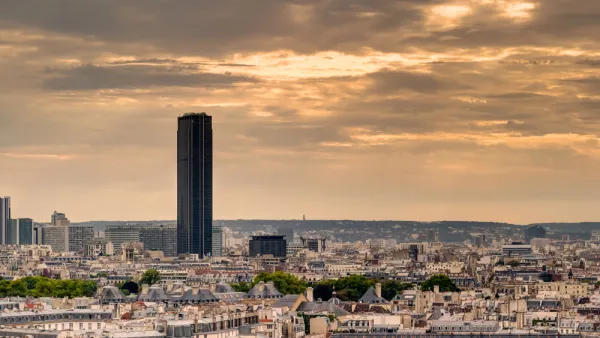
6 'Epic Architecture Fails'
Jason Fargo follows the announcement that the FBI will soon set up shop outside of the infamous and despised J Edgar Hoover Building in Washington D.C. by listing six buildings that residents of cities "love to hate."
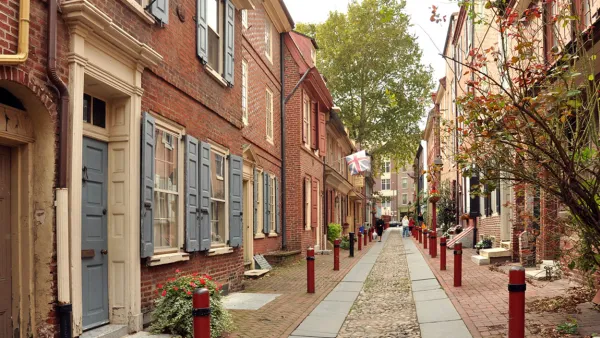
Revisiting the Common Sense Elements of City Life
Chuck Wolfe revisits five instances of how we can learn from the urbanism we already have.
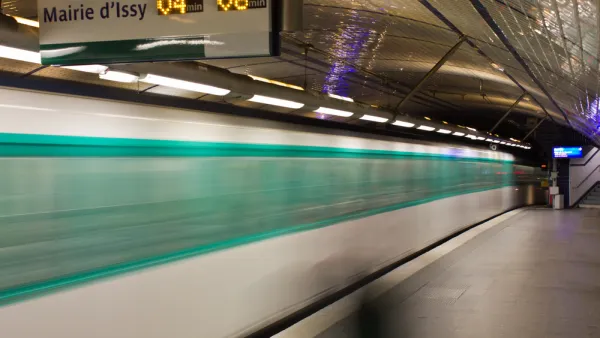
The Value of Fast Transit—Under Construction in Paris
The proposed Grand Paris Express program, which began construction this summer and is expected for completion in 2030, will serve 2 million people a day at "wildly fast speeds." Then there's light rail in the United States.
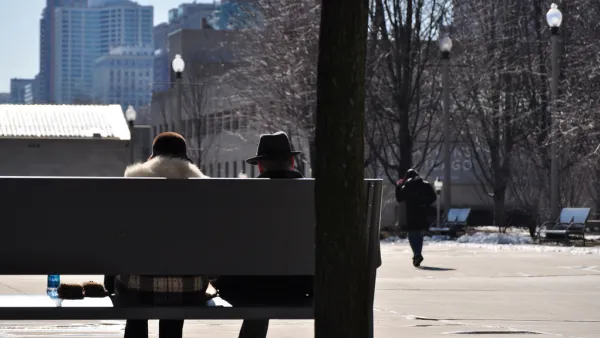
Study: Parks Make for Better People
Tom Jacobs details the findings of a study out of France that finds evidence of what researchers call "green altruism"—or people treating each other better after period of immersion in a natural environment.
Post-Car? Helsinki's Plans for a Tech-Enabled Mobility Network
Helsinki, capital of Finland's, is working to create a "mobility on demand" system that integrates shared and public transit in a single payment network. The idea is that with such a system in place, residents would no longer need cars.
Breaking the Carbon Emissions Cycle in the Transport Sector
Cracking the upward GHG emissions curve in the transport sector has proved exceedingly difficult. Research from Aalborg University in Denmark suggests that in some industrialized societies this may be changing.
World Bank Study Finds Large-Scale Benefits for 'Climate-Smart Development'
A new study by the World Bank examines the benefits for policies addressing clean transportation, energy efficiency in industry, and energy efficiency in buildings in five countries and the European Union.

One Hundred Years of Exposure
An interview with artist and critic Jonathon Keats, who recently implemented a project in Berlin where participants will anchor pinhole "century cameras" around the city to record its changes over a period of 100 years.
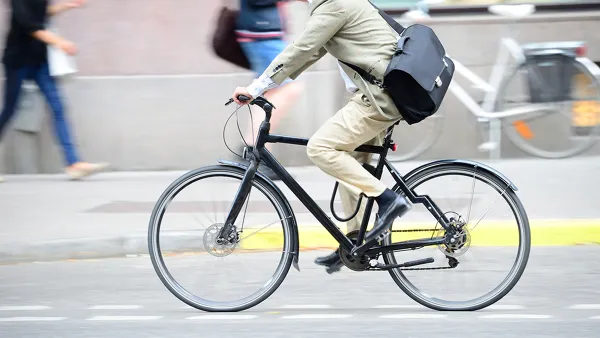
French Employees Get Paid to Bike to Work
French companies attempt to boost bike commutes by paying employees who cycle to work.
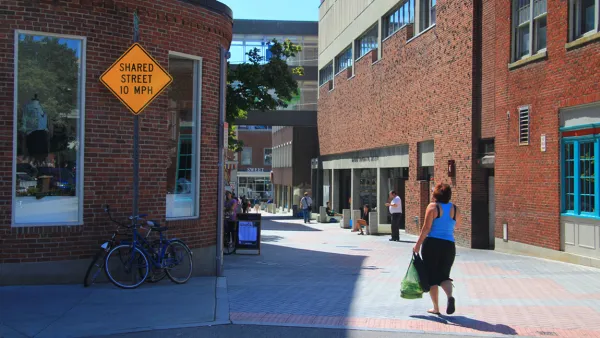
More Cities Adopting 'Naked Streets'
In the second post in an ongoing "Shareable Cities" series, Mike Clay discusses "naked streets"—a democratizing, stripped-down street management concept that removes streetlights, crosswalks, and other signage.
EPA Releases Carbon-Cutting Rule for Existing Power Plants
EPA Administrator Gina McCarthy announced on Monday the long-awaited proposed rule to reduce the largest source of carbon dioxide emissions. It calls for cuts of 30 percent by 2030, with the baseline year of 2005, to be finalized next year.
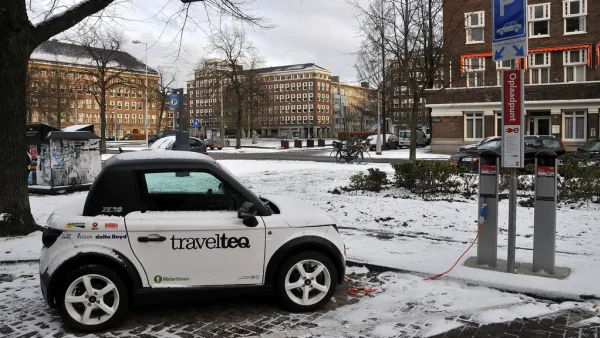
Electric Vehicles Not Welcome in Europe
It may seem odd that the continent of high gas taxes and strong environmental ethos would not take to electric vehicles. Focusing on the news that Renault will delay the release of a new EV, AutoblogGreen explores the poor sales of EVs in Europe.
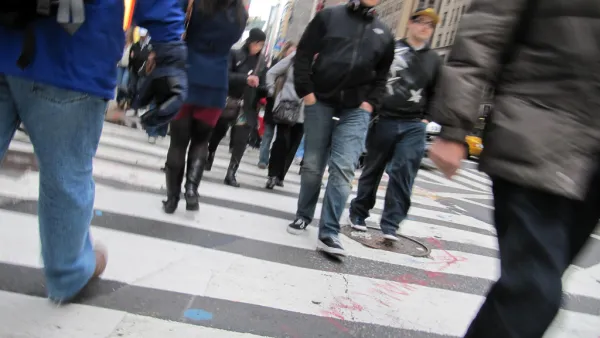
Public Space as Pedestrian Facility: Comparing New York City and Paris
Paris and New York City are two of the world's more successful pedestrian cities, with each boasting several kinds of data that show the predominance of alternative transportation. An article compares public space in each for lessons.

Making Biking Cool for Kids
A three-year bike-to-school initiative in Europe encourages children to bike to school.
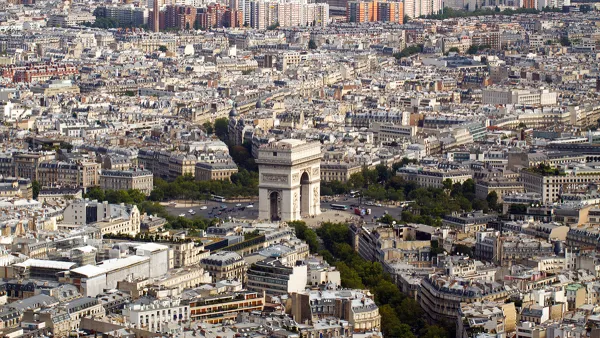
Paris Plans to Adopt Citywide Slow Speed Zone
A blog post by Eric Britton covers Mayor Madame Anne Hidalgo's plans to adopt a 30 kilometer per hour (approximately 20 miles per hour) maximum speed limit in Paris.
Location as Currency: Mapping Apps Will Optimize Indoor Navigation
"Location is the new cookie," says Simon Thompson of Esri, referencing the software in a browser that tracks the websites people visit. Meet the new apps making it happen.
U.S. Coal Exports to Europe Breaking Records
If President Obama is waging a "war on coal," as his critics claim, then Europe must be enjoying a love affair with America's high-carbon fossil fuel, and the most polluting variety at that. How could the world's greenest continent turn so brown?
Madrid To Charge Polluting Cars More for Parking
To deal with its high pollution levels, which rank worse than the EU average, Madrid will implement a new parking fee system that charges more for the most polluting cars. Electric cars will park for free.

FREE Course: Walkable City 1: Why Walkability?
After describing his path towards focusing on walkability as the essence of good planning, Jeff Speck marches through his five principal reasons for making more walkable places.
Reinventing Malls: Planning Alchemy—Turning Gray Fields Into Gold
The course focuses on the opportunities and imperatives that shape reinvention of mall sites.

City of Rosemead
Rutgers University, Edward J. Bloustein School of Planning and Public Policy
One Hundred Miles
Hunter College, City University of New York (CUNY)
The Architects Foundation
University of Cincinnati Online
City of Cambridge
Montrose County
The Pocatello Development Authority









