The publicly held and managed wealth generated by Norway’s taxation of oil and gas extraction now equates to one million Crowns (about $162,000 USD) per capita. Norwegian law only allows the government to draw minimally from this fund every year.


“Everyone in Norway became a theoretical crown millionaire on Wednesday in a milestone for the world's biggest sovereign wealth fund that has ballooned thanks to high oil and gas prices,” reports Alister Doyle.
“Not that Norwegians will be able to access or spend the money, squirreled away for a rainy day for them and future generations. Norway has resisted the temptation to splurge all the windfall since striking oil in the North Sea in 1969.”
"'The fund is a success in the sense that parliament has managed to put aside money for the future. There are many examples of countries that have not managed that,’ said Oeystein Doerum, chief economist at DNB Markets.”
Read the full story: All Norwegians become crown millionaires, in oil saving landmark

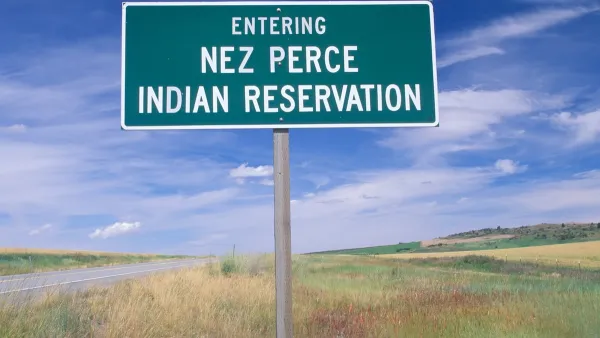
Native American Communities Prepare to Lead on Environmental Stewardship
In the face of federal threats to public lands and conservation efforts, indigenous groups continue to model nature-centered conservation efforts.

Norway’s EV Boom Could Entrench Car Dependency
The Scandinavian country is a pioneer when it comes to EV adoption, but there are downsides.
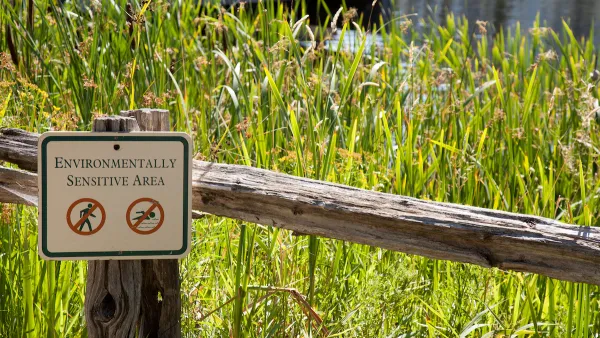
Misuse of Environmental Laws Betrays Their Intent
How laws written to protect natural resources and biodiversity are being reinterpreted by NIMBY groups to block development.

Amtrak, CN end decades-long dispute with eight-year agreement
The new operating agreement establishes an updated framework for the companies to work together, including processes to resolve disputes.

Northwest rail fans eager for Sept. 30 debut of Amtrak’s Airo fleet
Get ready for that new train smell and more seats. But they won’t go faster or run more frequently on the Cascades route in Washington and Oregon.

Judges permit Denver to divert 77,000 acre feet from the Colorado River for reservoir expansion
Overuse and climate change have caused the Colorado River’s water levels to plummet.

NYC to turn city-owned property into thousands of homes
The city has scheduled a public hearing regarding the development for October.

Buses travel at 5mph along this route in NYC. The Bronx's first-ever busway looks to change that
Prior to the busway, buses on the Bx36 route traveled as slowly as 5 miles per hour.

Pittsburg launches 'EZ permits,' aims for one-day turnaround for low-risk permits
The pilot ‘fast lane’ for permits is part of a bundle of modernization efforts for Pittsburg’s permitting process.

FREE Course: Walkable City 1: Why Walkability?
After describing his path towards focusing on walkability as the essence of good planning, Jeff Speck marches through his five principal reasons for making more walkable places.
Reinventing Malls: Planning Alchemy—Turning Gray Fields Into Gold
The course focuses on the opportunities and imperatives that shape reinvention of mall sites.

City of Thousand Oaks
City of Wisconsin Rapids
Harvard University Graduate School of Design
The Architects Foundation
University of Cincinnati Online
The Pocatello Development Authority
The Urban Renewal Agency of the City of Pocatello