Environment
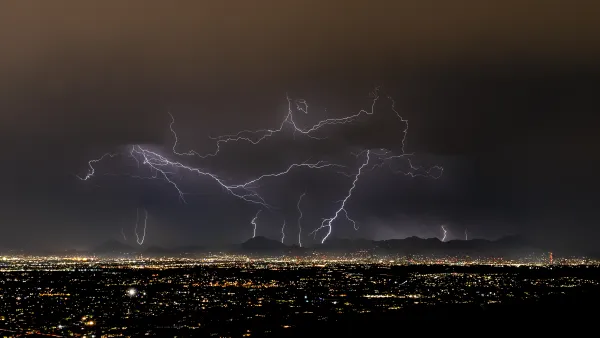
Tucson Braces for Extreme Weather With Climate Action Plan
The desert city faces a growing risk from extreme heat waves and stronger, more unpredictable storms.

Federal Fuel Economy Rules Take Different Path than Emission Standards
The traditional approach for federal fuel economy and emissions standards is for the U.S. Department of Transportation and the Environmental Protection Agency to propose regulations simultaneously. This year is different.

Using Cellphone and Fitness App Data for Park Planning
Data from smartphone apps and fitness trackers are helping planners to better understand park usage patterns and plan for new and improved parks.
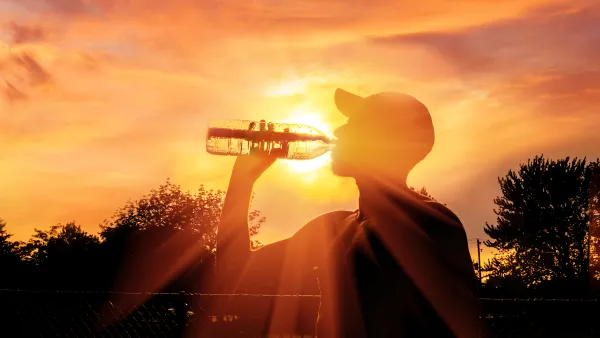
Biden Administration Announces Federal Heat Safety Policies
As extreme heat waves become more common and widespread, the administration is directing federal resources to heat mitigation efforts.
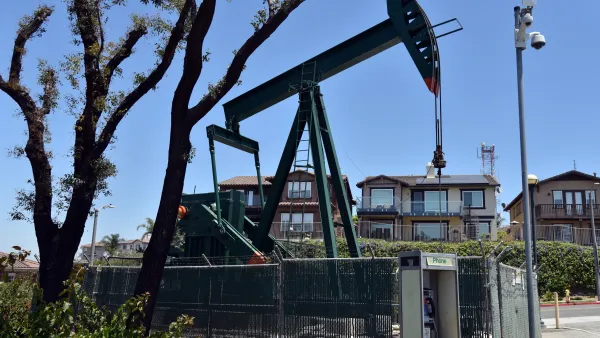
Election 2024: California Oil Drilling Referendum
Environmentalists gear up for battle to reject a referendum funded by Big Oil on a law passed last year that would ban oil and gas drilling within 3,200 feet of homes, schools, nursing homes, and hospitals.
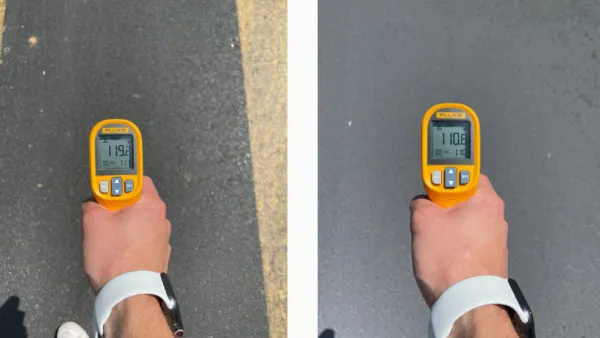
‘Cool Community’ Project Yields Promising Results
A ten-block area in one of L.A.’s most heat-prone neighborhoods saw significant reductions in surface and air temperature thanks to an innovative street treatment that could help communities around the country mitigate the impacts of extreme heat.

State Bill Protects New York’s Community Gardens
The legislation recognizes community gardens as vital urban spaces and an effective weapon against the impacts of climate change on cities.
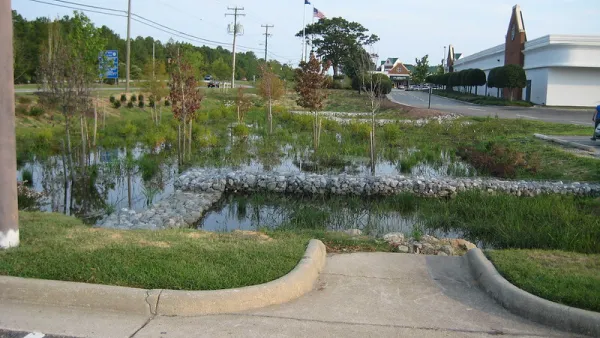
What Is Green Infrastructure?
Green infrastructure harnesses nature to the benefit of the built environment as well as human and animal life.

How to Scale Up Heat Mitigation
As heat waves intensify, cities are seeking out heat mitigation techniques that can be applied widely and benefit entire neighborhoods.
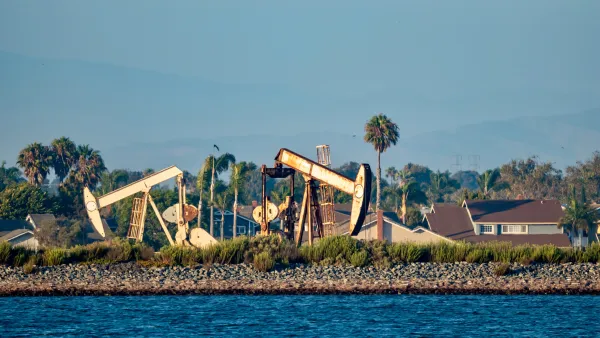
Proposed Regulatory Changes Would Raise the Cost of Oil Drilling on Public Land
The new rules would raise more money for cleanup operations and bring more revenue to oil-producing states, but are a far cry from fulfilling President Biden’s promise to end extraction on public lands.
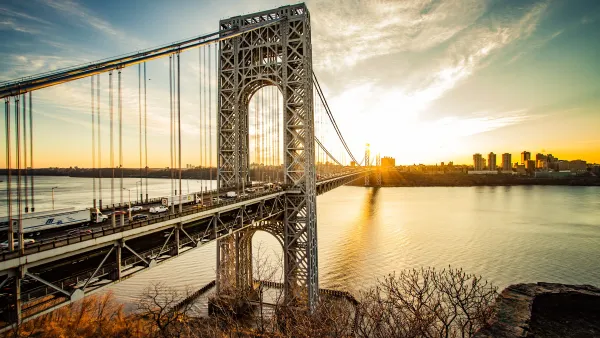
NJ v. U.S. DOT: Cordon Pricing in Manhattan
The State of New Jersey filed a federal lawsuit against the U.S. Department of Transportation on Friday to halt the Manhattan cordon pricing project approved in June by the FHWA, charging that they violated the National Environmental Protection Act.
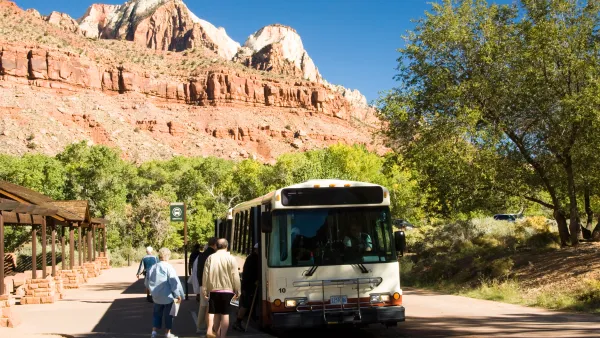
Improving Transit Access to Parks and Trails
Too often, national parks and other recreational spaces in the United States are difficult or impossible to access without a car. Some parks are working to change that.
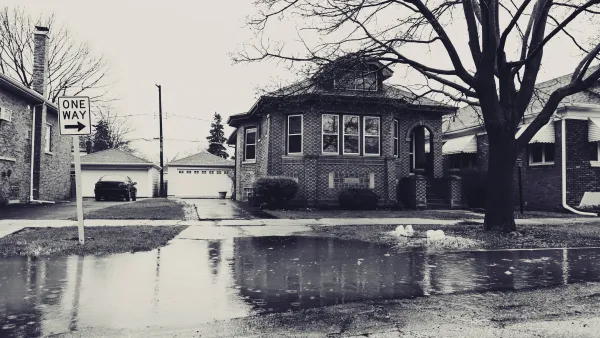
Chicago Flood Mitigation Scrambles to Keep up With Climate Change
The city’s geography and the growing intensity of storms due to climate change are making it difficult for local officials to prevent neighborhood flooding and wastewater spills.
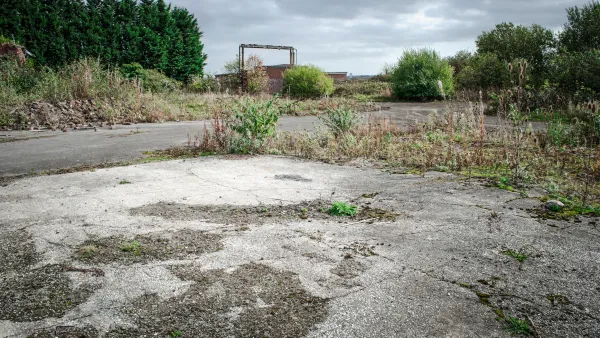
The Double-Edged Sword of ‘Healthfields’
Building hospitals and other health-oriented facilities on former brownfield sites can benefit the community, but can also perpetuate historic inequities and exploit undervalued land at the expense of local residents.

How to ID Urban Wildflowers
Ever wonder what those flowers growing through a crack in the sidewalk are? This guide from Streetsblog has you covered.

Public Lands in the United States, Part Two: The Conservation Turn and ‘America’s Best Idea’
As Western expansion reached its geographic terminus, the U.S. government began tightening rules around land use and designating protected areas such as national parks and wilderness areas, often displacing local Native Americans.
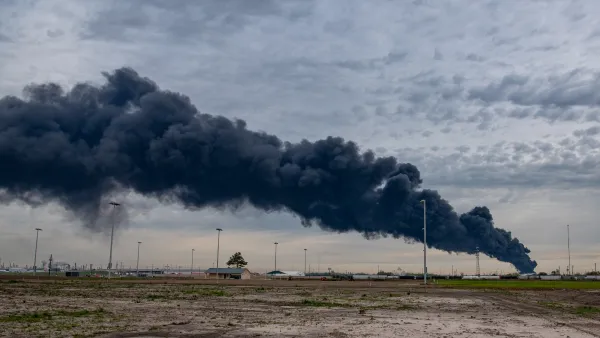
EPA Grant Will Fund Air Pollution Tracking in Houston
The city wants to monitor air quality and measure cancer-causing emissions near two petrochemical plants, one of which announced plans for expansion last year.
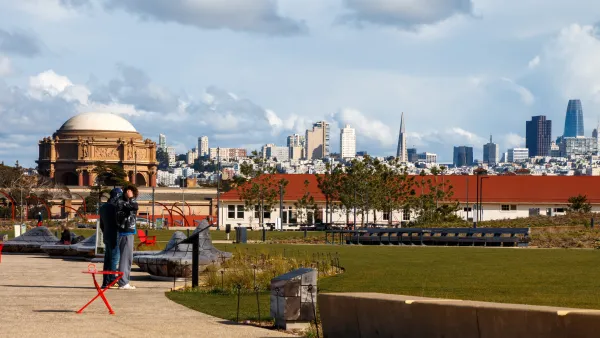
San Francisco’s Tunnel Tops Gets Family-Oriented Expansion
Unlike its flashier, selfie-friendly neighbor, the new Outpost Meadow is designed to provide comfortable space for locals.
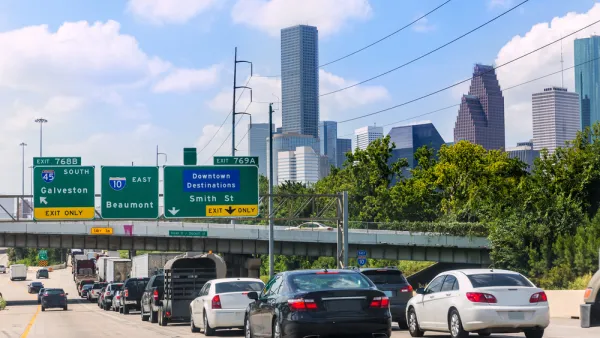
Houston’s Equity Score Leaves Room for Improvement
Houston is an international city, with a diverse population and economy. Its equity indicators, however, are relatively average compared to other U.S. cities.

How Noise Pollution Impacts Nature
Overly loud noise isn’t just a public health risk for humans.

FREE Course: Walkable City 1: Why Walkability?
After describing his path towards focusing on walkability as the essence of good planning, Jeff Speck marches through his five principal reasons for making more walkable places.
Reinventing Malls: Planning Alchemy—Turning Gray Fields Into Gold
The course focuses on the opportunities and imperatives that shape reinvention of mall sites.

Harvard University Graduate School of Design
KFH Group Inc.
Greater Baltimore Committee
The Architects Foundation
University of Cincinnati Online
The Pocatello Development Authority
The Urban Renewal Agency of the City of Pocatello