Environment
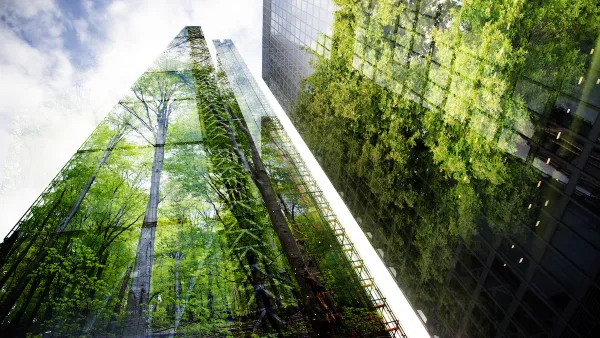
‘Biourbanism’ Combines Nature and Data to Boost Resilience
The concept of biourbanism views cities as natural systems, but brings a data-driven approach to quantifying and mitigating the impacts of climate change.
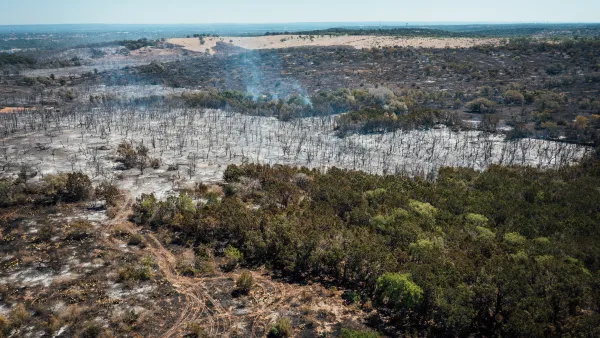
As Central Texas Population Grows, So Does Fire Risk
Sprawl in and around Austin is contributing to growing wildfire risks, and local officials worry about a lack of public awareness of the issue.

How Small Cities Can Prepare for Extreme Heat
Without the resources of larger cities, towns with fewer resources can still work to coordinate efforts across agencies and plan for heat events early in the year.
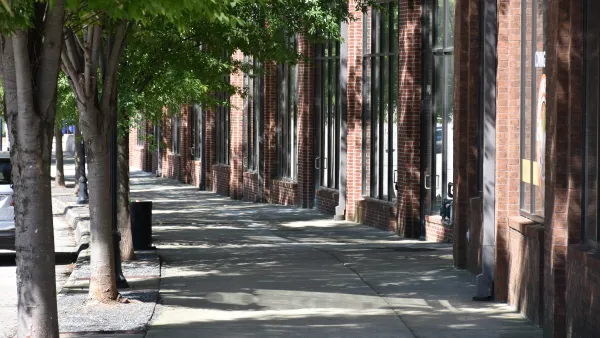
Cool Walkability Planning
Shadeways (covered sidewalks) and pedways (enclosed, climate controlled walkways) can provide comfortable walkability in hot climates. The Cool Walkshed Index can help plan these facilities.
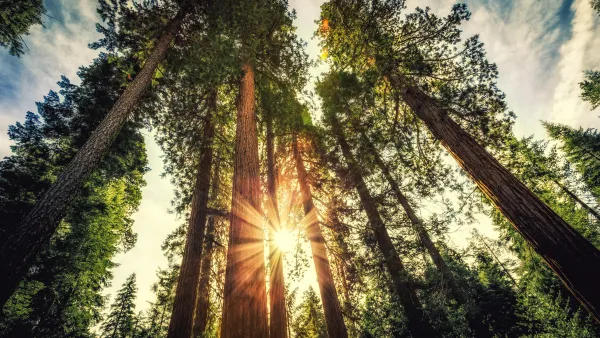
Public Lands in the United States, Part One: “Redeemed From Wilderness”
This is part one in a blog series examining the history of public lands in the United States and their shifting role in the American psyche.
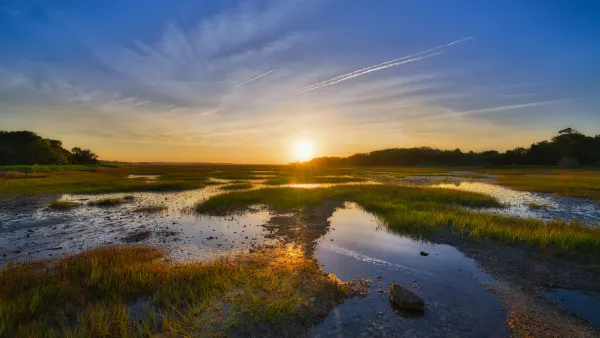
Supreme Court Limits Clean Water Act’s Power
A recent ruling ‘dramatically’ restricts the law’s reach when it comes to protecting wetlands.
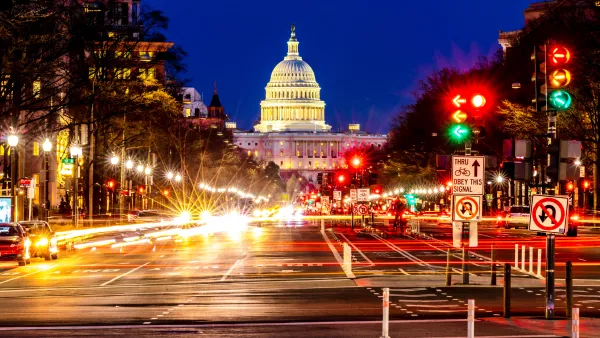
D.C. Residents Fight Light Pollution
New LED lighting has raised concerns about the health and environmental impacts of excessive or harsh lighting.
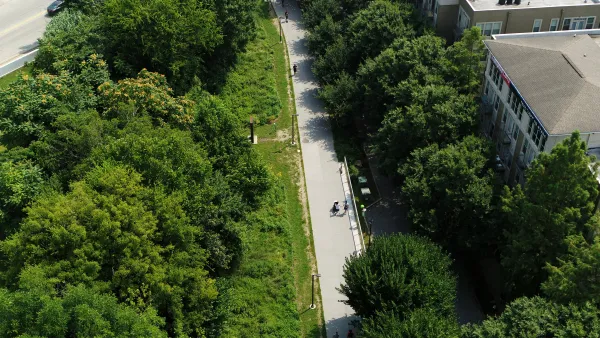
Trees Beautify Segment of Atlanta’s BeltLine
A local nonprofit planted 500 trees along a previously unimpressive segment of the bike and walking trail, creating an ‘instant forest’ effect.
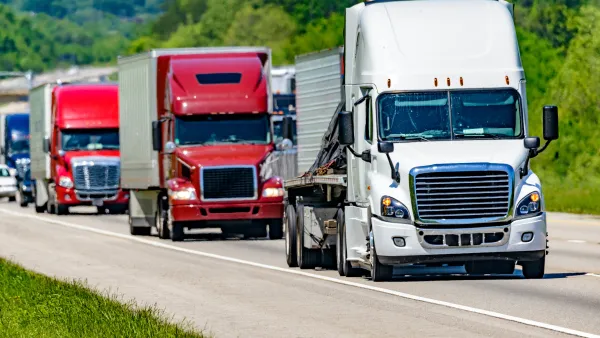
Biden's Truck Pollution Rule Hanging by a Thread
Four House Democrats joined all but one Republican to enact the Congressional Review Act to roll back President Biden's rule on heavy truck pollution approved by the EPA last December. The Senate had earlier narrowly passed the joint resolution.
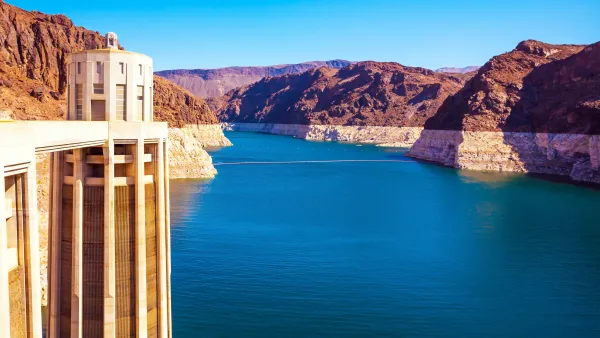
The New Colorado River Deal: An Explainer
According to one analyst, the agreement approved by the states doesn’t go nearly far enough to protect the river in the long term.
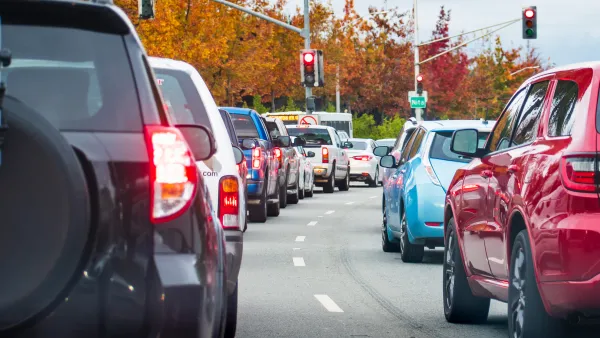
Research Indicates the Large Potential Benefits of Parking Cash-Out Laws
‘Free’ employee parking increases driving. Parking cash-out laws reward commuters who use climate-friendly modes, which increases fairness and reduces traffic problems.
Through the Eyes of a Journalist: Megan Kimble Reflects on Covering Food Systems, Zoning Changes, and Highway Projects in the Southwest
Kimble’s interest in topics related to urban planning spawned from research and writing about food systems in the borderlands of Arizona. She then moved to Austin in the midst of the city’s update of its Land Development Code.
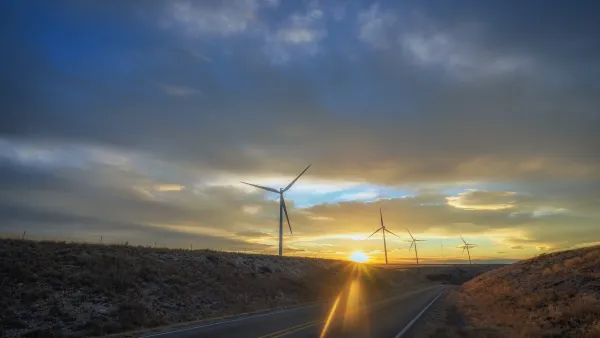
New Power Transmission Line Approved in the Southwest
The proposed transmission line will transfer wind-produced power from New Mexico to cities in Arizona and California.
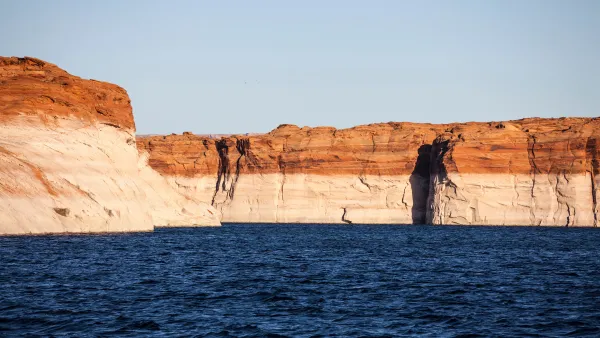
States Reach Consensus on Colorado River Deal
The seven states along the Colorado River basin are in agreement over proposed water cuts over the next three years to preserve dangerously low reservoirs.
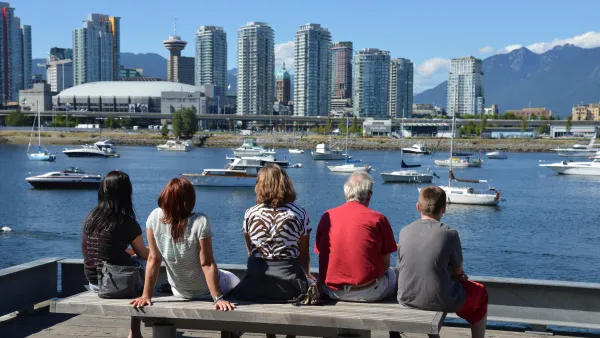
Ten Signs of a Resurgent Downtown
In GeekWire, Chuck Wolfe continues his exploration of a holistic and practical approach to post-pandemic urban center recovery, anchored in local context and community-driven initiatives that promote livability, safety, and sustainability.
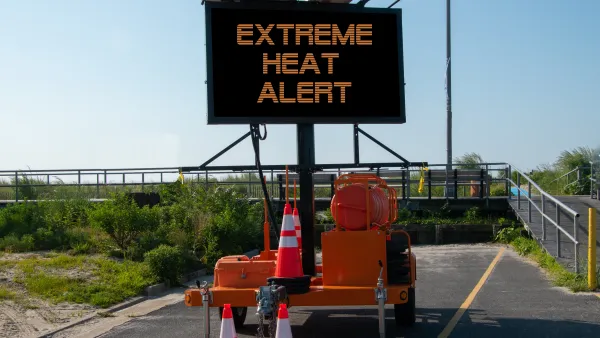
How Hot is Too Hot?
While they may not sound extreme, temperatures over 90 degrees can easily pose fatal risks and could have long-term impacts on public health.
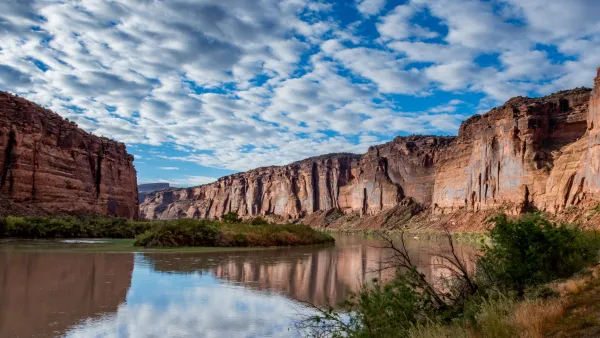
Lower Basin States Closer to Agreement on Colorado River
After a year of contentious negotiations, Western states dependent on the river’s water supply are nearing a deal that would reduce water use significantly over the next three years.
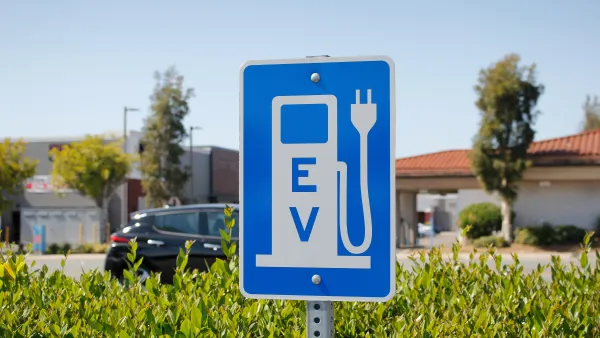
Plan for U.S.-Canada EV Corridor Announced
U.S. and Canadian officials revealed plans for an electric vehicle charging network that will connect Kalamazoo and Quebec City with EV chargers every 50 miles.
Minneapolis to Begin Environmental Review in Response to 2040 Plan Lawsuit
After environmental groups sought to stop the city’s ambitious comprehensive plan, Minneapolis is looking for ways to resume its implementation.
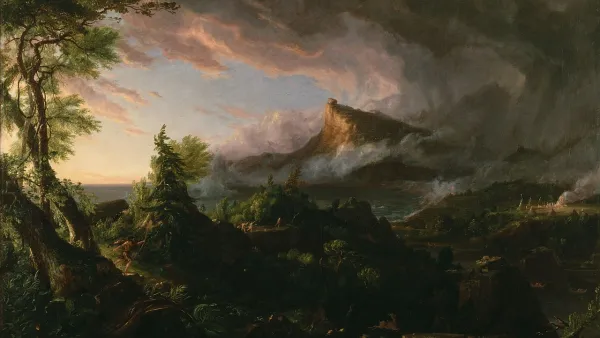
Planning for a Post-Climate World
A series of 19th century paintings that illustrates the rise and fall of empire highlights the limits of growth.

FREE Course: Walkable City 1: Why Walkability?
After describing his path towards focusing on walkability as the essence of good planning, Jeff Speck marches through his five principal reasons for making more walkable places.
Reinventing Malls: Planning Alchemy—Turning Gray Fields Into Gold
The course focuses on the opportunities and imperatives that shape reinvention of mall sites.

City of Rosemead
Rutgers University, Edward J. Bloustein School of Planning and Public Policy
One Hundred Miles
University of Michigan School for Environment and Sustainability (SEAS)
Hunter College, City University of New York (CUNY)
The Architects Foundation
City of Cambridge
The Pocatello Development Authority
The Urban Renewal Agency of the City of Pocatello









