Energy
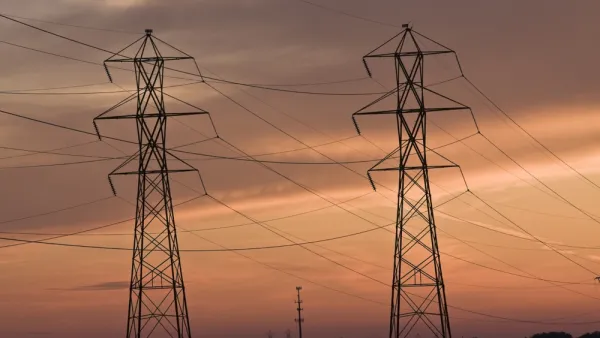
Cryptocurrency Goes in Search of Cheap Power, Finds it in Small-Town America
Some of the least expensive electricity in the country can be found in Upstate New York, where cryptocurrency miners are starting to set up shop—with or without local approval.
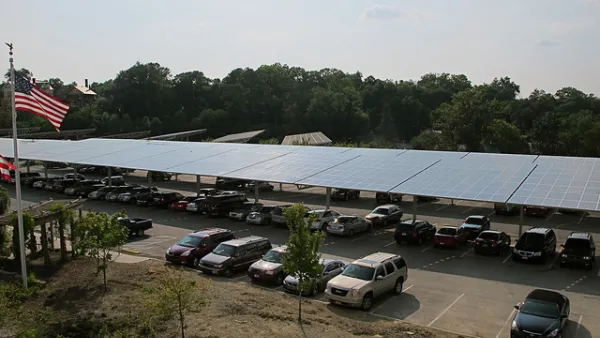
As Climate Shifts, Cincinnati Mayor Boosts Solar Investments
The Ohio city recently announced a plan to build the nation's largest municipally owned onsite solar array. The plan builds on a decade of increasingly ambitious climate action.
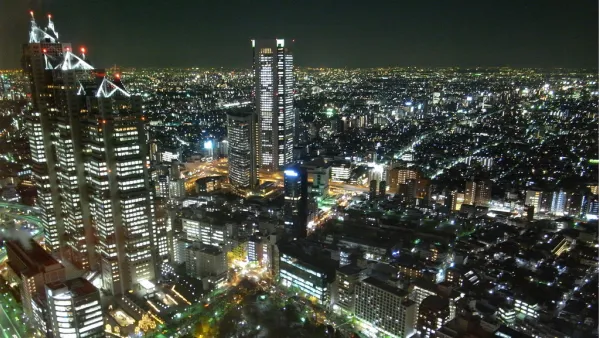
Energy Demand and Carbon Emissions Increased in 2017, Just Not Everywhere
The International Energy Agency found that China and India were responsible for 40 percent of the increased energy demand. The biggest decrease in carbon dioxide emissions came from the U.S., largely due to increased use of renewables.
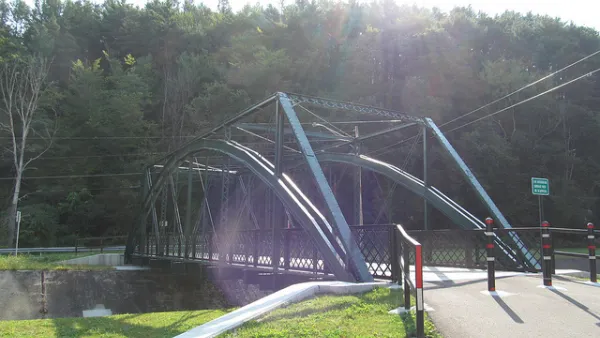
Allegheny River Town Debates Fracking Water Treatment Plant
Opponents cite environmental risks, supporters hope the facility will boost the economy of a struggling community.
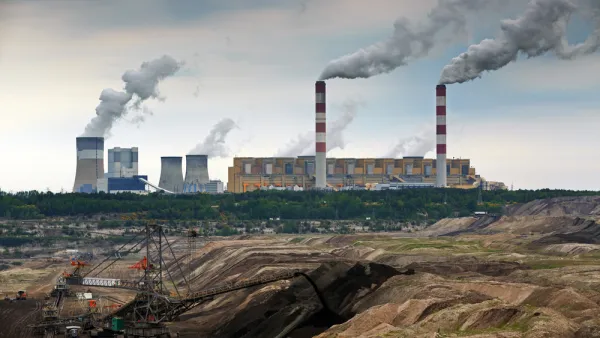
How Green Is Your Electric Vehicle?
Check the fuel source before making any assumptions.
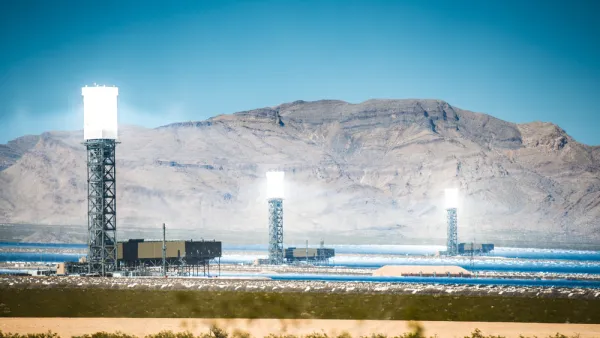
U.S. Solar Continues to Grow Despite Headwinds from Federal Government
Industry experts say that the Trump Administration has slowed and will continue to slow the expansion of U.S. solar, but expect solar to grow nevertheless.
Congress Asks that USGS Nominee 'Protect the Scientists'
After recent resignations, there's a new part of the job description: "maintain a sort of firewall between their scientific work and any political agendas."
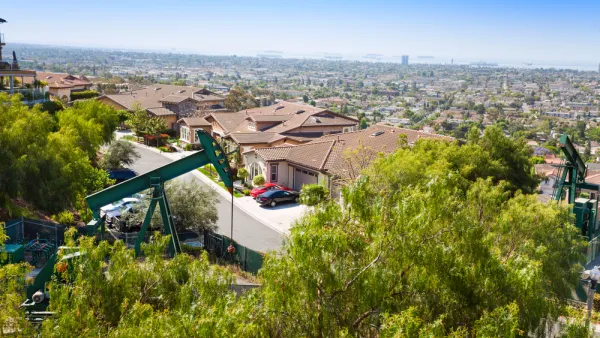
Study: L.A. County's Urban Oil Wells Are Too Close to Homes and Schools
The Department of Public Health recommends taking action to better protect residents from oil operations that are sometimes only a few feet from where people live, work, eat, play and study.
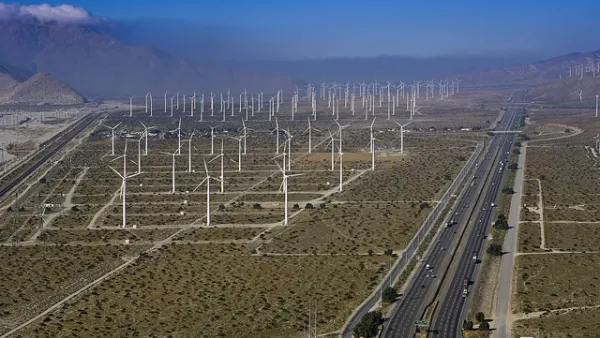
How We Can Better Integrate the Energy Industry into Eco-Friendly Planning
There are plenty of opportunities to green the world's energy production and consumption infrastructure, but it will take good planning.
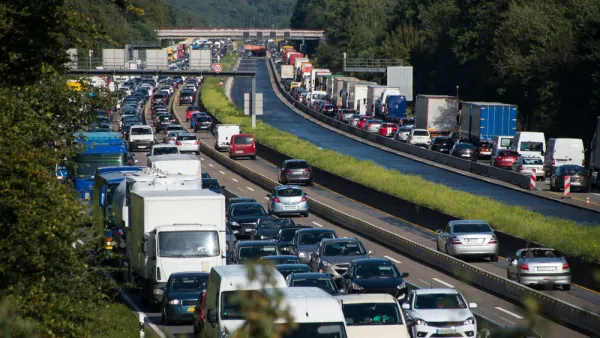
EPA Releases Draft Greenhouse Gas Inventory, 1990 to 2016
The inventory, a requirement from a 1992 U.N. treaty, shows emissions from most sectors are either decreasing or holding steady. The major exception: transportation.

Report Details the Long-Term Financial Benefits of Green Design
This report estimates that U.S. cities could save half a trillion dollars by investing in "smart surface technologies." The study takes into account obvious factors like energy use and less intuitive ones like tourism revenues.
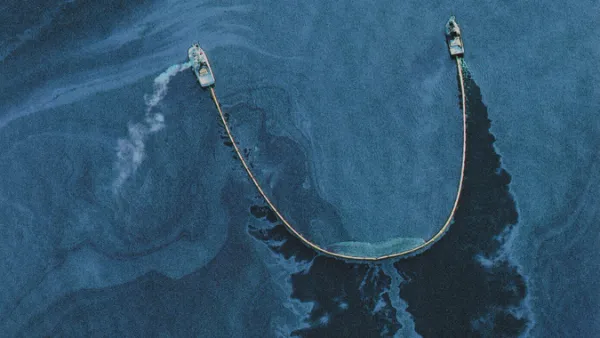
Oil Spill Liability Trust Fund Reenacted
Unlike Trump's suggested quarter-per-gallon gas tax, this 9-cents-per-barrel tax is real. Like the gas tax, it goes to a trust fund, to respond to oil spills rather than build and maintains roads. While small, it brings in $500 million annually.
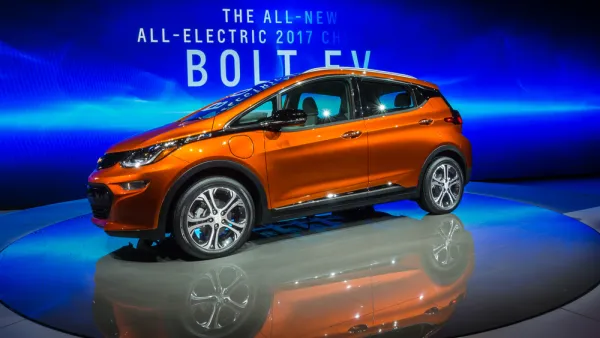
Where's the Interest in Electric Vehicles?
Policymakers, auto manufacturers, and especially advocates are very engaged in transitioning from fossil fuel-powered vehicles to electric vehicles. The problem is that interest isn't shared by the general public, according to research by UC Davis.
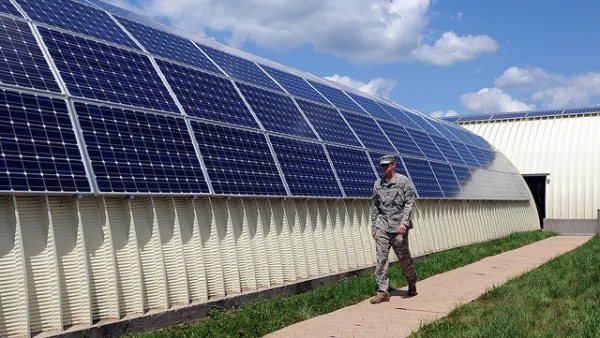
It's Rural vs. Urban in Kentucky's Anti-Solar Energy Bill
A bill that would cut back on the feed-in tariffs paid by utilities to solar panel owners in Kentucky.
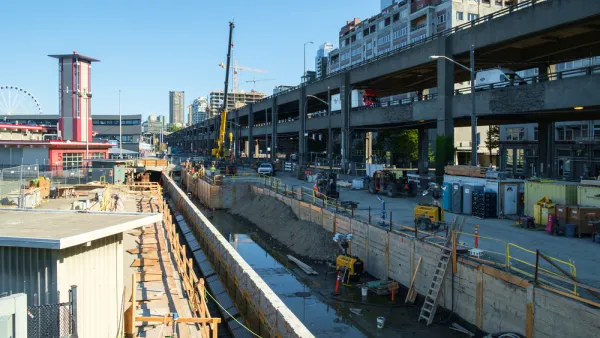
When the U.S. Economy Is 'Too Strong' to Spend on Infrastructure
A low unemployment rate means major investments by the federal government could ultimately harm the economy.
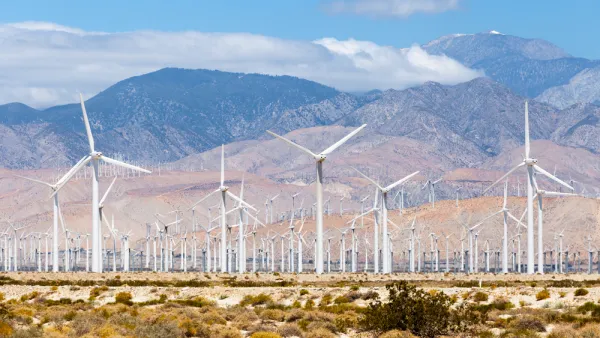
Federal Plan for Renewable Energy Development in the California Desert on Trump's Cutting Board
The issue of wind and solar energy development has always been a hot button in the California desert, and the Trump Administration just pressed it.
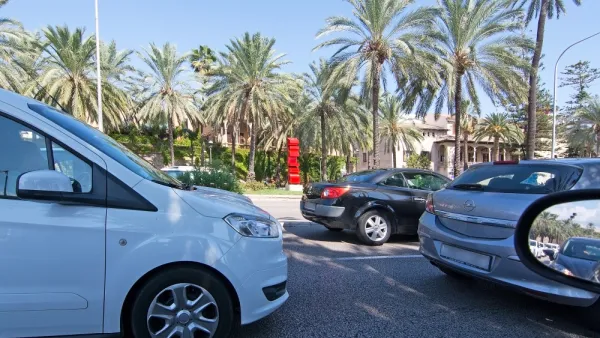
Rental Cars Will Be 100% Electric by 2030 in Spain's Balearic Islands
The government of the Balearic Islands drafts new law that requires rental car companies to phase out fossil fuel vehicles and to switch to a 100% electric fleet by 2030.

Will Anybody Drill for Oil in the Pacific Northwest, Now That They Can?
Now that the Trump Administration has reopened the U.S. coastlines to oil and gas extraction, it's unclear whether anyone will take up the opportunity in the Pacific Northwest.
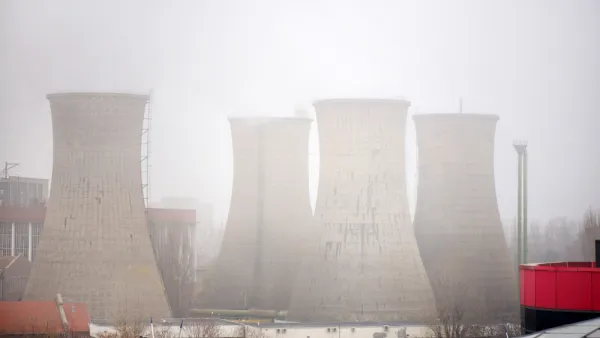
South Carolinians Still on the Hook for Failed Nuclear Plants
“It has to be one of the greatest wastes of money in any state’s history,” Alan Greenblatt writes.
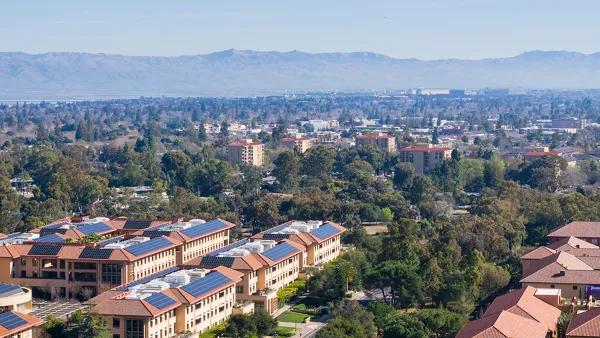
New Tariffs Will Shake Up the Solar Industry
The first protectionist policies implemented by the Trump Administration, a key part of the president's campaign platform, will affect the renewable energy industry.

FREE Course: Walkable City 1: Why Walkability?
After describing his path towards focusing on walkability as the essence of good planning, Jeff Speck marches through his five principal reasons for making more walkable places.
Reinventing Malls: Planning Alchemy—Turning Gray Fields Into Gold
The course focuses on the opportunities and imperatives that shape reinvention of mall sites.

City of Rosemead
Rutgers University, Edward J. Bloustein School of Planning and Public Policy
One Hundred Miles
University of Michigan School for Environment and Sustainability (SEAS)
Hunter College, City University of New York (CUNY)
The Architects Foundation
City of Cambridge
Montrose County
The Pocatello Development Authority









