Energy

Remembering the Weather of Winters Past
The measurable effects of climate change are a tangible reminder of trends over time that otherwise can be hard to recall.
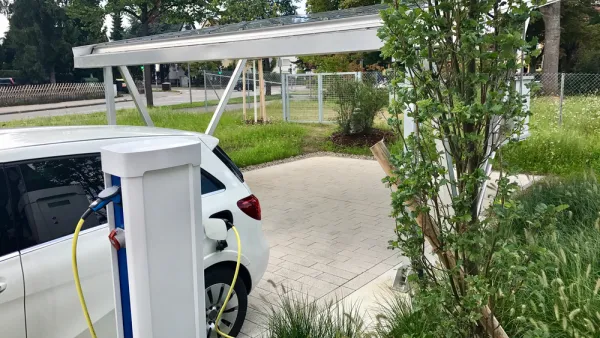
2020 Energy Infrastructure Predictions
Planners can expect changes in the energy industry to influence preparations for the future of cities and communities.

Southern States Lagging in Addressing Climate Change
Cities in the South are facing a multitude of climate change impacts, but many have been slow to respond to the growing threats.
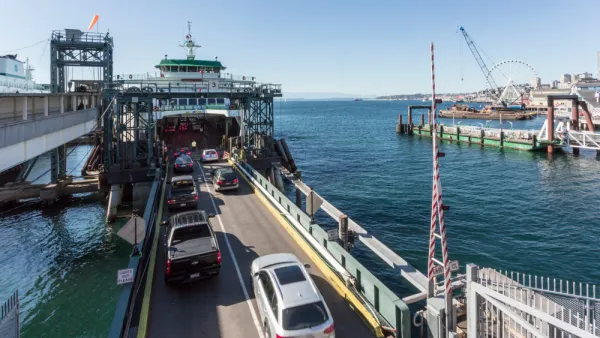
Washington Attempts to Adopt a Cleaner Cars and Clean Fuels Programs
A Pew Stateline article tackles the challenges of reducing carbon emissions from transportation compared to electricity generation and looks at recent initiatives announced by Washington Gov. Jay Inslee aimed at decarbonizing transportation.
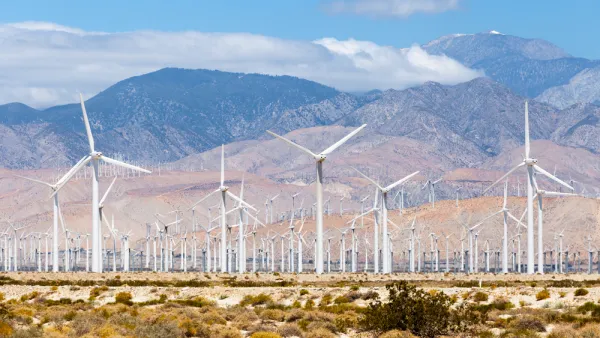
Overcoming the Obstacles of Land Use for Renewable Energy
Renewable energy, both wind and solar, takes up a lot of space in places that aren't accustomed to industrial development. Policymakers need strategies and tactics for overcoming the inherent land use challenges presented by renewable energy.

Exploratory Scenario Planning, Explained
Planners don't need fancy software to prepare for an uncertain future. Exploratory scenario planning promises a more aware, adaptive, and resilient planning profession.
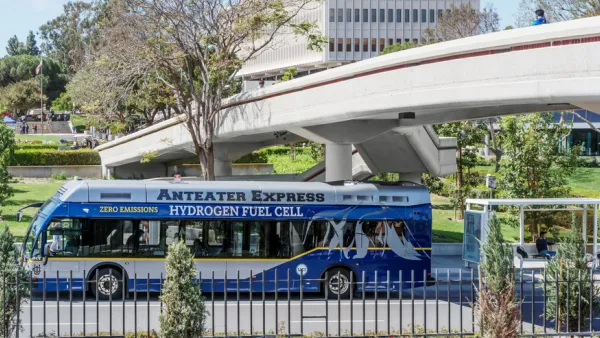
Can Hydrogen Make a Comeback?
While hydrogen fuel cell electric vehicles are much less popular than their battery-powered siblings, California remains committed to the zero-emission technology, with three state agencies investing in and monitoring its progress.
New Jersey Has a Plan to Shift to Clean Energy, but Questions Remain
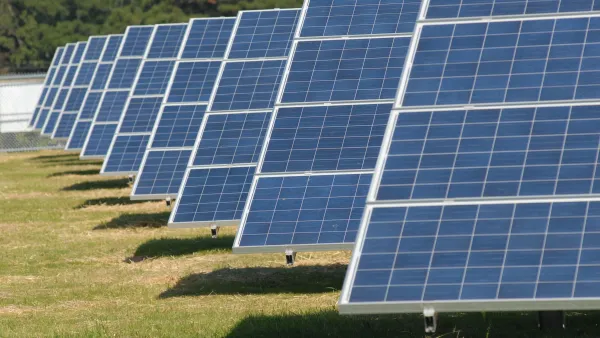
The state’s energy plan focuses on the move to renewable energy, but specifics about how that will happen and what the costs will be need to be pinned down.
The Congressional Budget Cut Clean Energy Tax Breaks
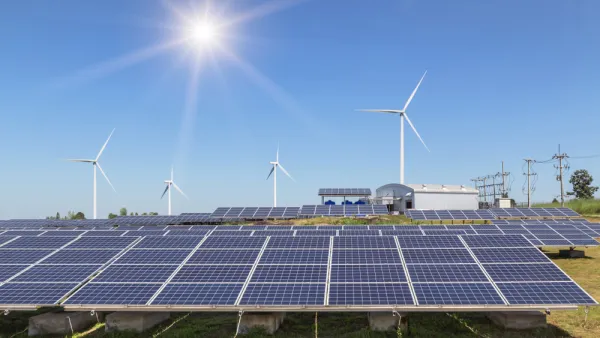
The consequences of the Congressional budget approved at the end of 2019 can be measured in millions of tons of greenhouse gas emissions.
Decline in Coal-Fired Power Reduces U.S. Carbon Emissions in 2019
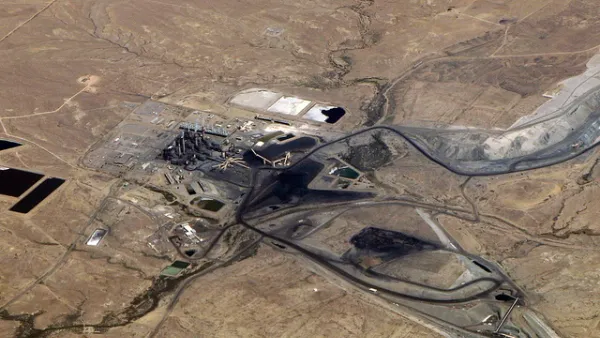
The energy sector produced ten percent less carbon emissions in 2019 than the previous year—the largest drop in decades. Still, the decline of the coal industry is not enough to meet the goals of the Paris Climate Accord.

Opinion: Car Culture Will Shift in the Next Decade
Cars and vehicle emissions are undoubtedly central to the climate change problem. The solution, however, might not be cleaner vehicles but rather a drastic change in our relationship to automobiles and driving.
Technology Might Not Save Us
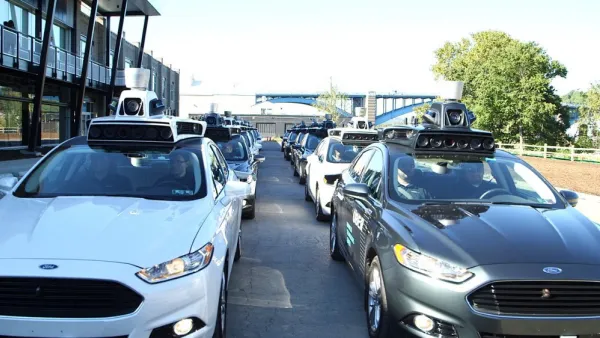
In the absence of more enlightened policies, technological change is as likely to increase pollution as to decrease pollution.

LEDs, Downward Lights Changing the Night in Chicago
The nighttime illumination of Chicago is almost finished with a complete overhaul of its streetlights, producing a dramatic effect in the nighttime environment of the city.
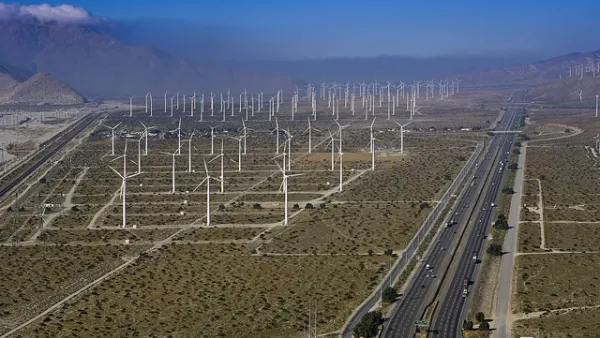
Global Cost of Transitioning to 100 Percent Renewable Energy: $73 Trillion
A report by researchers from Stanford University says the cost of transitioning the world to entirely renewable energy production would pay for itself in seven years and add a net positive amount of jobs measured in the millions.

Washington State to Transition to Battery Electric Ferries
Washington's largest diesel emissions polluter will transition its fleet to diesel-hybrids and then to battery-electric propulsion to comply with Gov. Inslee's emissions-reduction executive order which will also please the orcas in Puget Sound.
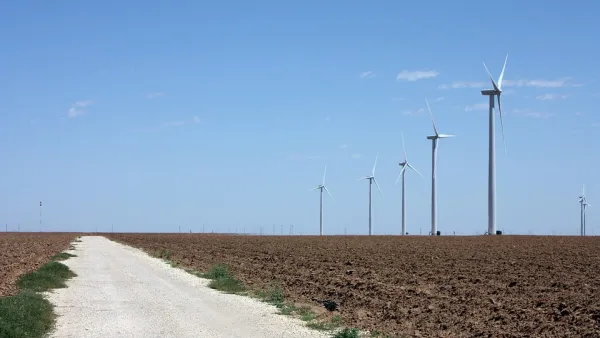
Trump Tilts at Windmills
The media raised their collective eyebrows at statements made by President Trump about wind energy at an event this week.
Green Hydrogen, Plus Storage, Key to Los Angeles' Plan for Carbon-Free Electricity
The Los Angeles municipal utility will convert a Utah coal power plant to run on natural gas in 2025. According to a proposal unveiled Dec. 10, the plant will incrementally be converted to run entirely on hydrogen, a zero-emission fuel, by 2045.
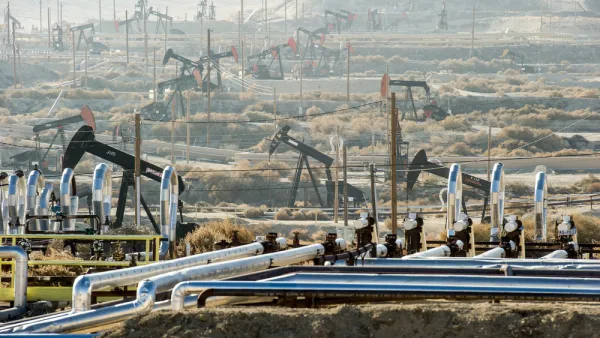
Gov. Newsom's Phase-out of Oil Production Prompts Backlash in Kern County
Almost 80% of oil extraction in the nation's sixth largest oil-producing state occurs in Kern County. Supervisors see the California governor's climate plan to reduce oil production as a threat to the county's economic well-being.
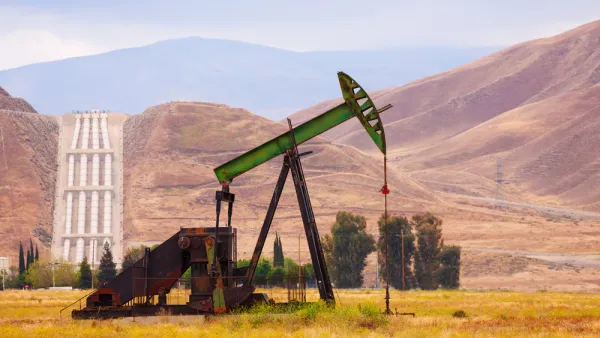
New Oil and Gas Drilling in California May Be Subject to Moratorium
Gov. Gavin Newsom pleased environmentalists by doing what his predecessor, Gov. Jerry Brown, refused – halting all new oil and gas fracking and placing a moratorium on another extraction method linked to a massive oil spill in Kern County.
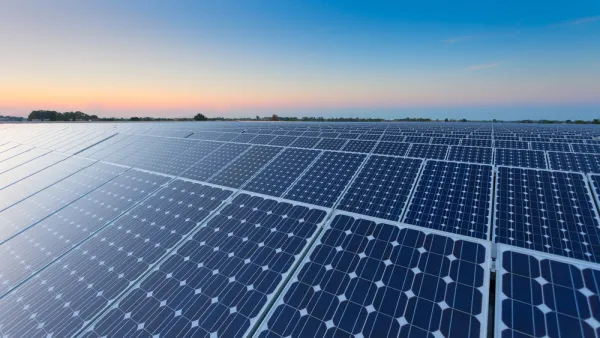
L.A. County Plans for Electrification
Los Angeles County's Minh Le discusses the county's priorities for moving forward with recent technological advancements in solar and energy storage.

FREE Course: Walkable City 1: Why Walkability?
After describing his path towards focusing on walkability as the essence of good planning, Jeff Speck marches through his five principal reasons for making more walkable places.
Reinventing Malls: Planning Alchemy—Turning Gray Fields Into Gold
The course focuses on the opportunities and imperatives that shape reinvention of mall sites.

City of Rosemead
Rutgers University, Edward J. Bloustein School of Planning and Public Policy
One Hundred Miles
University of Michigan School for Environment and Sustainability (SEAS)
Hunter College, City University of New York (CUNY)
The Architects Foundation
City of Cambridge
Montrose County
The Pocatello Development Authority









