Community / Economic Development
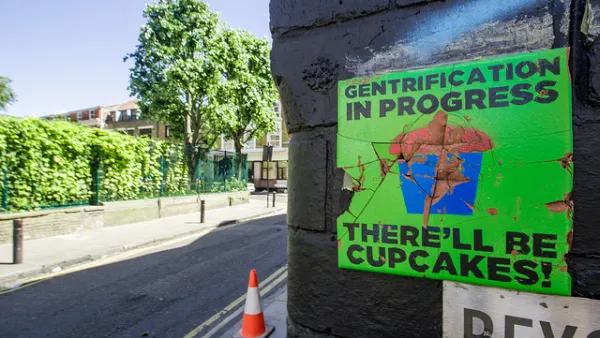
What Is Gentrification?
Gentrification is a process of neighborhood change, usually resulting from an influx of relatively wealthy, white residents to a neighborhood. But that definition, and the controversies that follow, vary greatly by location, and there is no universally accepted definition of the term.
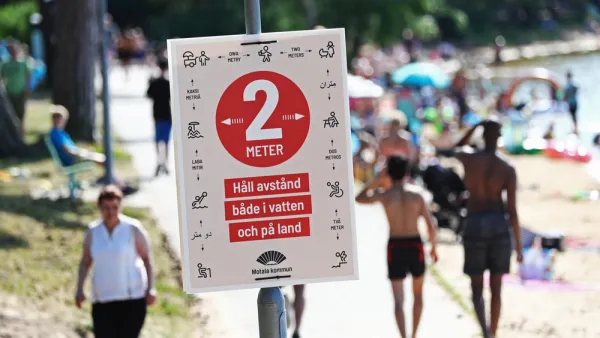
Pandemic Update: Sea Change in Sweden
The European outlier of Sweden was embraced by American conservatives as an example of a government relying not on heavy-handed business and social restrictions but voluntary compliance by individuals to reduce viral spread. No longer.

City of Compton Introduces Two-Year Guaranteed Income Pilot
Proponents of universal basic income and general income programs say direct cash payments to low-income residents would reduce inequality and alleviate poverty.
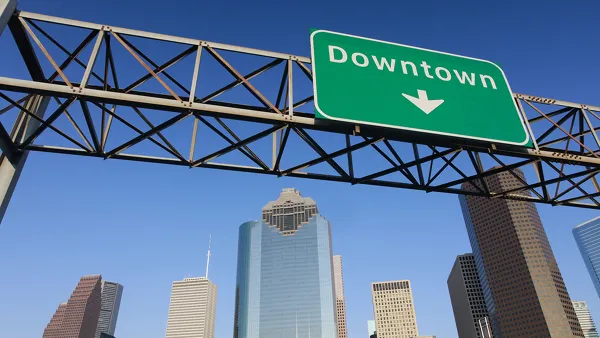
Fifth Ward Residents Oppose Houston's Interstate Expansion
The downtown freeway expansion will displace thousands of housed and unhoused residents and hundreds of small businesses.
Economic Justice Includes Highway Removals
A $435 billion "economic justice" bill proposed by Democrats in the U.S. Senate includes $10 billion for projects that remove highways and build community-oriented assets in their place.
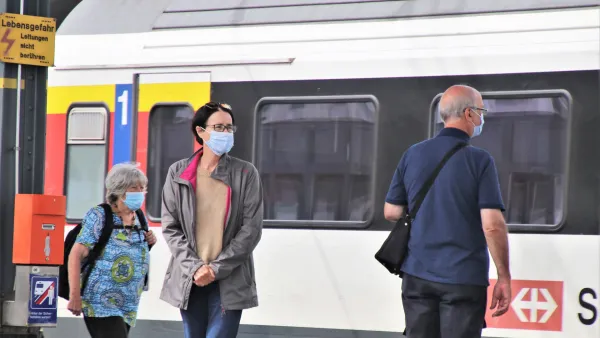
Transportation Equity Lessons from the Pandemic
Almost a year into the devastating effects of the COVID-19 pandemic, the Urban Institute assesses what we've learned about transportation equity—and what these lessons mean for the future.
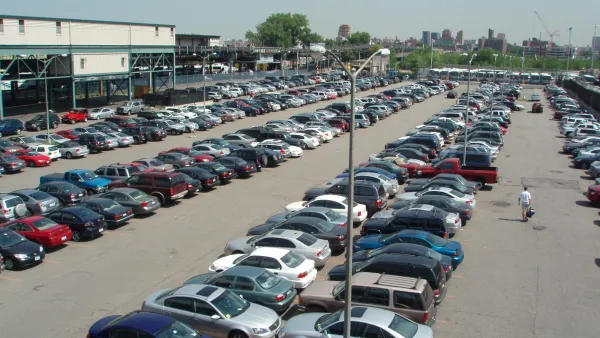
Is the Era of Over-Parking Over?
Cities like Vancouver are rethinking parking minimums as they try to meet climate goals, reduce traffic, and reallocate street space to other modes.
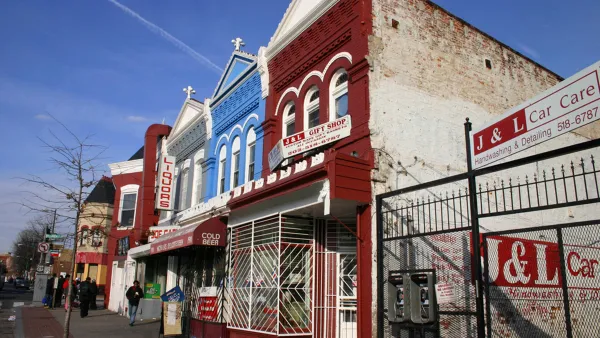
Is Anti-Growth the Wrong Approach to Fighting Gentrification?
Limiting development has been a powerful tool for anti-gentrification activists, but have these policies had counter-productive effects?
Small Towns Provide Fertile Ground for Smart Urbanism
One Virginia town's complete streets transformation shows promise for active transportation interventions in small communities.
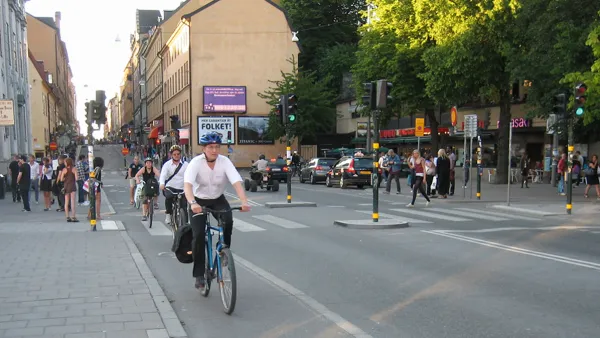
Sweden's 'One-Minute City' Reimagines the Street at a Hyper-Local Level
Rather than trying to meet all of a community's needs within a one-minute radius, Sweden's Street Moves pilot program gives residents the power to decide how street space gets used.
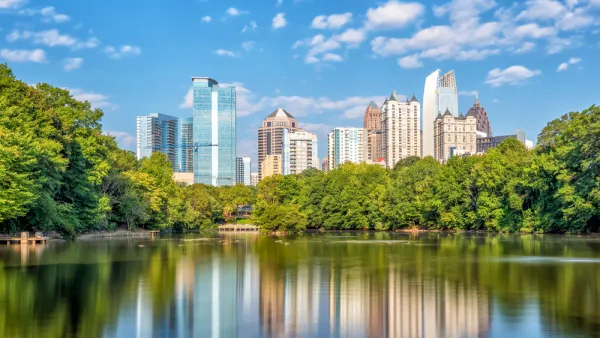
The Blue Beltway
Ronald Brownstein, a senior editor at The Atlantic, coins a new political-geographic term in the wake of the Georgia U.S. Senate runoff elections to describe a shift in the political alignment of nearly all large metropolitan areas in the nation.
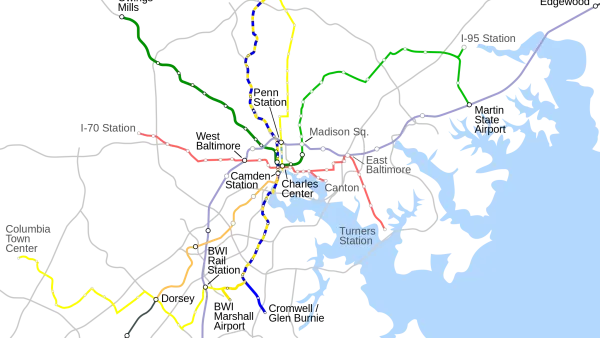
Report Highlights the Need for Local Governance in Baltimore Transit
The unique structure of the Maryland Transit Administration leaves local stakeholders out of decision-making.
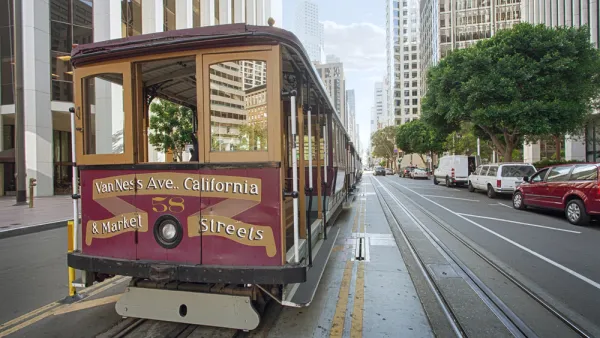
What Will California's Commutes Look Like After COVID-19?
As the pandemic begins to wind down, Santa Clara Valley Transportation Authority's Deborah Dagang speculates on the future of commuting, traffic, and public transit as Californians slowly return to their travel routines.
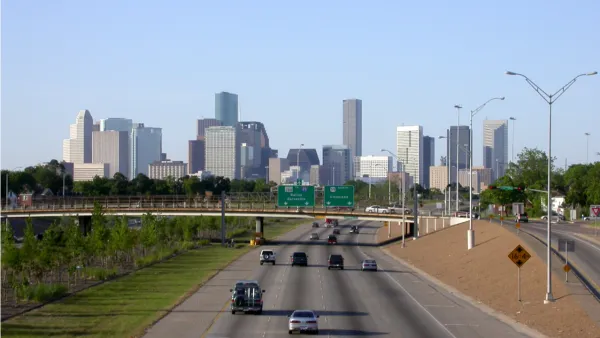
From Dumps to Solar Farms, One Houston Neighborhood Is Planning its Own Future
After decades of fighting landfills and pollution in their community, residents of Sunnyside are working to build a more sustainable future.
What Biden's First 100 Days Will Look Like for Transportation
The new administration's policies are likely to promote clean energy and equity goals and focus resources on maintenance of existing infrastructure.
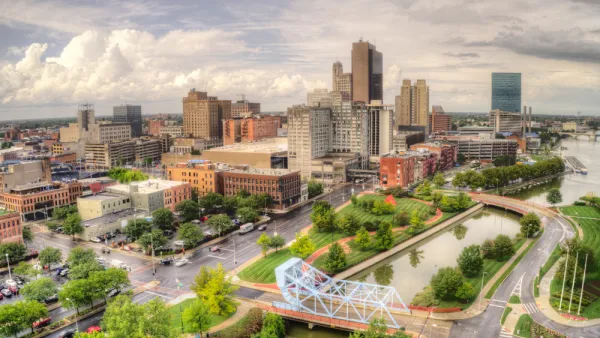
Ohio Approves New Tax Credit and Crowdfunding to Boost Downtown Development
Two pieces of legislation signed by Gov. DeWine promote investment in "legacy" cities.

The Southwest Contends With a Crisis on the Colorado River
With warmer temperatures sapping the flow of water and communities clamoring for higher volumes, the Colorado River needs strict management to continue serving millions of people and farms.
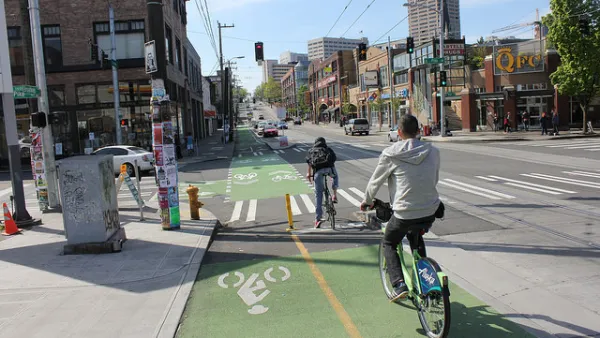
The Uncertain Future of Seattle's Bicycle Master Plan
By prioritizing a multi-modal approach and preserving existing vehicle space, the Seattle Department of Transportation risks abandoning the goals of its bicycle master plan.
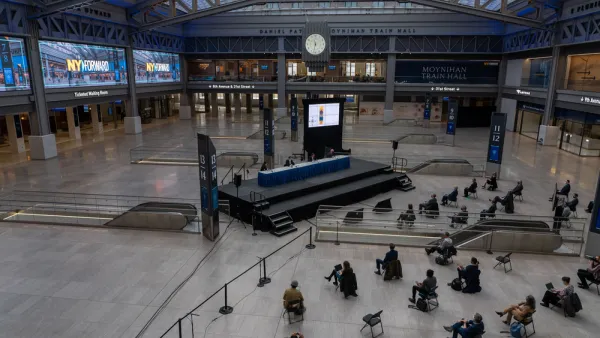
New York's Moynihan Train Hall Opens to the Public
The spacious, glass-ceilinged hall brings much-needed breathing room to the nation's busiest train station.
Project Homekey Crosses Major Threshold
California's effort to create emergency supportive housing options during the pandemic has completed a large-scale acquisition process.

FREE Course: Walkable City 1: Why Walkability?
After describing his path towards focusing on walkability as the essence of good planning, Jeff Speck marches through his five principal reasons for making more walkable places.
Reinventing Malls: Planning Alchemy—Turning Gray Fields Into Gold
The course focuses on the opportunities and imperatives that shape reinvention of mall sites.

City of Rosemead
Rutgers University, Edward J. Bloustein School of Planning and Public Policy
One Hundred Miles
University of Michigan School for Environment and Sustainability (SEAS)
Hunter College, City University of New York (CUNY)
The Architects Foundation
City of Cambridge
Montrose County
The Pocatello Development Authority









