Community / Economic Development
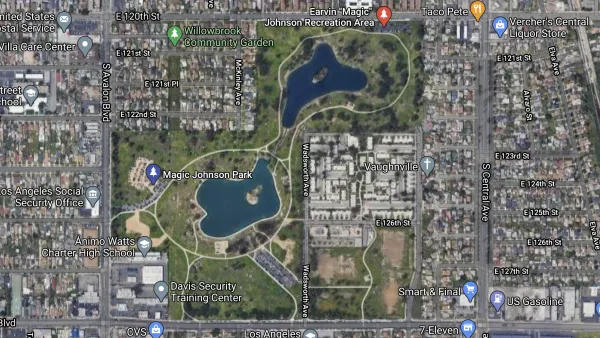
South Los Angeles Park Is Magically Transformed
An almost two-year, $83-million redevelopment of a large section of Earvin Magic Johnson Park in Willowbrook has been completed, offering much needed green space and new amenities to community members.
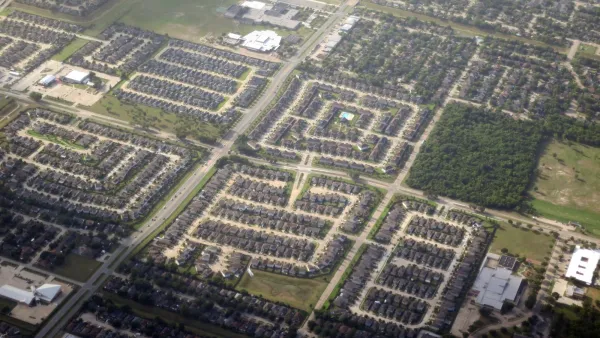
How to Fix Racist Housing Policies: Sue the Suburbs
Strengthening U.S. Department of Housing and Urban Development's civil rights enforcement could send a powerful signal to communities resistant to changing discriminatory housing rules.
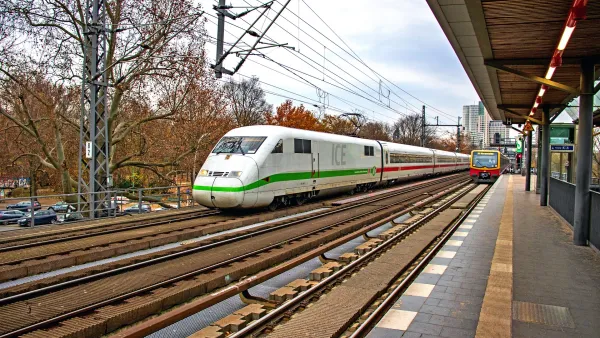
Boston-to-New York High-Speed Rail Project Hopes for Federal Support
If completed, the North Atlantic Rail project could transform New England's transportation landscape.
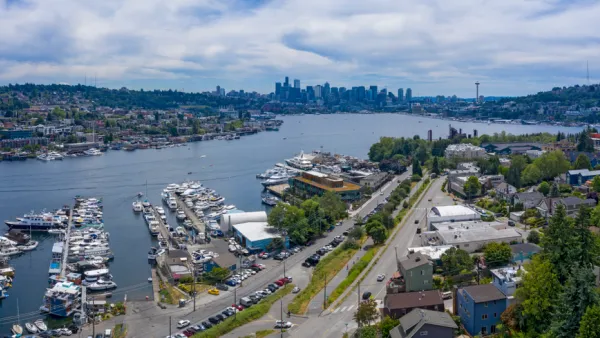
Study Calls Seattle Nation's 'Most Economically Integrated' City
A study of real estate values in Seattle found that townhomes have helped diversify neighborhoods and increase affordability.
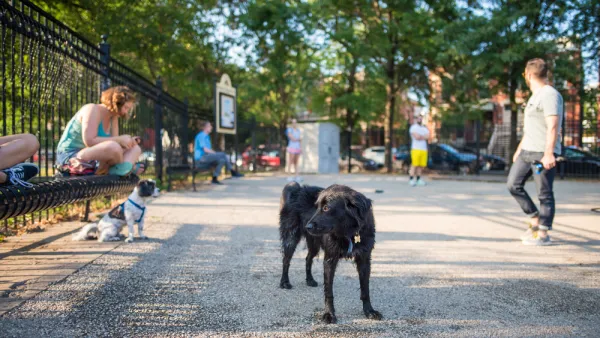
Boston Leaders Want A Dog Park in Every Neighborhood
City leaders want to build more off-leash dog parks, partly as a response to the trend of "pandemic puppies" that has led to a sharp spike in urban dog ownership.
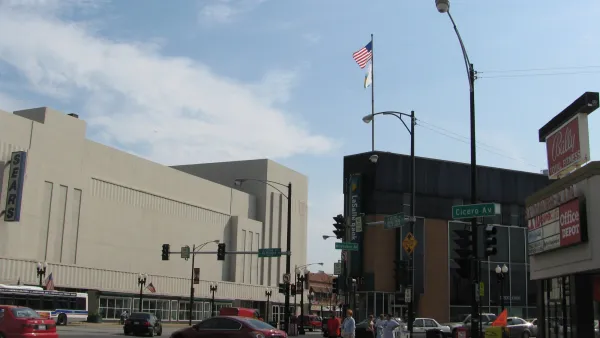
Chicago Planning Department Rejects 'Overparked' Six Corners Proposal
In a decision that is still impossible in most of the country, Chicago's Department of Planning and Development is requiring housing and reduced surface parking to approve a retail project.

Higher Lot Coverage to Boost Density
A proposal in Snohomish County, Washington could raise the lot coverage limits in medium density residential zones to allow for more usable square footage.
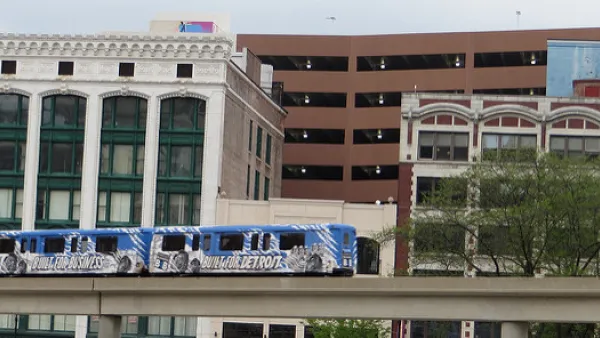
Cultivating a Culture of Transit
How Detroit, historical home of the U.S. automotive industry, can create a culture of transit and the equitable transportation system its residents need.
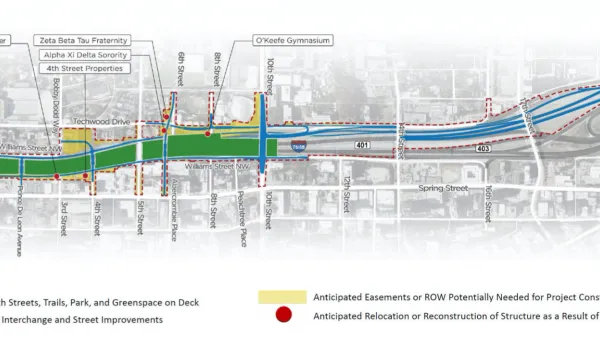
Atlanta Weighs 'Midtown Connector' Freeway Cap
The billion-dollar project would create a 25-acre park and 3.5 miles of new bike and pedestrian routes.
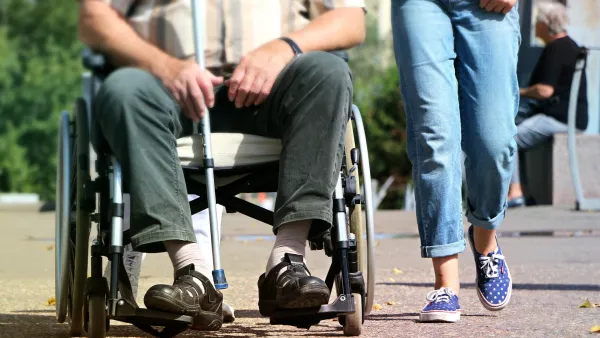
What the Livability Index Shows About Housing
A new report highlights inequalities in accessibility and affordability.
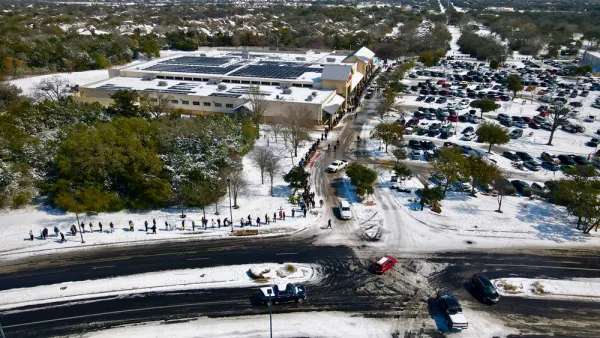
Blaming ERCOT
The Electric Reliability Council of Texas (ERCOT), the nonprofit, independent power grid operator for 90 percent of the nation's second-largest state, has become the convenient fall guy for the epic power failure caused by an extreme weather event.

Public Drinking in America
Regulating alcohol in the public realm.

Letting Cities and Regions Lead Infrastructure Investment
Rice University Kinder Institute for Urban Research recently published "A Bottom-Up Infrastructure Strategy for American Renewal."
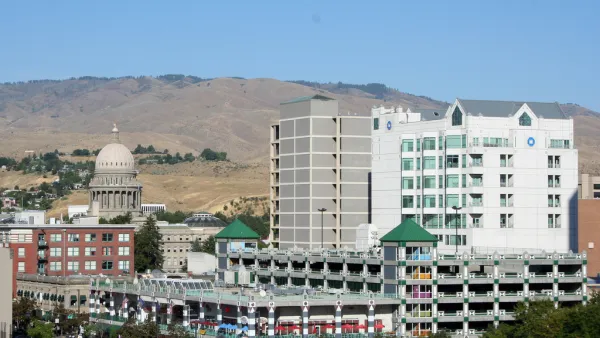
Boise Using Adaptive Reuse to Convert Offices to Affordable Housing
Under the city's Grow Our Housing program, vacant offices could see a new life as below-market rentals.

Opinion: Build Housing, Not Expressways
As it rebuilds the Gardiner Expressway, Toronto could use the opportunity to create more real estate for affordable housing.

Colorado is Using Free E-Bikes to Fight Climate Change
A state program is giving free electric bikes to residents in an effort to provide more transportation options and reduce dependence on cars.
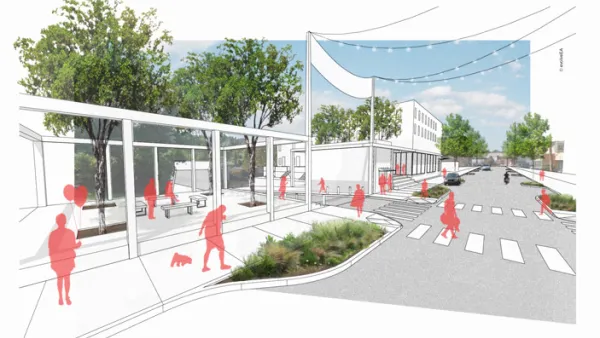
Sharpsburg Ecodistrict the World's Third EcoDistricts Certified Community
The Sharpsburg Ecodistrict in Pennsylvania has been recognized with EcoDistrict Certification, joining Millvale and Etna to become the third certified community in Southwestern Pennsylvania's Triboro Ecodistrict—and the world.
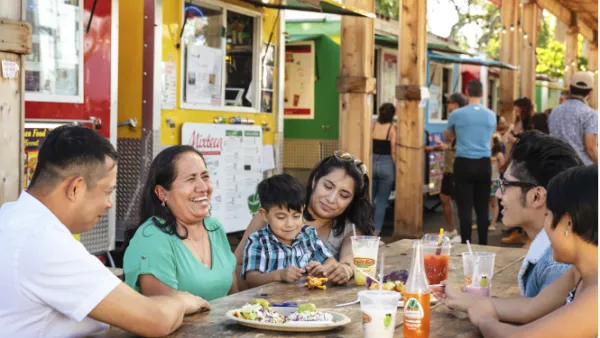
A Strategic Approach to Economic Recovery Planning
Six components of a strategic plan for city and regions to guide their short-term actions for equitable economic recovery from the pandemic.
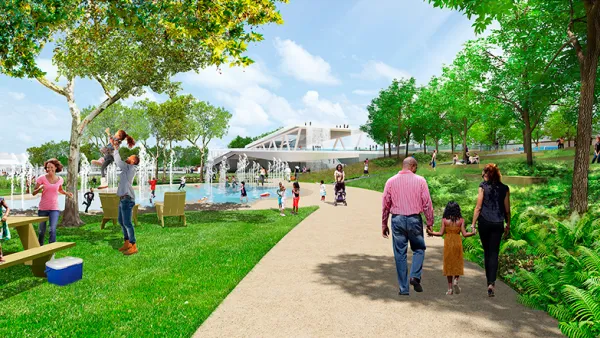
Can D.C. Build its Bridge Park Without Displacement?
The park's non-profit developer has engaged in a years-long community outreach process and invested over $60 million in community initiatives.
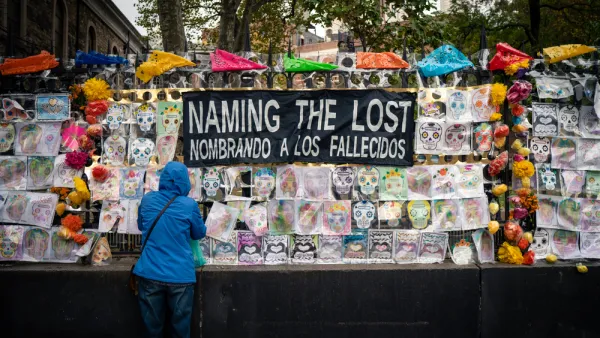
Haves and Have Nots: Planning and the Deep Divides of the Pandemic
The latest in a series of compendia gathering news and analysis about the effects of the COVID-19 on the built and natural environments—now and long into the future.

FREE Course: Walkable City 1: Why Walkability?
After describing his path towards focusing on walkability as the essence of good planning, Jeff Speck marches through his five principal reasons for making more walkable places.
Reinventing Malls: Planning Alchemy—Turning Gray Fields Into Gold
The course focuses on the opportunities and imperatives that shape reinvention of mall sites.

City of Rosemead
Rutgers University, Edward J. Bloustein School of Planning and Public Policy
One Hundred Miles
University of Michigan School for Environment and Sustainability (SEAS)
Hunter College, City University of New York (CUNY)
The Architects Foundation
City of Cambridge
Montrose County
The Pocatello Development Authority









