Community / Economic Development
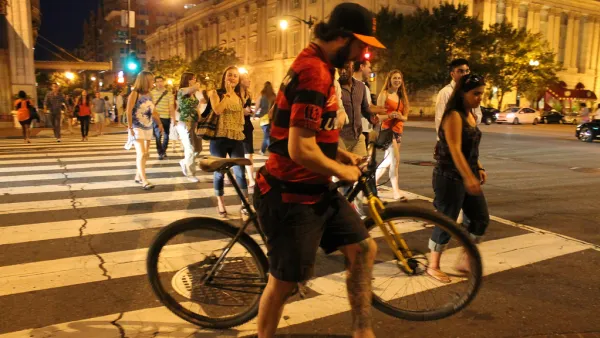
Millennial Invasion Creates a "New Washington"
Drawn by plentiful jobs and an improving quality of life, millennials helped swell D.C.'s population over the last decade - to the delight of some and dismay of others. In a series of articles, The Post chronicles the city's "millennials moment".
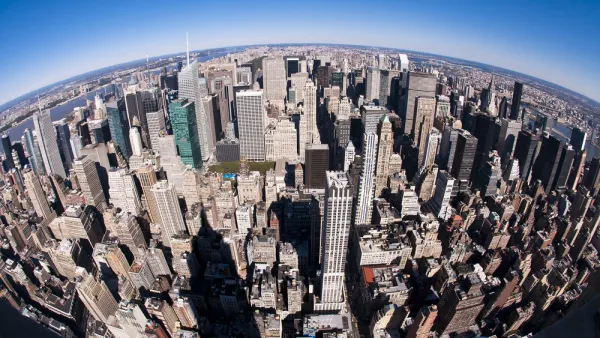
A Design and Planning To-Do List for NYC's Next Mayor
Over the past 12 years, New York has been transformed. For the better in some instances (bike lanes, pedestrian plazas), and perhaps not in others (unaffordability). Michael Kimmelman suggests how to build on the successes and correct the problems.
The Gold Standard for Civic Data Delivery
Emily Badger is extremely impressed—and for good reason—with the City of Los Angeles' new neighborhood data portal, built in connection with the development a new health and wellness chapter for the city's General Plan.
What's Wrong With Worcester? A Story of Stalled Revitalization
The $565 million CitySquare project was supposed to spark the revitalization of Worcester's downtown. But 10 years later, the 21 acre site is home to vacant sites and outdated buildings. What went wrong?
TIF Trouble in Chicago
Aaron Renn asserts that Chicago mayor Rahm Emmanuel's misuse of tax-increment financing dollars is hurting the city's poor.
Top 100 City Innovators Worldwide
To celebrate its first anniversary, Future Cities has assembled a list of the top 100 city innovators making the biggest difference across a range of industries and specialties.
England's Rust Belt Cities Struggle to Find Their Post-Industrial Footing
While London struggles with "supergentrification" and rising home prices, England's rust belt cities suffer from long-term decline and the withdraw of public spending. How can these places find their post-industrial footing?
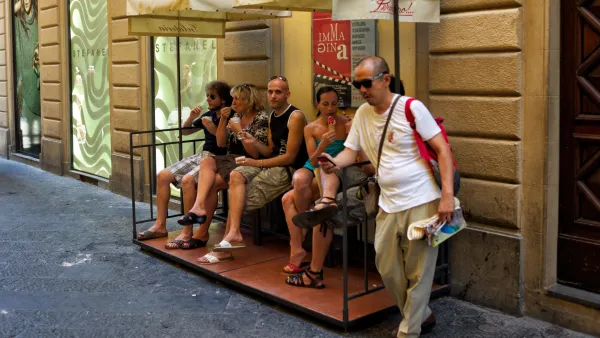
The Next Big Thing: "Sit-able Cities"
Supported by imagery of human urban conduct, Chuck Wolfe argues that walkable is good, but sit-able is better—and that "it’s time for the next big focal point and the next big idea, the 'Sit-able City'."
Place-Based Federal Initiative Offers Promise for Reducing Poverty
With urban inequality getting increased attention from politicians and pundits, many have wondered whether cities actually have the tools to address this growing challenge. A new federal initiative offers a promising solution.
Brooklyn Brands Borough's First Bike-Friendly Business District
One of Brooklyn's busiest streets has been branded a "Bike-Friendly Business District", with cyclists offered discounts at participating stores. But without plans for a dedicated bike lane, cycling advocates are skeptical of the pronouncements.
Federal Dysfunction Imperils Improving City Finances
A new report from the National League of Cities shows municipal revenues climbing across the U.S. in the aftermath of the worst economic crisis in decades. But pension and health costs, and federal budget issues, are causing concern.
Is Stagnation the Only Alternative to Gentrification?
David Madden laments that our current debate over gentrification, whether bemoaning a loss of authenticity or trumpeting the good that trickles down, "doesn't do justice to everything at stake." He suggests how to reorient the discussion.
As Tech Grows, So Does San Francisco's Influence
Nathan Heller illuminates how the tech industry has rendered San Francisco the new "power city" for U.S. economic growth and culture.
How a Railway Near the Bastille Revolutionized How We Think About Obsolete Infrastructure
Joseph Heathcott presents a historical narrative of the decline, revitalization, and gentrification of the Parisian neighborhood surrounding the Promenade Plantée and Viaduct des Arts, the pioneering repurposing of obsolete urban infrastructure.
Immigrants Help Revive Struggling Midwestern Cities
As the U.S. struggles once again to pass comprehensive immigration reform, Midwestern cities like Dayton, Ohio see attracting immigrants as the key to reversing population declines, reviving distressed neighborhoods, and boosting their economies.
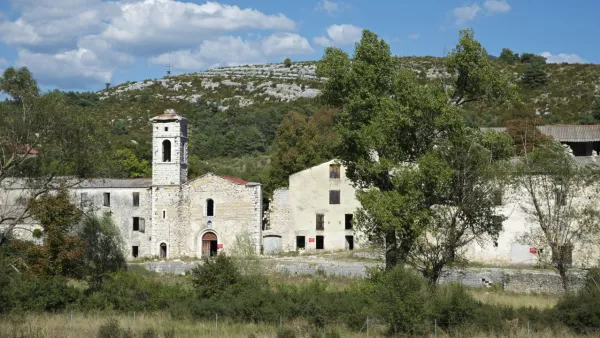
What Is a Place Without the People?
In an illustrated essay, Chuck Wolfe contrasts the ideal form of the New England town with an abandoned French village, calling out the human infrastructure essential to successful urban places.
Searching for a Sequel to the Plan of Chicago
Calling Chicago a "city on the brink", the editors of the Chicago Tribune issue an "RFP" for residents and civic groups to put forth a vision for Chicago that can address its chronic woes, ensure its survival, and inspire people to action.
Next for Facebook: Building a Company Town
Last week, Facebook announced that it is working with a local developer to build a 394-unit housing complex adjacent to its campus in Menlo Park, California.
Recognizing Lively Urban Spaces as the Heart of Resilient Communities
Based on lessons from recent disasters in Chicago and New York, where lively urban spaces helped communities to survive and recover, Michael Kimmelman suggests that neighborhood libraries could be designed with such a purpose in mind.
CEQA Reform: The Year in Review
Three groups review the final bill (also known as Kings Arena bill) that reformed California's landmark, but controversial 1970 environmental law known as CEQA: CA Economic Summit, NRDC and Climate Plan. All credit the author, Sen. Darrell Steinberg.

FREE Course: Walkable City 1: Why Walkability?
After describing his path towards focusing on walkability as the essence of good planning, Jeff Speck marches through his five principal reasons for making more walkable places.
Reinventing Malls: Planning Alchemy—Turning Gray Fields Into Gold
The course focuses on the opportunities and imperatives that shape reinvention of mall sites.

Greater Baltimore Committee
Eagle County Government
Harvard University Graduate School of Design
The Architects Foundation
University of Cincinnati Online
The Pocatello Development Authority
The Urban Renewal Agency of the City of Pocatello
Journal of the American Planning Association