Architecture

The Most Popular Planetizen Posts of 2015
The results of a year's worth of writing, reading, sharing, and commenting are in. These are the most popular Planetizen posts from the year 2015.
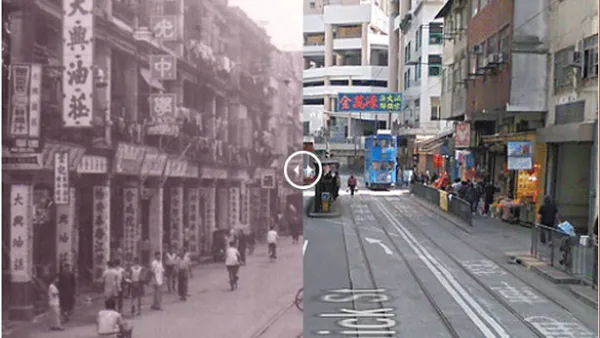
Historic Hong Kong: Visualizing a Changed City
Created with input from historian Mark Footer, this tool overlays street views of modern Hong Kong with historical photos from the colonial era through the 20th century.

Water Resilience in Dry Climates
How can cities in dry climates become self-sufficient in terms of water? California based Dry Lands Institute is creating a digital design tool called Hazel that aims to address just that.
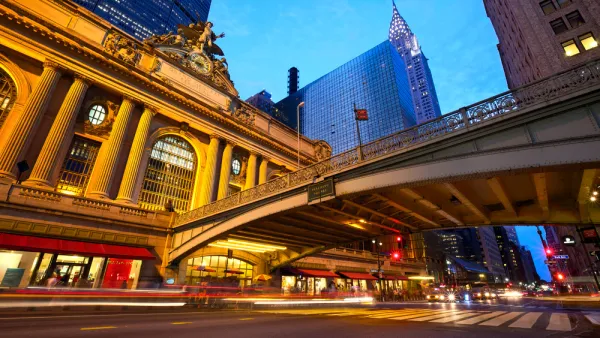
Mr. Kimmelman's Metropolis
The New York Times architecture critic is making good on his promise to focus on the social context and redemptive qualities of urban architecture and design. A recent lecture in Denver identified several imperatives for the planning profession.

Germane Barnes' Vision for Opa-Locka
Known for its unique Moorish Revival architecture, and beset by a host of urban problems, the Miami suburb may have found its savior in Germane Barnes. The young architect and planner aims to revitalize the area without gentrifying it.
Can Jerusalem's Light Rail Pull the City’s Past Into the Future?
Since 2011, the controversial Jerusalem Light Rail system has been a driving force behind the renewal and reintegration of some areas of the old city. In addition, the Jerusalem Business District is being planned as the city's new economic hub.
AIA Gold Medal Goes to the Dynamic Duo of Venturi and Scott Brown
The 2016 Gold Medal is considered a rebuttal to the Pritzker Prize, which neglected to acknowledge Denise Scott Brown when it awarded Robert Venturi in 1991.
To Solve Sao Paulo's Water Crisis, Collaboration Is Key
Brazil is rethinking it's approach to water infrastructure. Brazilian think-tank Arq Futuro and Arup's Pablo Lazo give their take on the state of South America's most populous country.
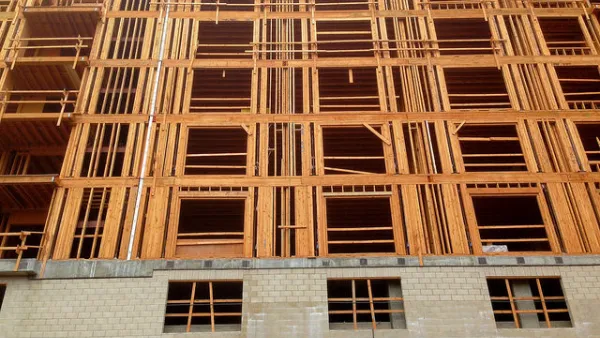
Three Design Basics to Stop the Ugly Building Epidemic
Too many new buildings today are simply ugly—with little to add to urban streets, and resembling buildings in every other city. Jason Hart, AIA reviews some design basics, which he hopes will arrest the ugly building epidemic.
A Quick Guide to the COP21 Climate Talks
World leaders are meeting in Paris this week for the United Nation's COP21 talks. But what exactly are the main topics of discussion?
A Planner's Perspective on Brazil's Water Crisis
With water shortages in São Paulo making headlines around the world, Brazil is rethinking its approach to water infrastructure. Arup's Pablo Lazo gives his perspective on the various entities that are acting for change.
Revealed: A Splashy New Master Plan for Former Civic Arena Site in Pittsburgh
One of the country's most beautiful cities could get a dramatic new development project, calling on the design talents of Bjarke Ingels Group.

Philadelphia Alleys Ranked for Makeover
In advance of what may be a wider program, Philadelphia's alleys have been ranked for their aesthetic quality. Those in the "average" range are most suitable for retrofits.
Melting Pots and Shrinking Islands
Brooklyn-based artist Ekene Ijeoma newest piece shows what parts of New York City are affordable to different people across the spectrum of salaries in the form of crystalline islands called "wage islands."
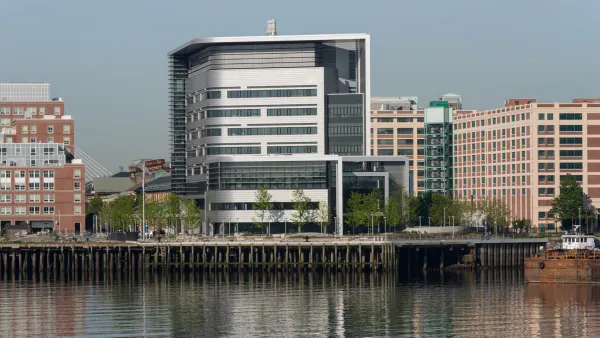
Building for Resilience Makes (Good Business) Sense
The Urban Land Institute (ULI) is showing developers how resilience can benefit the bottom line in the "Returns on Resilience" report. Sarene Marshall, director of the ULI Center for Sustainability, offers insight into the report's examples.
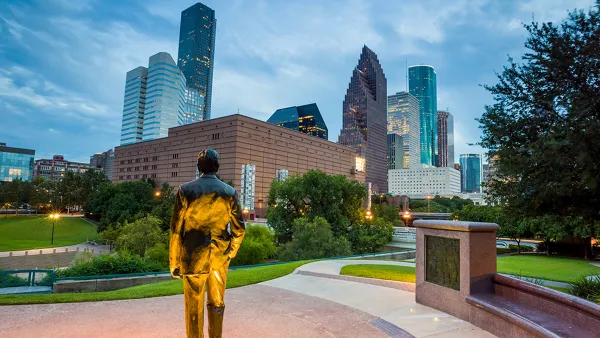
On the Effect of Houston's Loose Land Use Regulations
A conversation with an architect yields insight into how Houston's pride in the lack of traditional land use regulation mechanisms has created the city as it exists today.
Palo Alto to Protect Single-Story, Eichler-Tract Neighborhood
The Palo Alto city council has approved one neighborhood's request to prevent the construction of two-story homes.
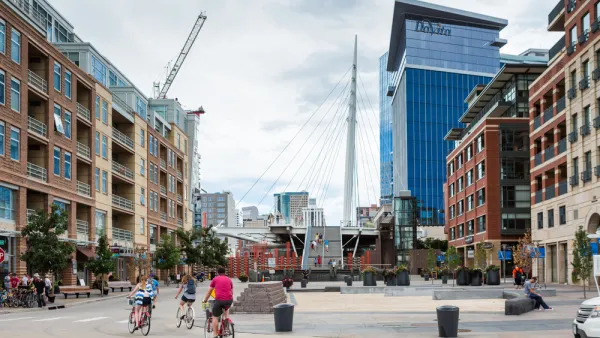
Battling the Ugly: Denver Contemplates an Effective Design Review Process
As Denver booms, planners and architects discuss the good and the bad of imposing design guidelines on new construction.

Landscape Architecture Unites Impact and Design
In a field that seems divided between aesthetes and the activists, landscape architects may be closest to reconciling the two trends.
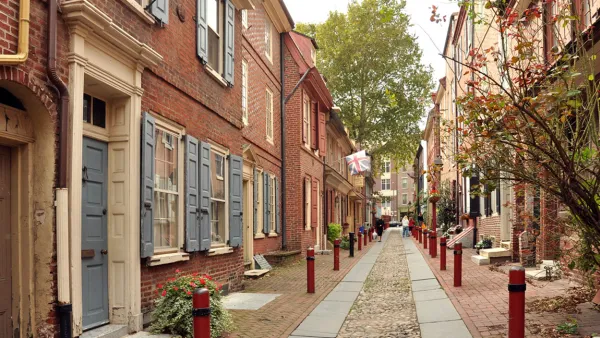
Defining the Public Good
How well do public spaces reflect the changing conceptions of "public good" in contemporary political discourse? The UPenn design community starts a challenging conversation.

FREE Course: Walkable City 1: Why Walkability?
After describing his path towards focusing on walkability as the essence of good planning, Jeff Speck marches through his five principal reasons for making more walkable places.
Reinventing Malls: Planning Alchemy—Turning Gray Fields Into Gold
The course focuses on the opportunities and imperatives that shape reinvention of mall sites.

City of Thousand Oaks
City of Wisconsin Rapids
Harvard University Graduate School of Design
The Architects Foundation
University of Cincinnati Online
Northern Illinois Transit Authority (NITA)
The Pocatello Development Authority
The Urban Renewal Agency of the City of Pocatello