United States
Transportation Chair Endorses Mileage Fee—Why Is That Bad?
While road usage fee advocates may be celebrating this key endorsement of what many transportation experts view as the inevitable funding option, Streetsblog's Tanya Snyder is calling it a setback because of what else Rep. Bill Shuster did on Feb 4.
Feds Enforce First Crude By Rail Regulations
In the first case of its kind, federal regulators fined three oil companies for allegedly either failing to test, or improperly testing crude from the Bakken Shale in N.D., resulting in rail companies not knowing which type of oil tanker cars to use.
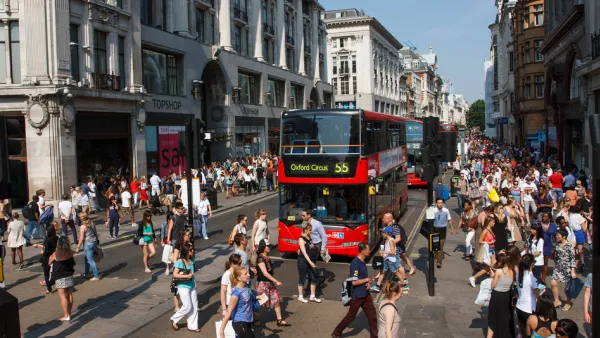
What Is 'Walkability,' Really?
Walkable developments are in demand, but what really makes a community "walkable"? It all boils down to three simple principles—physical access, proximity, and places—says John Lavey.
Train Stations Plan for the Future
In many places across the country, rail is breaking ridership records as we move away from the personal car. How does a rail hub manage the influx of passengers while being a good neighbor?
Will Chinatowns Soon Be Extinct?
The formation of Chinatowns in the United States began in the late 19th Century, and since then have provided an important immigrant gateway. But gentrification and rising expenses in U.S. cities are shrinking many Chinatowns.
New Statistics Reveal Post-Recession Paradigms of Population Growth
Governing takes a closer look at the U.S. Census Bureau’s most recent population estimates to reveal the data behind the country’s shifted migration patterns and present some ideas about what’s driving the new migration paradigms.
Why the U.S. is Auto-Dependent (and Europe isn't)
In the early part of the 20th century, Europe looked toward the U.S. to learn how to adapt cities to car travel, as difficult as that may seem. It wasn't until the 1990s, in the presence of sprawl and failing public transit that the pattern reversed.

How the Daily Commute Hurts Civic Engagement
A contributing factor to widespread political disengagement? It's not what you might expect. Here's how the daily commute diminishes citizens' interest and ambition to get involved in their communities.

Report: Improving Food Deserts Doesn’t Improve Health Outcomes
A new study published in the February issue of Health Affairs presents evidence that providing fresh food in food deserts does not improve diets or health outcomes for residents.
Feds Allow ‘Next Generation’ Vehicle Safety Technology
By allowing the use of a new vehicle safety communication system called V2V, the U.S. Department of Transportation and the National Highway Traffic Safety Administration are hoping to protect drivers without overstepping privacy boundaries.
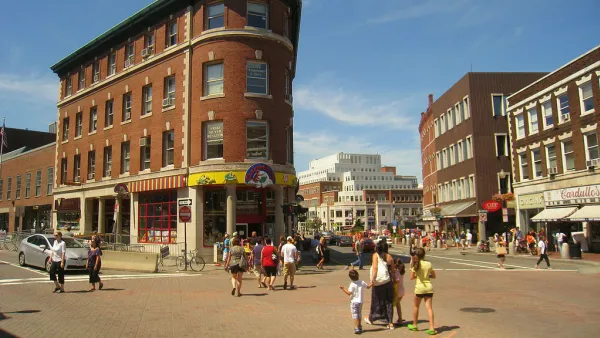
Ranking the '10 Most Exciting Suburbs'
Ranking suburbs on metrics of excitement? That’s a zesty response to the suburb-bashing parlance of the times, and the Movoto Real Estate Blog has done just that.

Bike and Pedestrian Infrastructure Financing Bill Introduced in Congress
Rep. Albert Sires (D-N.J.) introduced the New Opportunities for Bicycle and Pedestrian Infrastructure Financing Act of 2014 (H.R. 3978), modeled on TIFIA, to promote investment in bike and pedestrian facilities to make streets safer for all modes.
The Mythical Search for 'Congruity' in the City
In the eighth installment of the Urban Juxtapositions series profiled in Planetizen on January 16, Chuck Wolfe asks if we are using the right language when it comes to densifying urban spaces.
New Report May Provide Green Light for Keystone XL
The environmental impact statement on the Keystone XL oil pipeline released Friday by the U.S. State Department delivered news that environmentalists will not be happy to hear. The study finds that the project will not exacerbate oil extraction.
Mayors’ Conference Crystal Ball: More Megacities, Moderate Economic Growth
The United State Conference of Mayors recently released a report projecting moderate growth for almost all of the country’s metropolitan areas. A survey of coverage on the report reveals multiple readings of the state of the economy.
Record Year Concludes for Utility-Scale Solar
With the energy generating business in upheaval, utility-scale solar energy projects have done well since 2009, culminating in a record year for installation in 2013.
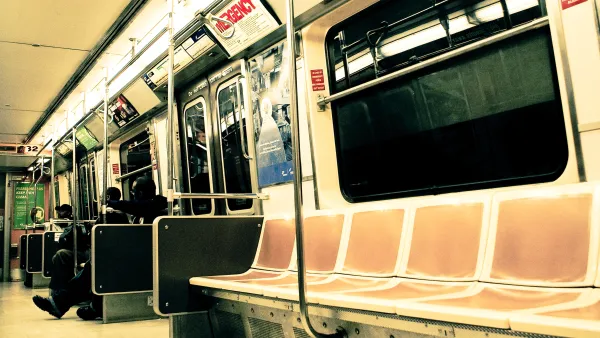
Which U.S. Cities Have the Best Transit?
Walk Score has published its analysis of the quality of public transit in 50 of the biggest cities in the United States. The rankings may surprise you.
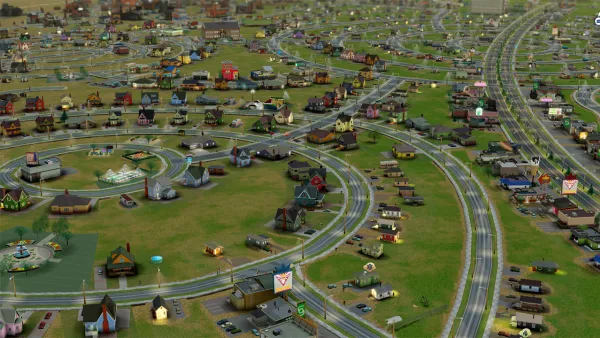
The Demographic Trends That Will Change Planning
The work of Professor Arthur C. Nelson from the University of Utah in projecting demographic and real estate trends contains some critical insight for planners looking to prepare the way for the cities and towns of the future.
Energy Policy in State of the Union Upsets Some Environmentalists
In his State of the Union address, President Obama touted his "all of the above" energy policy which was bemoaned by some environmental groups who are upset with his embrace of natural gas as a "bridge fuel" to a clean energy future.
Congress Still Exploring Fix for Flood Insurance Expenses
With the National Flood Insurance Program deeply in debt, homeowners are struggling to afford new insurance rates resulting from legislation passed in 2012. The House could still block the Senate bill that would delay more rate increases.

FREE Course: Walkable City 1: Why Walkability?
After describing his path towards focusing on walkability as the essence of good planning, Jeff Speck marches through his five principal reasons for making more walkable places.
Reinventing Malls: Planning Alchemy—Turning Gray Fields Into Gold
The course focuses on the opportunities and imperatives that shape reinvention of mall sites.

One Hundred Miles
County of Mendocino
planning NEXT
The Architects Foundation
University of Cincinnati Online
Montrose County
Northern Illinois Transit Authority (NITA)
The Pocatello Development Authority









