United States
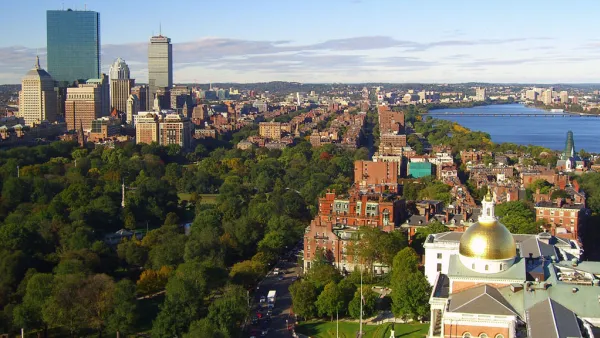
5 Reasons to Move to the City (ASAP)
Kevin Roose wonders whether "choosing to live outside a major city is tantamount to opting to live in the past."
Conservatives Push Back on 'Affirmatively Furthering Fair Housing' Policy
Stanley Kurtz reports that Congressman Paul Gosar (R-Arizona) "is planning to offer" an amendment to the Transportation, Housing and Urban Development Appropriations Bill that would declaw the Obama Administration's proposed "AFFH" rule.

Unsafe Streets: Report Finds Pervasive Harassment on U.S. Streets
A new report, the first of its kind, documents the pervasive harassment experienced by women, and many men, of all races, income levels, sexual orientations, and geographic locations. The report identifies the situation as an issue of human rights.
Water Resources Reform and Development Act of 2014 Signed into Law
President Obama has signed "a bipartisan $12.3 billion water bill that will help improve harbors, waterways, levees, and ecosystems across the United States," according to an article by Adie Tomer and Joseph Kane.

40 Visualizations of America and its Relationship with Food
A new post by Vox includes 40 maps, charts, and graphs explain that where and how food works in America.
Can an Algorithm Cure Gerrymandering?
Mapping congressional districts functions at a dynamic intersection of geography, politics, and community. Can technology, as with so many other issues at this intersection, improve the current system?
Homeland Security Data Reveals the Origins and New Homes of Naturalized Citizens
Dara Lind provides insight on new data on U.S. naturalizations released by the U.S. Department of Homeland Security. In all, 779,929 immigrants became U.S. citizens in 2013.
'Innovation Hubs' Called a Manufacturing Silver Bullet
A recent Wall Street Journal editorial calls for "Topic-specific, industry-led, and place-based…public-private hubs" as the key to a manufacturing renaissance. The idea is already being tested in four cities.
Will Obama's Climate Initiative Become the Obamacare of Regulations?
EPA's new Clean Power Plan Rule has taken on a political life of its own, with coal states adamantly opposed, helping those who allege that the administration is waging a "war on coal." We also look at the basis of the rule in the 1970 Clean Air Act.
'Structurally Deficient' Bridges on the Decline—Can States Continue the Trend?
All but nine states have decreased the number of "structurally deficient" bridges since the 2007 Minneapolis bridge collapse. That improvement, however, is far from permanent. Can the federal government and states maintain their progress?
Tracking the Rate of Sprawl for U.S. Cities between 2000 and 2010
Many studies have measured and compared the sprawl of U.S. metropolitan areas. A recent study tracks the rate at which the same cities grew either less compact or more compact for the decade between 2000 and 2010.
How to Prevent National Forests Becoming 'National Ashtrays'
An editorial calls for innovative policy in post-fire recovery and reforestation. The recent release of the Environmental Impact Statement for the recovery of the Rim Fire should serve as a barometer for a "new public forestry."
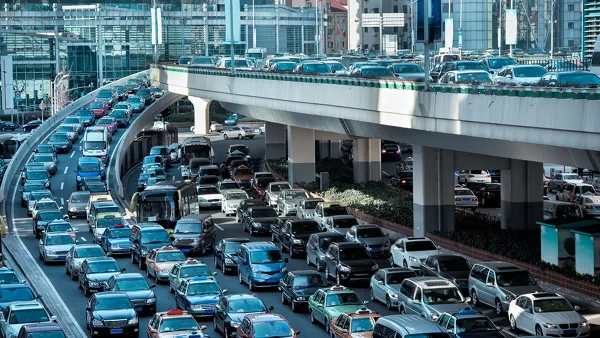
Arguing for Cars, Not Transit, as a Poverty Solution
Data show that cars are more effective than transit in providing poor people to jobs and economic opportunity. But does that mean transit systems are fundamentally inadequate or just currently inadequate?
Study Evaluates Protected Bike Lanes in the United States
The National Institute for Transportation and Communities released a new study this week called "Lessons from the Green Lanes: Evaluating Protected Bike Lanes in the U.S."
The McMansion Strikes Back: New American Homes are Larger than Ever
According to new date from the U.S. Census, McMansions are back. In fact, the data indicates that the housing crash and recession was a temporary pause in the long-term trend of the always-expanding American home.
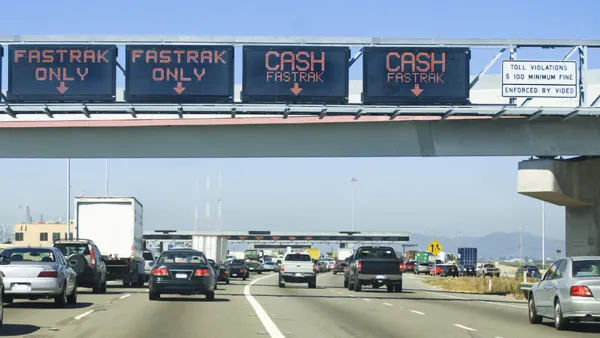
Op-Ed: User Fees, Not General Funds, Should Fund Transportation
The Washington Post editorializes against the use of general funds to fill the Highway Trust Fund shortfall ($18 billion annually), whether they be dedicated funds or offsets, and evaluates proposals from President Barack Obama and House Republicans.

The New Transportation Mode of Choice for Urban Professionals: Skateboards
Although the skateboard's been around for a while, recent modifications to traditional designs are targeting skateboards for an older, wealthier demographic.
How Much Carbon Will Your State Cut under the EPA's New Rule?
A state-by-state breakdown of the U.S. Environmental Protection Agency's proposed carbon reduction rule reveals that some states will have to go far beyond the 30 percent goals for the country overall.
How to Build Grassroots Support for Urbanism
Andrew Keatts interviews Benjamin Ross, of Maryland's Purple Line advocacy fame, about what it takes to build local support for transit and urban design.
Could Viable Transportation Options End Drunk Driving?
A recent article by Sommer Mathis fills a void in supportive arguments for alternative forms of transportation: giving people more and better options not to drive, especially while drunk, is a massive public safety issue.

FREE Course: Walkable City 1: Why Walkability?
After describing his path towards focusing on walkability as the essence of good planning, Jeff Speck marches through his five principal reasons for making more walkable places.
Reinventing Malls: Planning Alchemy—Turning Gray Fields Into Gold
The course focuses on the opportunities and imperatives that shape reinvention of mall sites.

One Hundred Miles
County of Mendocino
planning NEXT
The Architects Foundation
University of Cincinnati Online
Montrose County
Northern Illinois Transit Authority (NITA)
The Pocatello Development Authority









