United States

Skateboard Urbanism on the Rise
More cities around the country are embracing skateparks as a vital part of park design, leading to a new wave of urban design standards tailored for skateboarders.
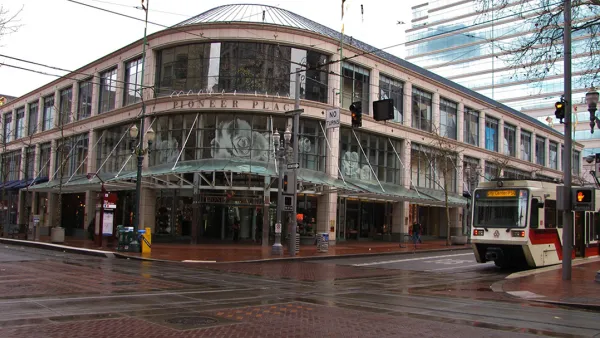
Neighborhoods, Streets, and Public Space: 30 'Great Places in America'
The American Planning Association (APA) has released its annual list of 10 Great Neighborhoods, 10 Great Streets, and 10 Great Public Spaces.
Economists Give Uber and Lyft a Resounding Thumbs Up
A recent survey of the Initiative on Global Markets Economic Experts Panel found clear and broad support for the economic benefits of transportation network companies.
The Case for Selling Air Rights
Scott Beyer argues that more compact, vertically-oriented cities, like Seattle, San Francisco, Chicago, and Washington D.C., should sell the air rights above public projects.
Map Shows the Transportation Agencies Buying Buses and Trains
Looking for a mapping tool that makes it easy to reference news about which agencies are buying what kind of rolling stock and when?
Perfect Logic—Why Drivers and Transit Users Support Public Transportation
The American Public Transportation Association's Director of Policy Development and Research responds to Eric Jaffe's question: "If So Many People Support Transit, Why Do So Few Ride?"

A Conservative's Response to Joel Kotkin
A column by Reihan Salam takes exception to Joel Kotkin's recent portrayal of "anti-suburban conservatives."
Two Narratives Derived from New Commute Data
When it comes to making sense of the American Community Survey's data on commute times, it's all about how you frame the data.
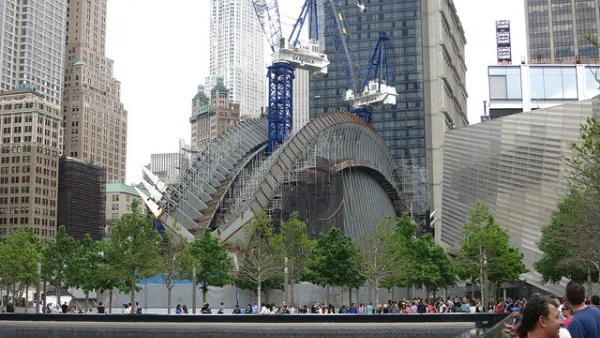
Why Design Matters in Transportation Infrastructure Design
New Jersey School of Architecture Director Darius Sollohub writes that transportation planners and engineers should consider what their infrastructure designs will say to today's users and future generations in an essay in InTransition magazine.
Why Smart Cities Must be Sharing Cities
Julian Agyeman and Duncan McLaren make the case that the only smart city is a shareable city.

Whatever Happened to Peak Oil?
The Wall Street Journal re-examines the doomsday scenarios of Peak Oil now that fracking has pushed oil production to record levels.
Speaker Boehner: Highway Bill is 'Doable'
On a Sunday talk show, Speaker John Boehner called a long-term highway bill "in the realm of doable," though he didn't give a time frame other than "in the last two years" of President Obama's term. The current short term funding expires May 31.
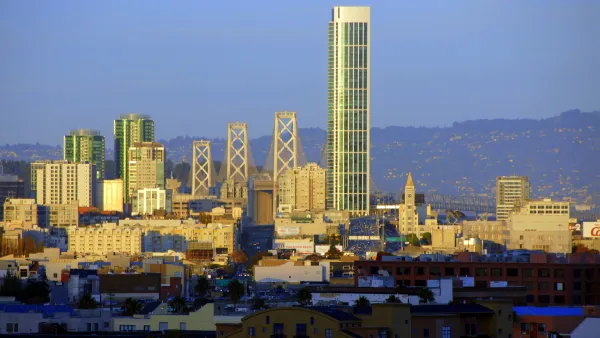
Report: Cities Segregating by Employment Type—Not Just Income Level
New analysis from Richard Florida and the Martin Prosperity Institute maps segregation by employment type, finding the darker effects of the creative class.
Mobile Apps to Inspire Walking
Bill Lindeke examines a few examples of mobile technology that encourage citizens to ditch their cars and walk. Could these technologies inspire the cultural side of the equation needed for widespread adoption of walkability?
Mixed Reviews on New Passenger Rail Reauthorization Act
Six years ago Congress passed the first Passenger Rail Reauthorization Act, known as PRIIA. Reauthorization was introduced on September 11, in a bill (known as PRRIA) praised by some but also criticized for decreasing Amtrak funding by 40 percent.
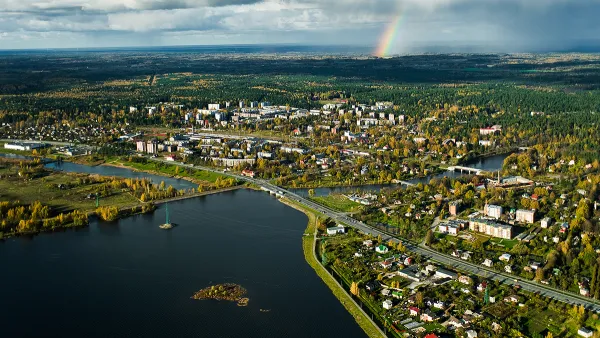
Quality of Life Driving 'Brain Gain' in Rural Communities
Many rural counties are experiencing “brain gains” as newcomers age 30-49 move in. This migration is keeping small towns alive and contributing to a new narrative about rural places.
State Transportation Funding Falling Faster than Federal Transportation Funding
A new analysis form the Pew Charitable Trusts showed a 20 percent reduction in state spending on transportation between 2002 and 2011, compared to a 4 percent drop from the federal government over the same period.
New Mobile Phone Charging Stations Powered By Kinetic Energy
Combining both solar power and kinetic energy, the first public phone charging station of its kind was recently installed at Webster University in St. Louis, Missouri.
Federal Highway Administration to Develop Guidance for Protected Bike Lanes
In a major policy departure for federal level bureaucracy, the Federal Highway Administration is developing guidance for the design and engineering of protected bike lanes in two separate policy documents
10 Misconceptions about Form-Based Codes
Several common assumptions about new urban codes fail to stand up to scrutiny.

FREE Course: Walkable City 1: Why Walkability?
After describing his path towards focusing on walkability as the essence of good planning, Jeff Speck marches through his five principal reasons for making more walkable places.
Reinventing Malls: Planning Alchemy—Turning Gray Fields Into Gold
The course focuses on the opportunities and imperatives that shape reinvention of mall sites.

One Hundred Miles
County of Mendocino
planning NEXT
The Architects Foundation
University of Cincinnati Online
Montrose County
Northern Illinois Transit Authority (NITA)
The Pocatello Development Authority









