United States
Who Will Win the Carbon Neutral Economy?
The fossil fuel industry has convinced the public that aggressive carbon reduction will harm the economy. Au contraire. The carbon reduction leader will secure its place at the top of the global economy, argues UrbDeZine Editor Bill Adams.
Crude-by-Rail's New Workhorse No Better than the Old Workhorse
The new oil tank cars were supposed to be key to preventing the fiery explosions associated with oil-train derailments. However, four recent explosions since Feb. 14, with two occurring last Thursday and Saturday, all involved the new tankers.

How a Philadelphia Mayoral Candidate Influenced U.S. Public Housing
Former HUD counsel and current Philadelphia mayoral contender Nelson Diaz laid the groundwork for "entrepreneurial" approaches to public housing. Whether the resulting projects were effective is up for debate.
Report: 10.8 Billion Americans Rode Transit in 2014
The American Public Transportation Association (APTA) has released its annual report on public transit ridership. Although more Americans are taking public transit, the trend doesn't hold in every city.
Do Driverless Car Safety Features Merit Fuel Efficiency Credit?
Manufacturers say yes, arguing that the reduction in vehicle crashes decreases traffic congestion. Other features improve traffic flow. But these are safety technologies, not emission-reducing measures, that critics worry will water-down CAFE.

How Driverless Cars Could Affect Suburban Land Use
Successful driverless cars might lead to "mini mass transit," a distinct mode from public transit and the private automobile. The consequences for land use could reshape suburbia.
Friday Eye Candy: A Satellite View of the Country's Winter Blanket
We know not everyone is pleased with the winter right now, but there's no denying the beauty of the United States when it's covered in snow.
A Case for Putting Kids First
Instead of "Bikers First!" or "Creative Class First!" James Siegel, president of Kaboom!, proposes an alternative for cities: "Kids First!"
Are You Getting the Change You Want from the Status Quo?
That question may seem like a contradiction, but it couldn't be more pertinent to communities and land use—existing codes and policies generate change by shaping investment.
Cause of Crude-by-Rail Explosions Identified
The Wall Street Journal's senior energy reporter, Russell Gold, is interviewed on NPR about the February 16 derailment and explosion in West Virginia of an oil-train hauling 109 tanker cars of Bakken crude from North Dakota.
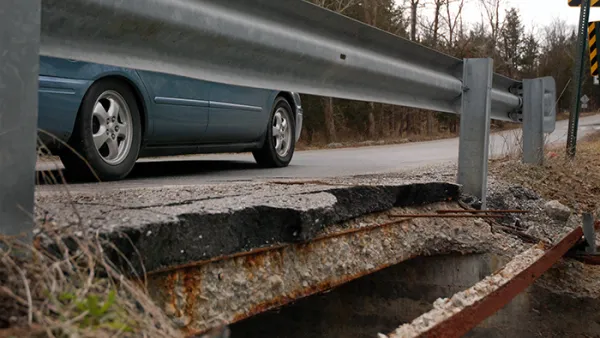
Friday Funny: Infrastructure: 'If Anything Exciting Happens We've Done it Wrong'
The news satire show "Last Week Tonight with John Oliver" gave comic treatment to the country's ever-present, much-neglected infrastructure crisis. It's hilarious and scary. At the same time!

Nextdoor—the 'Facebook for Neighborhoods—Catching on with Investors and Users
As social media platforms evolve into specific niches, the Nextdoor platform is quickly expanding its online version of neighborhood-level interaction.

On the U.S. Transportation System's Structures of Inequality
The tendency of transportation planning of the 20th and 21st centuries to negatively impact poor and minority populations received deep attention on national media outlets over the past few days.

Book Review: Zoned in the USA
"Zoned in the USA: The Origins and Implications of American Land-Use Regulation," by Sonja Hirt, describes the exceptional characteristics, compared to European land use regulations, that make U.S. zoning laws so conducive to sprawl.
Expiring Leases Causing Headaches for EV Manufacturers
The Nissan Leaf, the world's best selling electric vehicle (EV), has a major depreciation problem: leasing contracts are so favorable that when the lease expires, dealers return many of them to the manufacturer because of low demand.
1954 Report Explains a lot About Parking Requirements, Shopping Centers
Historic planning documents, like those found in the APA's Planning Advisory Service, are full of lessons about how past planning doctrines failed their intentions, and it's always a good time for planners to re-evaluate their antecedents.
New Mobile App Alerts Drivers to People on Bikes
A free app, still very nascent in its adoption, alerts drivers to the presence of bikers.

Where the United States Is Diversifying the Fastest
The Brookings Institution has been using new media formats to illustrate the striking demographic changes sweeping the country.

How Form-Based Ideas Could Transform Community Planning
Let's discuss how community planning could be fundamentally reorganized to improve both efficiency and placemaking.
Norfolk Southern's $2.4 Billion Capital Improvement Plan for 2015
A railroad that spans 22 states on the East Coast as well as in the South and Midwest plans to spend a record $2.4 billion on capital improvements this year.

FREE Course: Walkable City 1: Why Walkability?
After describing his path towards focusing on walkability as the essence of good planning, Jeff Speck marches through his five principal reasons for making more walkable places.
Reinventing Malls: Planning Alchemy—Turning Gray Fields Into Gold
The course focuses on the opportunities and imperatives that shape reinvention of mall sites.

One Hundred Miles
County of Mendocino
planning NEXT
The Architects Foundation
University of Cincinnati Online
Montrose County
Northern Illinois Transit Authority (NITA)
The Pocatello Development Authority









