United States
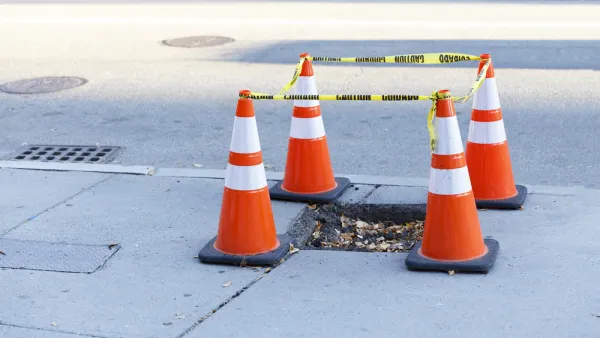
Cities See the Light at the End of the Fiscal Tunnel
The "City Fiscal Conditions 2016" report by the National League of Cities is willing to allow new levels of optimism.
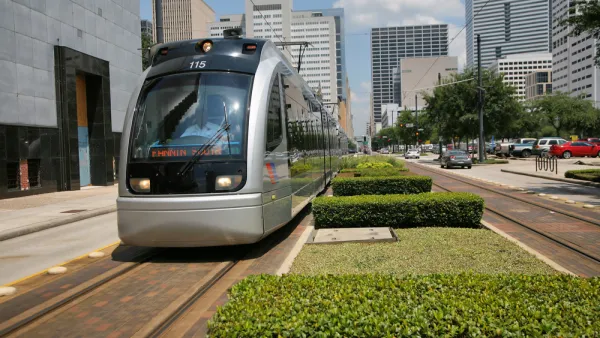
Moving from Moving Cars to Moving People
After a three quarters of a century of building to accommodate cars and not people, it's going to take big changes to get the transit system the United States needs, argues a Next City editorial.
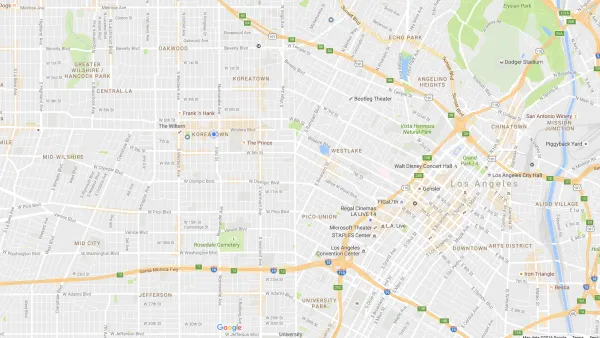
Google Maps' 'Interesting' New Feature
Google's new maps redesign calls out areas of interest, but is "interesting" just a euphemism for rich?
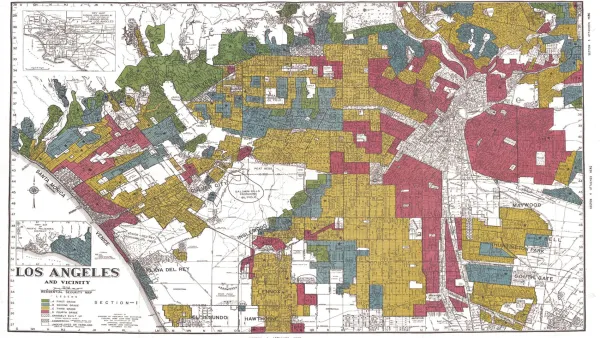
Mapping the Racist History of Real Estate in New Deal America
The Mapping Inequality website documents how the liberal ideals of the New Deal devolved into discrimination and inequality.
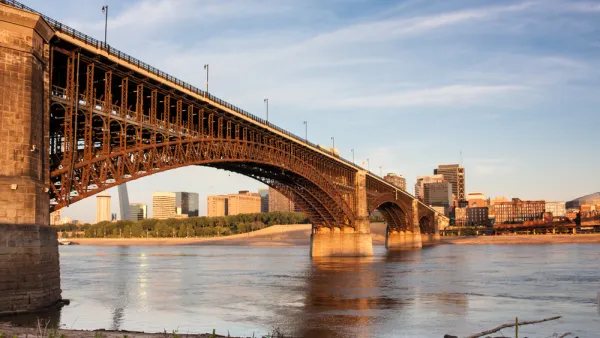
Historic Missouri-Illinois Bridge Completes Rehabilitation Funded by Recovery Act
Remember President Obama's 2009 economic stimulus program? Add another completed project to the program's successes: the restoration of the multi-modal 1874 iconic Eads Bridge connecting St. Louis and East St. Louis, Ill. over the Mississippi River.
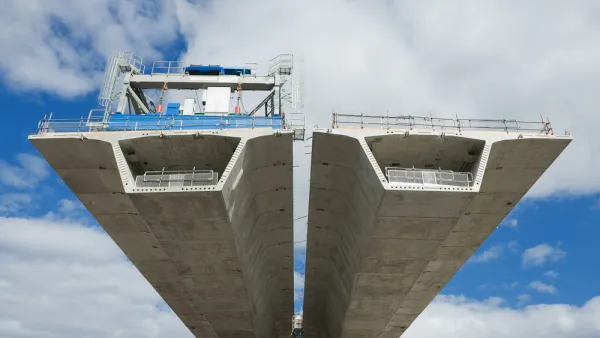
Debate: Growing the Economy From the Supply Side
Two economists discuss how specific kinds of deregulation could speed up growth. They emphasize planning issues: local overregulation of development and the high cost of infrastructure, among others.
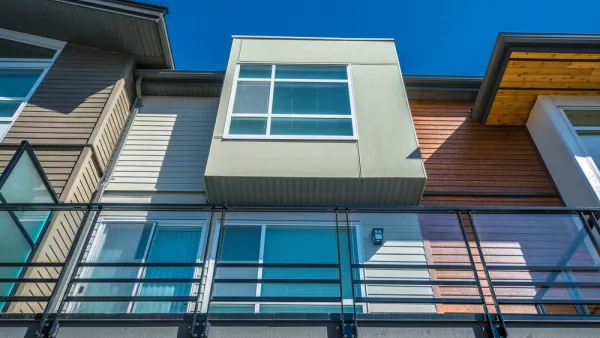
Denser, More Urban Suburbs
Social changes in America relating to work, demographics and the family are changing the face of suburbs around the US.
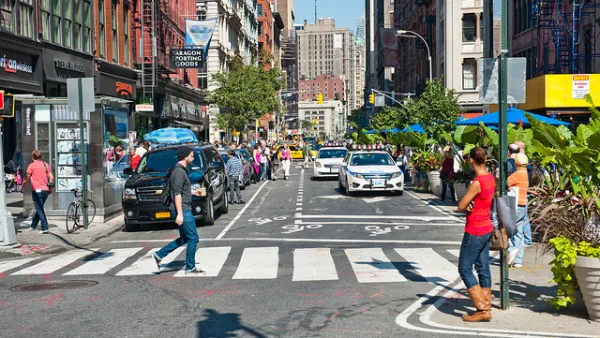
Feds Finally Onboard With Bike Boxes
The federal government officially downgraded the safety risk of installing bike boxes at intersections.
Replicas of Mid-Century Towns Built to Aid the Memories of Alzheimer's Patients
The Glenner Town Square development in Chula Vista, California will be one of the first "immersive facilities" in the United States, designed to trigger memories for Alzheimer's patients.
Global Agreement Reached to Limit 'Super Greenhouse Gas Emissions'
An historic agreement reached by 170 global leaders in Kigali, Rwanda on October 15 to limit hydrofluorocarbons could have more of an impact on reducing climate change than the carbon emission agreement reached in Paris ten days earlier.

Comparing Transit Systems and Populations for 13 Worldwide Cities
A new study compares regional population densities to transit systems to find out which transit systems have maximized their reach.
Tracking the Growth of the 'Gig Economy' in U.S. Cities
The Brookings Institute thinks it has found a way to measure the impact of the expanding 'gig economy'—i.e., freelancing work enabled by online platforms like Airbnb and Uber.
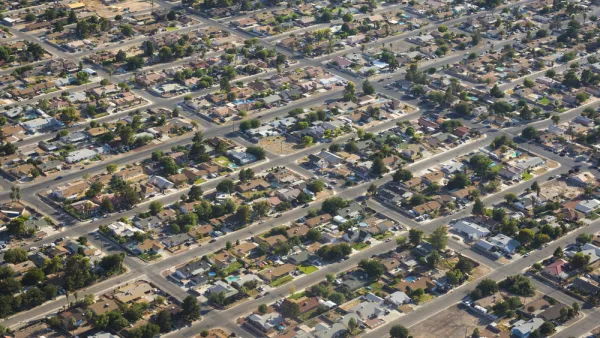
Where Are the Latino Home Owners?
In the United States, rates of homeownership among Latino families lag far behind those of white families. A recent article from the Urban Institute digs into the causes and effects of this issue.

Calling for an End to Federal Support for Beach Nourishment
In the wake of Hurricane Matthew, a researcher calls attention to the method behind the federal spending on billions of dollars of investment in unsustainable beaches.
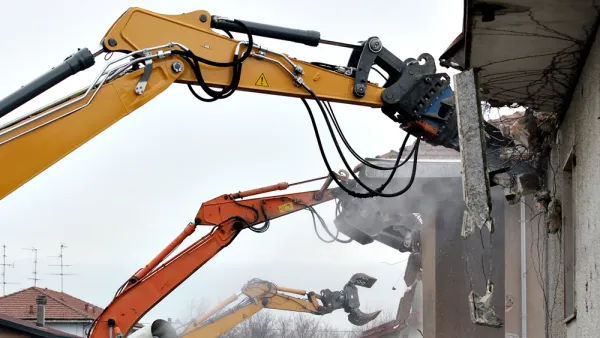
The Dangers of Demolition for Its Own Sake
Jason Hackworth argues that demolition has come to be seen as a good, in and of itself, in rust belt cities like Detroit; giving rise to policies that are wrong-headed and dangerous.
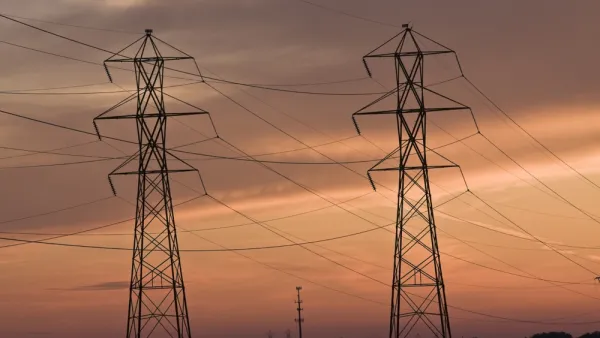
Comparing Energy Costs in Cities Around the Country
Residents of Rust Belt cities might pay less for housing, but they pay a lot more for energy.

The Telemedicine Revolution That Still Hasn't Come
Health care advice can often be given through video or teleconferencing, which saves a great deal of time and money, but most patients still aren't eager to do it.
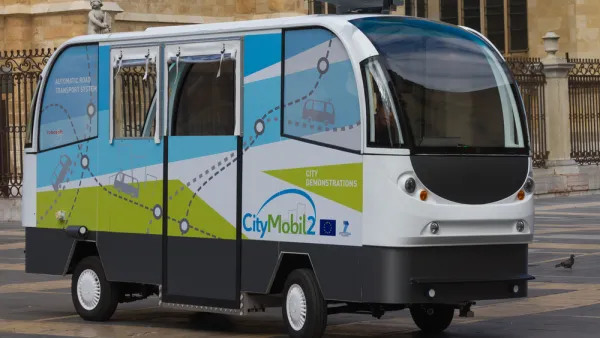
The Self-Driving Bus of the Near-Term, Realistic Future
It might be fun to imagine a a world filled with self-driving cars, reducing traffic and improving safety with one silver bullet. The more realistic short-term scenario, however, deploys low-speed, self-driving buses on private campuses.

Building Industry Falling Short of the AIA's Carbon Reduction Goals
The American Institute of Architects gave a reality check regarding its ambitious and aggressive carbon reductions targets.
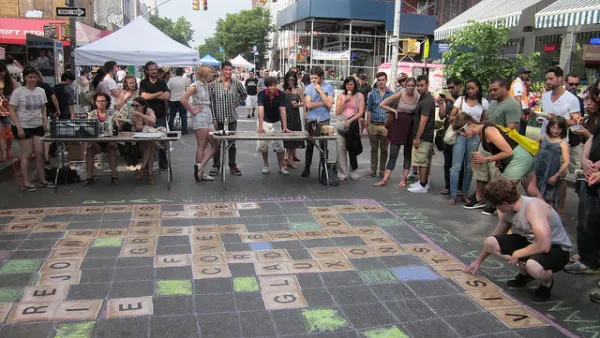
Fact Check: What's Really Going on in 'Inner Cities'?
One of the few mentions of cities during the second presidential debate came when Donald Trump described the states of "inner cities" in the country. The explanation didn't sit well with some experts.

FREE Course: Walkable City 1: Why Walkability?
After describing his path towards focusing on walkability as the essence of good planning, Jeff Speck marches through his five principal reasons for making more walkable places.
Reinventing Malls: Planning Alchemy—Turning Gray Fields Into Gold
The course focuses on the opportunities and imperatives that shape reinvention of mall sites.

One Hundred Miles
County of Mendocino
planning NEXT
The Architects Foundation
University of Cincinnati Online
Montrose County
Northern Illinois Transit Authority (NITA)
The Pocatello Development Authority









