United States
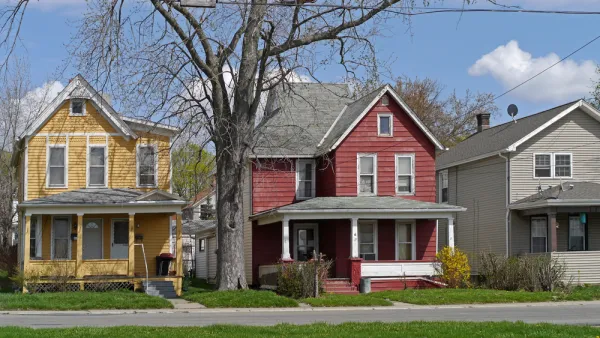
Opinion: New Construction Is Safer, Better for the Environment
The emotional attachment to old homes can obscure the benefits of new buildings, which consume less energy and provide more amenities for residents.
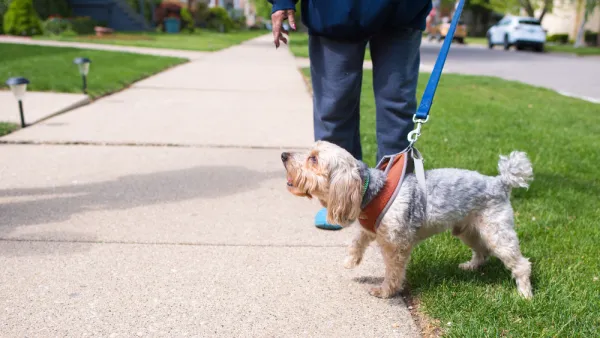
The Best Cities to Take Your Dog for a Walk
For the good doggos.
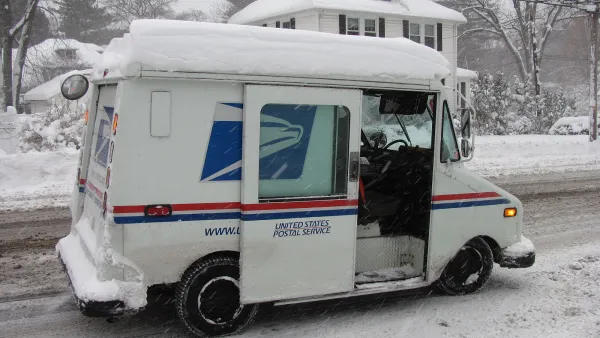
Sustainability Advocates Reject USPS Electrification Plan
Critics say the Postal Service's argument for its weak commitment to electrifying its vehicle fleet doesn't hold water.
The Built Environment in 2022: Challenges and Opportunities
As climate change, the pandemic, and a historic housing crisis continue to impact the nation, experts weigh in on the issues that could shape the future of the built environment in 2022.
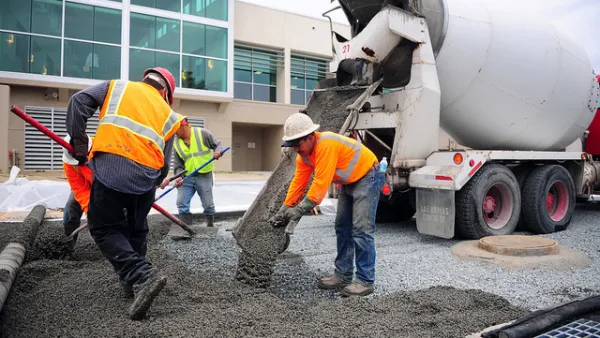
Small Communities Could Lose Out on Infrastructure Funding
Awarding federal funding via competitive grants could block grant opportunities for communities that need them the most.
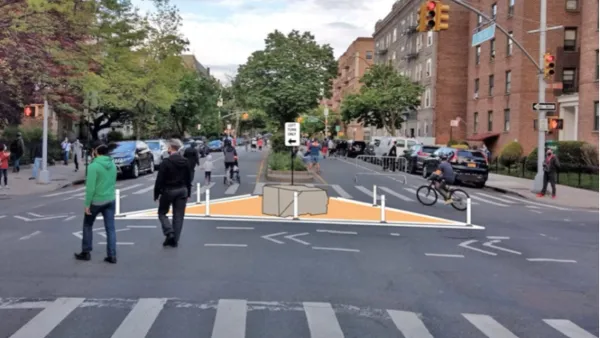
More Evidence That Open Streets Improve Safety
An analysis of New York's 34th Avenue shows substantial reductions in crashes and injuries, strengthening the body of evidence supporting car-free streets.
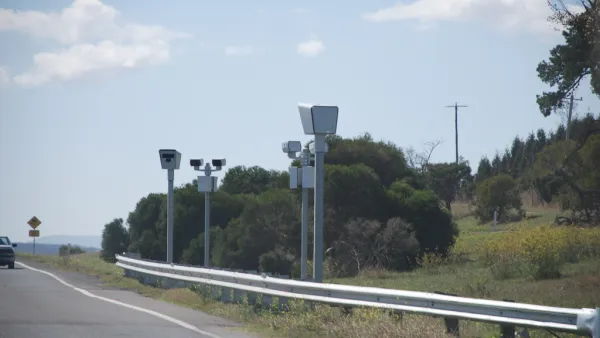
Study: Speed Cameras Save Lives
Data from Chicago reaffirms the efficacy of speed cameras at reducing traffic fatalities and serious injuries.
Planning Trends to Watch in 2022
Building a framework of understanding for the year to come.

Railroad Merger Would Add Service Between Detroit and Toronto
An agreement between two rail companies would create a connection between Michigan and Ontario, improve passenger rail service in the Midwest, and add new lines in Louisiana and Texas.
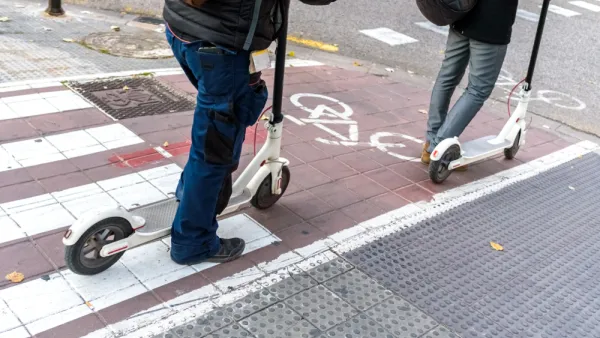
E-Scooter Helmet Laws Could Harm Ridership
Transportation experts warn that mandatory helmet laws for shared e-scooters could cripple the nascent industry and discourage casual rides.
Land Trusts Had a Big Decade
Land trusts are diversifying, racking up victories, and conserving millions of acres of land in recent years, according to a recent report.
Pandemic Endgame: Danish Epidemiologist's Prediction
Based on the results of a new study on the transmission of the Omicron variant in Denmark released by the Statens Serum Institut, Tyra Grove Krause, the institute's chief epidemiologist, said, "We will have our normal lives back in two months."
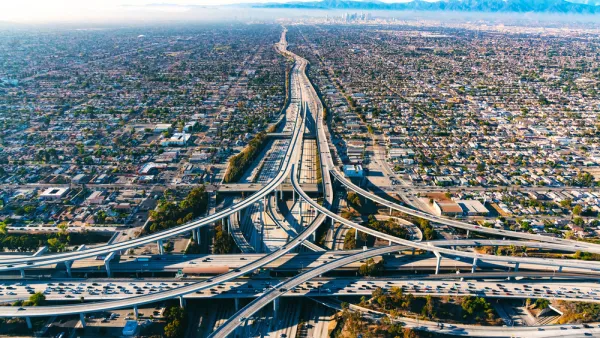
Greenhouse Gas Emissions Growing Faster than the Economy in the U.S.
2021 greenhouse gas emissions from U.S. transportation increased 10 percent compared to the previous year, pushing the entire world further from the emissions reductions necessary to prevent the worst effects of climate change.
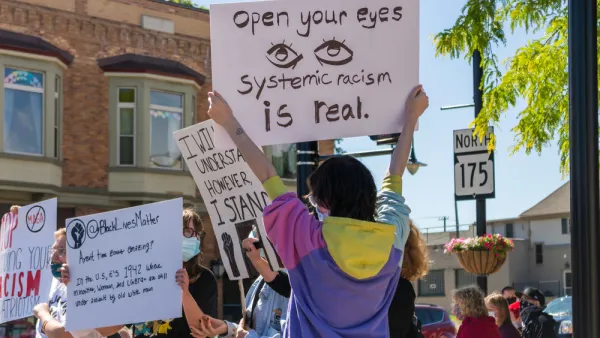
Racial Disparities in Life Expectancy Are a Place-Based Problem
New research from the Brookings Institution illuminates the racial disparities of public health outcomes both during and before the pandemic.

How Remote Work Could Reshape American Cities
If projections about remote work hold true, the resulting migration could shift economic centers, disperse housing market pressures, and transform the politics of small communities.
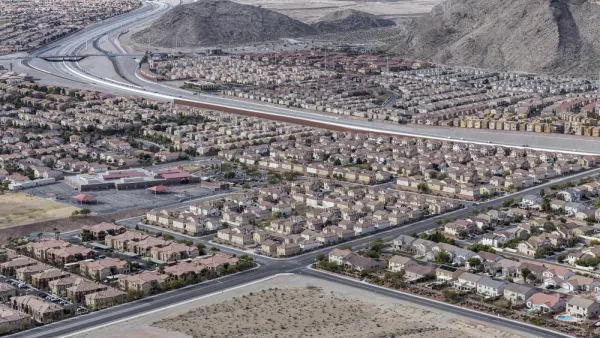
How COVID-19 and Skyrocketing Housing Costs Accelerated Sprawl
In search of space and affordability, American families are increasingly moving to suburbs and exurbs.
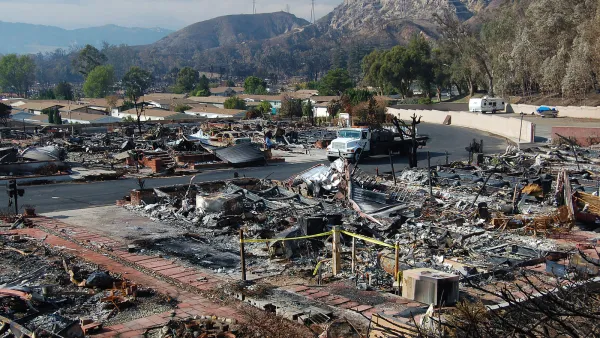
U.S. Communities Increasingly at Risk of Extreme Weather Events
As development pushes into more wildfire-prone areas and climate change makes extreme weather conditions more common, more Americans are experiencing the destructive impacts of climate disasters.
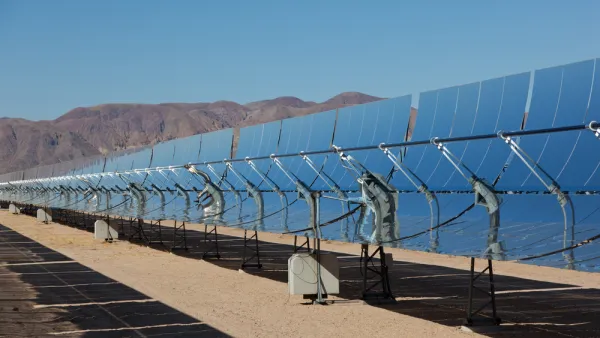
Delaware County Pauses Solar Applications In Response to Local Opposition
Large-scale solar developments face rising hostility from neighboring property owners who cite concerns about environmental degradation, reduced property values, and loss of farmland.
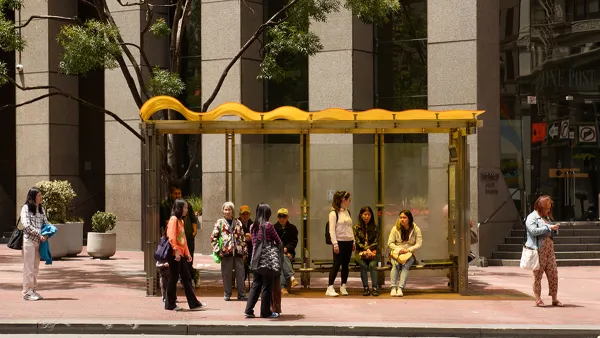
Transit Agencies Direct Resources to Core Ridership
As commuter ridership continues to lag due to the pandemic, transit systems are adjusting to better serve the essential workers and transit-dependent households who need them the most.

How 3D-Printing Can Make Housing More Affordable
Habitat for Humanity is working with 3D-printers to reduce the costs of construction and provide more housing for families in need.

FREE Course: Walkable City 1: Why Walkability?
After describing his path towards focusing on walkability as the essence of good planning, Jeff Speck marches through his five principal reasons for making more walkable places.
Reinventing Malls: Planning Alchemy—Turning Gray Fields Into Gold
The course focuses on the opportunities and imperatives that shape reinvention of mall sites.

One Hundred Miles
County of Mendocino
planning NEXT
The Architects Foundation
University of Cincinnati Online
Montrose County
Northern Illinois Transit Authority (NITA)
The Pocatello Development Authority









