United States
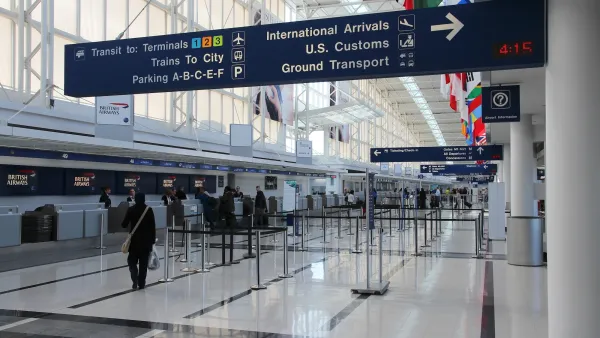
US Population Growth Slowest Since 2020 Due to Declining Immigration
Net international migration dropped from 2.7 million to 1.3 million in the year spanning July 2024 to July 2025.
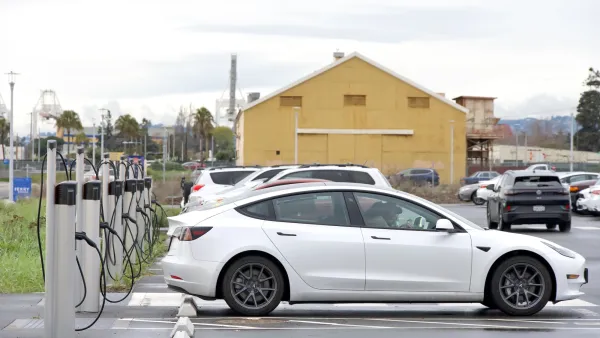
Judge Rules Trump Administration Can’t Withhold EV Charger Funds
A federal judge ordered the Trump administration to release withheld funds and approvals for state EV charging plans.
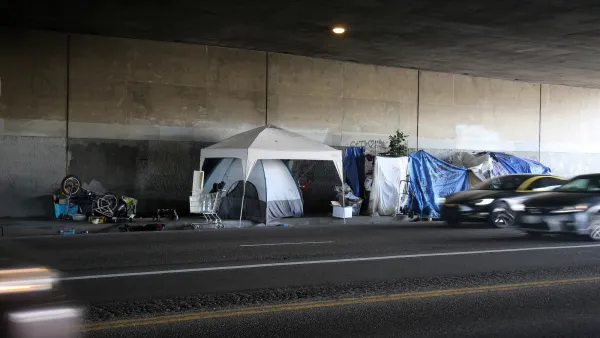
New HUD Guidelines for Point-in-time Survey “Assure an Undercount” of Unhoused Americans
The count, the nation’s most comprehensive survey of homeless residents, excludes some populations, including people incarcerated at the time or living in housing-insecure conditions.

In Some Small Towns, Childcare Centers are Becoming Engines of Economic Development
City-supported ‘multiplex’ childcare centers in commercial spaces and satellite micro-centers in rural areas are creating opportunities for small businesses and offering more flexible, accessible childcare.
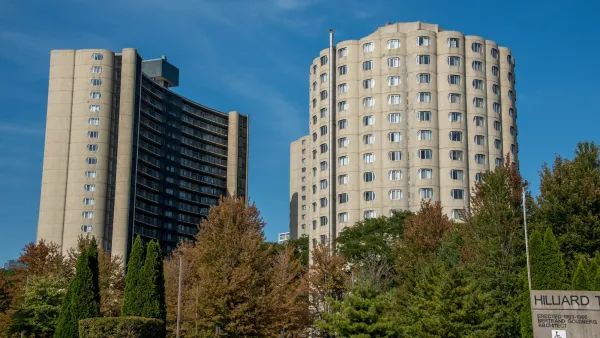
HUD Threatens Sanctions for Housing Authorities That Don’t Verify Resident Immigration Status
The Trump administration continues its crackdown on undocumented immigrants, claiming it is “rooting out abuse of taxpayer-funded resources.”
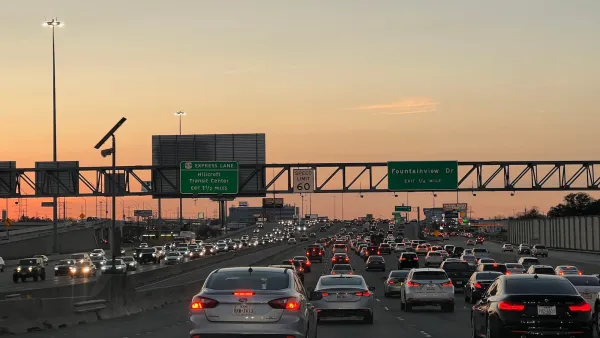
US Traffic Patterns are Shifting, but Car-centric Development Persists
Los Angeles, Honolulu, and San Francisco ranked among the nation’s most congested cities, while New York reduced traffic and increased transit speed and ridership thanks to its congestion pricing program.
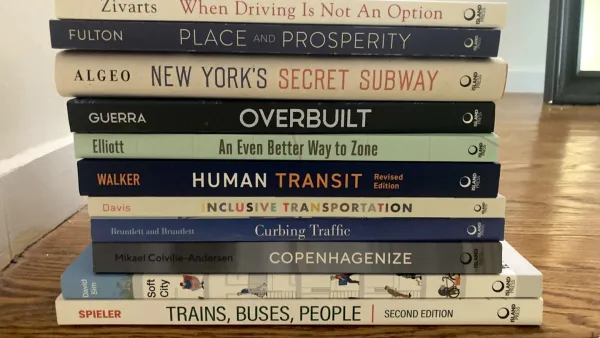
Publishing for Planners: A New Era for Island Press
As the legendary legacy publisher transitions into a new life phase, publisher Heather Boyer and senior editor Stacy Eisenstark reflect on the past and the future of creating books for planners.

Planning Trends for 2026: States and Cities Take Initiative, Passenger Rail Gains Steam, and the Costs of AI Revealed
With federal funding for everything from transportation projects to housing assistance under threat, city and state governments are poised to take a stronger role in building strong, resilient local economies and public services.

US May Have 100 Times More Blackouts by 2030
Rising demand driven by AI data centers and uncertain energy sources could lead to a surge in power outages by the end of the decade.

Commentary: Fewer Bus Stops Can Mean Better Service
Effective bus stop balancing can make buses faster while preserving accessibility.
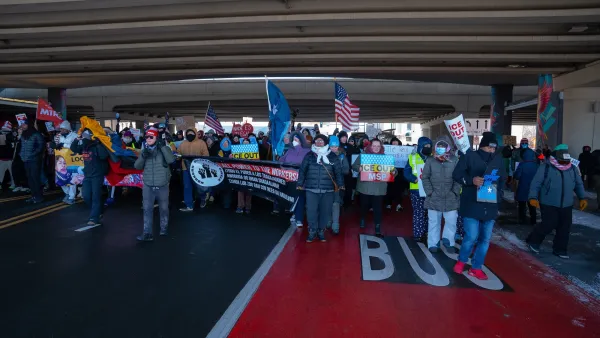
USDOT Ends Effort to Tie Transportation Funding to ICE Cooperation
The department ended its effort to challenge a court ruling barring it from withholding federal grants over immigration enforcement.

Housing Justice Orgs in 9 States Join Forces
Bridge to Power aims to boost partner organizations’ capacity, information exchange, and agency.
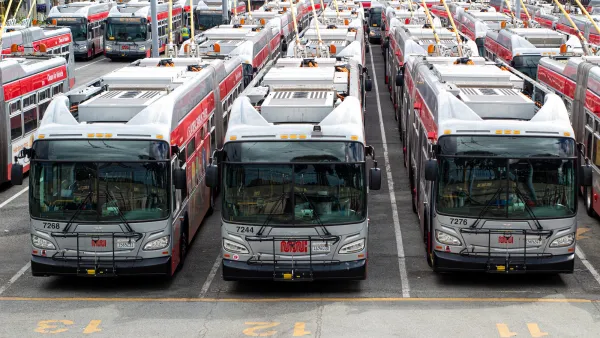
Report: USA Must Triple its Transit Vehicles to Offer ‘World-class’ Transit
To achieve the level of transit access that most global cities enjoy, the United States would need trillions more in funding… and a LOT of buses.
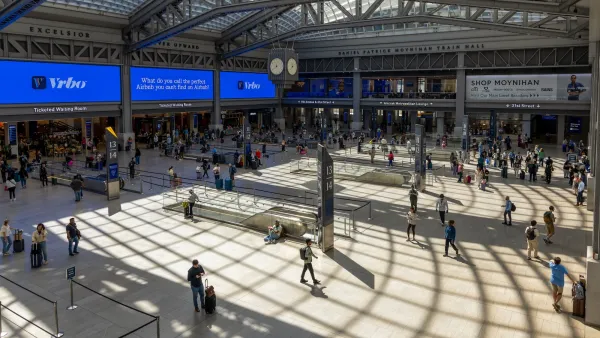
Why the First 3 Months of 2026 Will Decide the Future of US Passenger Rail
Three events likely to occur in the first 90 days of the year will have major impacts on U.S. train travel.

The United States Exits Global Climate Change Network
Mayors from across the U.S. expressed dissatisfaction with the federal government’s decision to withdraw from the United Nations Framework Convention on Climate Change.

EPA to Stop Considering the Cost of Lives Saved in Setting Pollution Limits
The agency will no longer quantify the monetary gains from health benefits from curbing air pollution.

Study Links Medical Debt to 44% Higher Risk of Housing Instability
People with medical debts are more likely to have trouble paying rent or face eviction.

Historically Affordable West Virginia, Minnesota Saw Highest Jumps in Rents
The states typically known for their affordability saw some of the biggest increases in housing costs in the last year.

HUD Plans to Kill Key Fair Housing Rule
The department issued a proposal to eliminate the disparate impact rule, a cornerstone of some discrimination rulings under the Fair Housing Act.
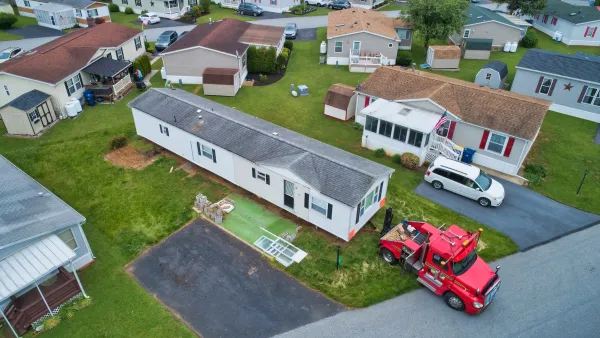
Affordable HOMES Act Removes DOE Oversight From Manufactured Housing, Claims it Will Drop Prices by $10K
A bill that passed the U.S. House would put regulations for manufactured housing, including energy standards, solely under the Department of Housing and Urban Development.

FREE Course: Walkable City 1: Why Walkability?
After describing his path towards focusing on walkability as the essence of good planning, Jeff Speck marches through his five principal reasons for making more walkable places.
Reinventing Malls: Planning Alchemy—Turning Gray Fields Into Gold
The course focuses on the opportunities and imperatives that shape reinvention of mall sites.

One Hundred Miles
County of Mendocino
planning NEXT
The Architects Foundation
University of Cincinnati Online
Montrose County
Northern Illinois Transit Authority (NITA)
The Pocatello Development Authority









