United States

U.S. Architecture Firms With the Most Revenue
Architectural Record has released its annual ranking of U.S. architecture firms by revenue.
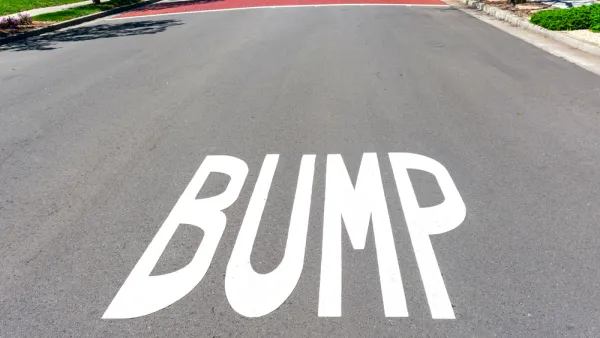
Cities Call Out States for Blocking Traffic Safety Progress
The National League of Cities went to Congress and called on states to stop focusing on vehicle throughput and start prioritizing traffic safety.

Say Goodbye to the ‘Millennial Lifestyle Subsidy’
The era of cheap, on-demand services is coming to a close as unprofitable startups face the realities of capitalism.

The Return of Rooming Houses
Popular in the early 20th century, the rooming house fell out of favor, with the type now banned in many cities. With no end to the housing crisis in sight, cities are rethinking their regulation of this affordable housing option.

Amazon’s Growing Real Estate Empire
The e-commerce giant has been quietly buying up massive swaths of property as the company works to reduce shipping times as dramatically as possible.

Strong Towns: For Better Cities, End Parking Subsidies
The parking mandates and subsidies prevalent in American cities stifle development and remove agency from property owners and residents.

Micromobility Growing in Smaller Cities
Shared mobility services are proliferating in small towns and cities, despite the regulatory hiccups operators have been experiencing in larger markets.

Why So Many Pedestrians Die on Freeways
Close to one fifth of pedestrian deaths in the United States happen on controlled-access freeways, suggesting a critical need for safety improvements on major roads.
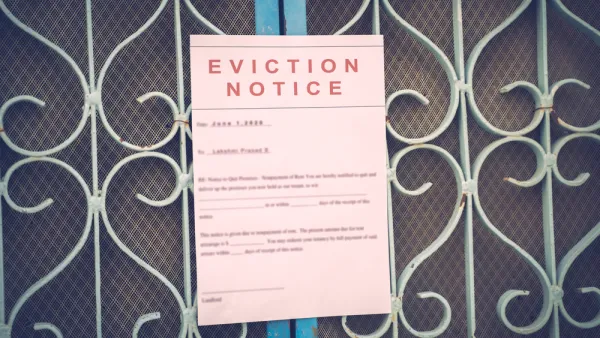
Study: Tenant Distance From Court Affects Eviction Risk
Renters with longer commutes to eviction courts, often located downtown, face higher eviction rates.
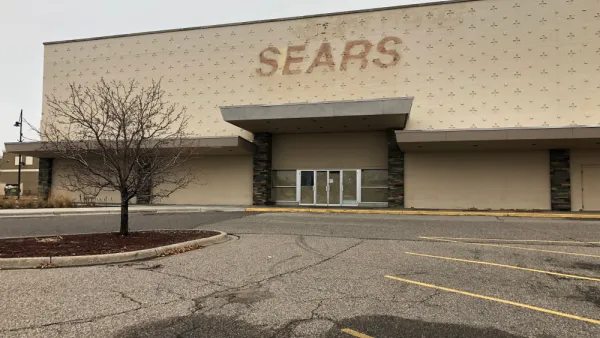
A Second Life for the American Mall
‘Dead’ suburban malls, with their existing infrastructure, offer a variety of opportunities for redevelopment into everything from housing to parks.
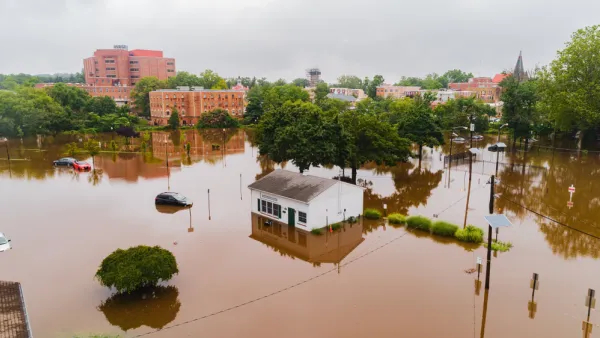
Are Urban Planners Staying Silent on Climate Gentrification?
Holmdel, New Jersey, moved its affordable housing to flood-prone land, raising a question about planners' ethical obligations to speak up against such moves.
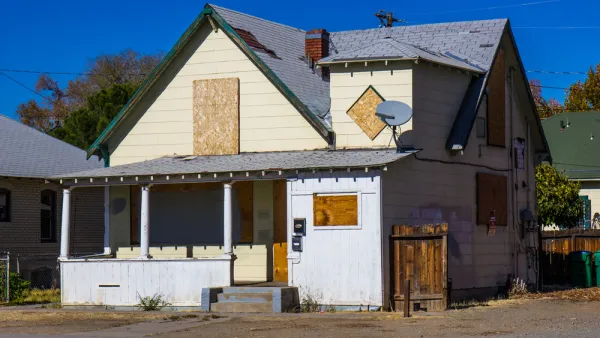
Vacant Homes Wither Under Flawed Tax System
Inefficiencies in Baltimore's tax sale system and predatory investment practices are keeping homes vacant for years. But advocates could soon finally see meaningful change.

Twitter for Planners in 2022
Twitter is changing, not in the way Elon Musk wants it to, but it’s still perhaps the most useful social media platform for planners looking for education and engagement.

Getting Medicaid to Pay for Pest Control
For children who have asthma, pests like cockroaches and mice can trigger allergic reactions and lead to recurring and expensive hospital visits. Could insurers save money by investing in housing-based improvements like pest management services?
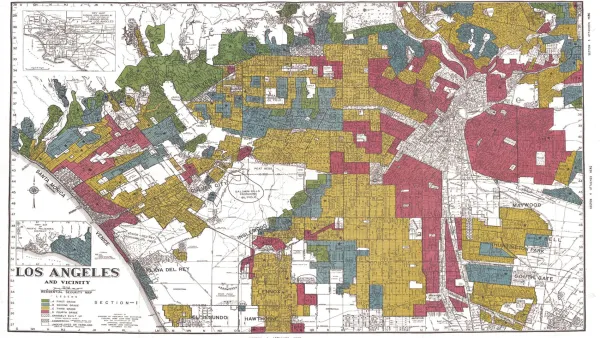
Restorative Housing Policy: Can We Heal the Wounds of Redlining and Urban Renewal?
Our fair housing laws enshrine an approach that prohibits us from explicitly referring to race, even in programs intended to undo the harm caused by racism. Now restorative housing policy is attempting to directly confront this history.

Major U.S. Metro Areas in a Transition Period, According to Census Analysis
The nation's growth slowed from 2010 and 2020, according to 2020 Census data, and demographers are still trying to figure out what population trends mean for the future of country's major metropolitan areas.
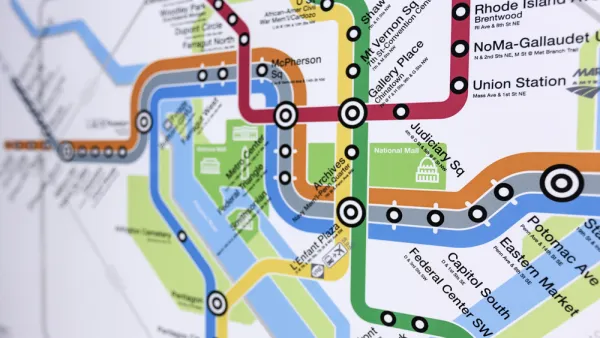
Federal Program To Award $450 Million to University Transportation Centers
The program will fund research on mobility, congestion, safety, and other crucial transportation issues.

The Housing Crisis in America’s Mobile Home Parks
With demand surging and rent costs rising sharply, mobile home parks are becoming unaffordable for their most vulnerable residents.

Study: Cutting U.S. Emissions by 50 Percent This Decade Is Possible
With coordinated effort at the local, state, and federal levels, the United States could meet its goal of cutting greenhouse gas emissions in half by 2030.

Let’s End Traffic Stops
The technology to make traffic enforcement obsolete is becoming available. But in the U.S. willing to use it?

FREE Course: Walkable City 1: Why Walkability?
After describing his path towards focusing on walkability as the essence of good planning, Jeff Speck marches through his five principal reasons for making more walkable places.
Reinventing Malls: Planning Alchemy—Turning Gray Fields Into Gold
The course focuses on the opportunities and imperatives that shape reinvention of mall sites.

One Hundred Miles
County of Mendocino
planning NEXT
The Architects Foundation
University of Cincinnati Online
Montrose County
Northern Illinois Transit Authority (NITA)
The Pocatello Development Authority









