United States
How ‘Rental Deserts’ Perpetuate Inequity
Close to one-third of American neighborhoods have very few housing options for renter households, who tend to be disproportionately people of color and low-income families.

Could Inflation Spur an Urban Rebound?
Inflation is hitting rural areas particularly hard. One expert sees the possibility of rural residents reconsidering cities as a place to avoid higher costs associated with rural mobility and to make more money.

The Century-Old Call for Open Streets
Historical reports from the Regional Plan Association show that car-free streets is an idea almost as old as automobiles themselves.

Friday Funny: Pete Buttigieg Makes New Work Friends
The Onion takes a gleeful jab at Transportation Secretary Pete Buttigieg.
Marrying Urban Identity and Economic Prosperity
A new book posits that truly successful communities have a strong economic base and a firmly rooted sense of place.

Offshore Wind Gaining Support in More States
States traditionally resistant to renewable energy are passing legislation to ease the way for offshore wind production as lawmakers realize the potential economic benefits to their states.

Infrastructure Must Catch Up With Climate Change
The worsening effects of extreme weather events are accelerating the deterioration of critical infrastructure, leaving communities more vulnerable.

$7.3 Billion Federal Resilience Funding Program Announced
The Biden administration announced guidance for $7.3 billion in funding under the PROTECT Formula Program at the end of July.
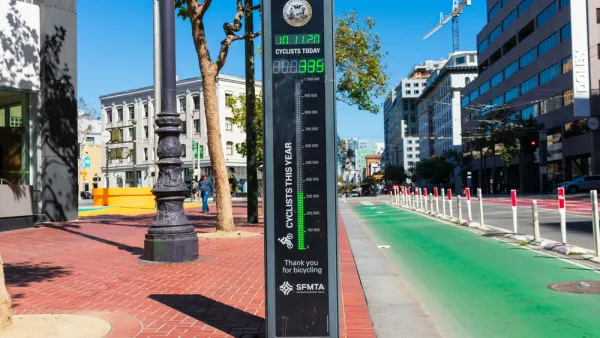
Why Counting Bikes Matters
While many American cities rely on vehicle counts to make transportation planning decisions, most haven’t prioritized counting bikes, leading to underinvestment in bike infrastructure.

Urbanist TikTok Takes Aim at the Suburbs
Planners are using the popular video platform to explain how car dependence and single-family zoning deepen suburban isolation and affect affordability and sustainability.
Surveying the Rising Trend of Office-to-Residential Conversions
With office vacancies climbing and a stubborn supply crunch driving up the cost of housing, some downtowns have emerged at the forefront of a new wave of adaptive reuse.

The Local Causes of Inflation
Although it is widely seen as a national issue, decisions made at the local level often have a stronger impact on inflation than federal policies.
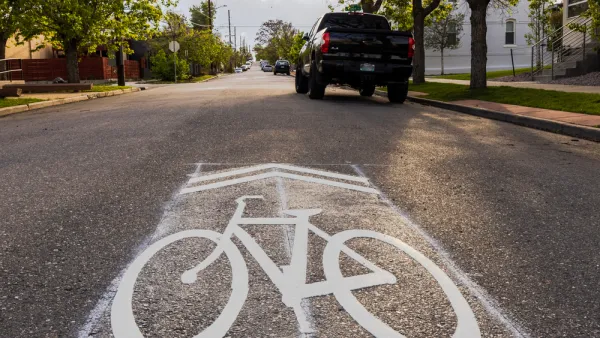
How Sharrows Became Cycling’s Most Hated Symbol
Originally designed as a low-cost way to encourage safer road sharing between bikes and cars, the sharrow has become a symbol of the lack of commitment to protected bike infrastructure in many cities.
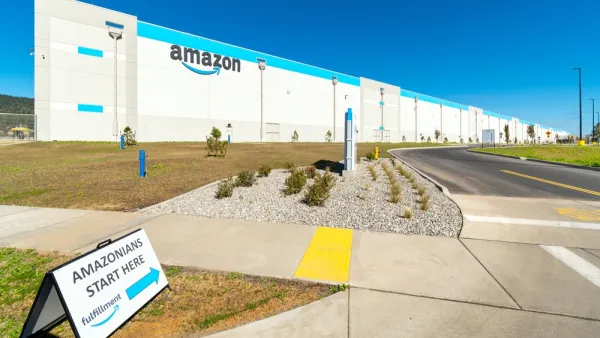
Amazon Plans for More Massive Warehouses
The company is building its biggest-ever distribution centers in New York, Colorado, and California.
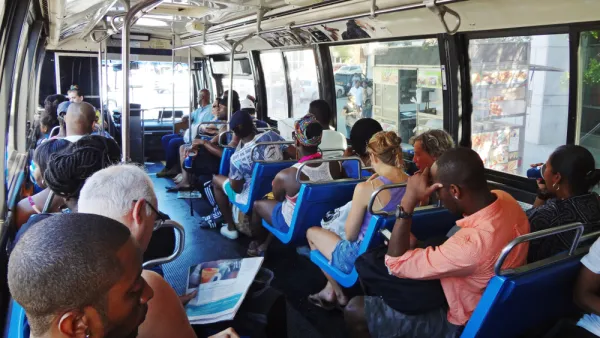
The Benefits of Fare Capping
Fare capping—putting a ceiling on the amount a transit passenger pays in a day or a month regardless of the number of trips—is becoming a popular policy option for transit agencies seeking to increase equity and bring back riders.

'Inflation Reduction Act' a Mixed Bag for Climate Action, Planning Innovation
A roundup of all the emerging news and commentary regarding the Inflation Reduction Act, which last week broke through a Congressional roadblock to resuscitate some, but not nearly all, of the Build Back Better legislation that failed in 2021.
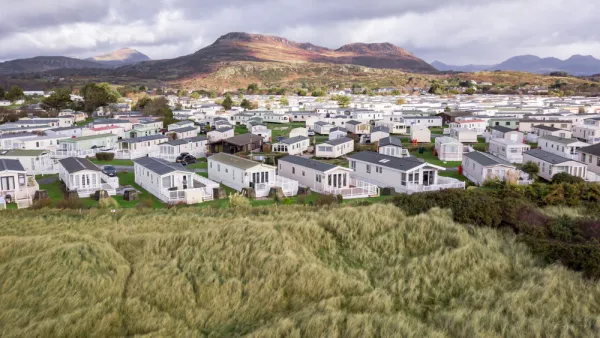
Destigmatizing Manufactured Housing
It’s time to rethink the negative stereotypes and acknowledge the key role mobile home parks can play in solving the affordable housing crisis.
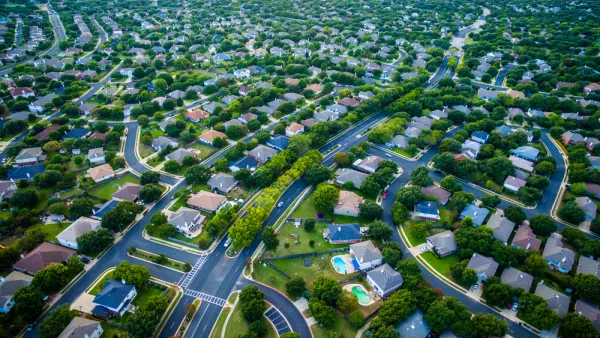
Reimagining the Suburbs
With more people moving away from central cities, we have the chance to avoid past mistakes and redesign the American suburb to be less car-centric and more diverse.
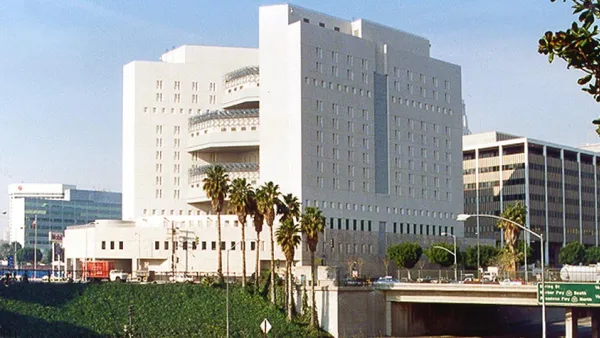
Mike Davis on Life, Politics, and Mortality
The celebrated City of Quartz author speaks with the Los Angeles Times about activism, climate change, and his decision to stop cancer treatment.

Families With Young Children Left Cities At Higher Rates During Pandemic
New Census data reveal that families with children under five led the migration out of major U.S. cities between 2019 and 2021.

FREE Course: Walkable City 1: Why Walkability?
After describing his path towards focusing on walkability as the essence of good planning, Jeff Speck marches through his five principal reasons for making more walkable places.
Reinventing Malls: Planning Alchemy—Turning Gray Fields Into Gold
The course focuses on the opportunities and imperatives that shape reinvention of mall sites.

One Hundred Miles
County of Mendocino
planning NEXT
The Architects Foundation
University of Cincinnati Online
Montrose County
Northern Illinois Transit Authority (NITA)
The Pocatello Development Authority









