The program will fund research on mobility, congestion, safety, and other crucial transportation issues.


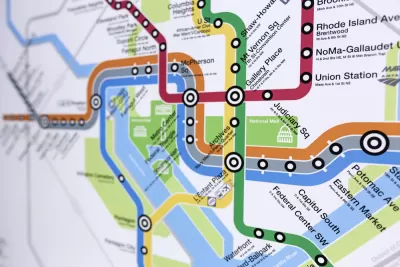
A press release from the U.S. Department of Transportation (USDOT) outlines a program that will provide $450 million in grant funding to up to 35 University Transportation Centers (UTC).
Dr. Robert C. Hampshire, Deputy Assistant Secretary for Research and Technology, said “These investments will lead to cutting edge transportation research, train a diverse next generation of transportation professionals, and ultimately help the American people get to where they need to go much more quickly and affordably.”
The program, open to U.S. non-profit educational institutions, includes several focus areas:
- Improving Mobility of People and Goods;
- Reducing Congestion;
- Promoting Safety;
- Improving the Durability and Extending the Life of Transportation Infrastructure,
- Preserving the Environment;
- Preserving the Existing Transportation System; and,
- Reducing Transportation Cybersecurity Risks.
According to the press release, “Through this Notice of Funding Opportunity (NOFO), DOT intends to select up to five National UTCs, 10 Regional UTCs, and up to 20 Tier 1 UTCs, each of which will conduct a combination of research, education, workforce development, and technology transfer and implementation activities.”
Read the full story: President Biden and U.S. Department of Transportation Announce $450 Million to Fund up to 35 University Transportation Centers
Transportation Research Centers Lose Key Federal Funding
The federal University Transportation Center program funds critical transportation research and innovation at 35 consortia of colleges and universities.

Trump Administration Takes Aim at Transportation Research
Researchers warn of a “chilling environment” as studies examining road safety and other topics are killed off and layoffs hit federal agencies.
Court unfreezes $20B in federal climate grants
A U.S. Court of Appeals ruled that the Trump administration potentially violated the Inflation Reduction Act by attempting to claw back grants awarded under the Greenhouse Gas Reduction Fund program.

Planetizen Federal Action Tracker
A weekly monitor of how Trump’s orders and actions are impacting planners and planning in America.

California plans to bury El Niño’s downpour
If the state plays its cards right, it may be able to store a billion acre-feet of El Niño’s water in aquifers.

Desperate measures: Advocates weigh draining Lake Powell to fill Colorado River
Draining the reservoir could reduce evaporation losses by a couple hundred thousand acre-feet.

Los Angeles just elected an urban planner as its mayor
Transportation analysts are optimistic that Raman will be more aggressive in addressing transit issues than Bass.

Mamdani’s pied-à-terre tax survives legal challenge
A panel of judges found that the plaintiffs failed to demonstrate injury as a result of New York City's implementation of the tax.

Eastern Nebraska is running out of electricity
Data centers and electrification are straining eastern Nebraska’s grid, throttling economic development.

FREE Course: Walkable City 1: Why Walkability?
After describing his path towards focusing on walkability as the essence of good planning, Jeff Speck marches through his five principal reasons for making more walkable places.
Reinventing Malls: Planning Alchemy—Turning Gray Fields Into Gold
The course focuses on the opportunities and imperatives that shape reinvention of mall sites.

City of Rosemead
Rutgers University, Edward J. Bloustein School of Planning and Public Policy
One Hundred Miles
University of Michigan School for Environment and Sustainability (SEAS)
Hunter College, City University of New York (CUNY)
The Architects Foundation
City of Cambridge
Montrose County
The Pocatello Development Authority